Warning: Attempt to read property "PageCache" on null in /home/mghdistributors/public_html/wp-content/plugins/nitropack/nitropack-sdk/NitroPack/SDK/NitroPack.php on line 164

Warning: Attempt to read property "SupportedCookies" on null in /home/mghdistributors/public_html/wp-content/plugins/nitropack/nitropack-sdk/NitroPack/SDK/NitroPack.php on line 164

Warning: Attempt to read property "AjaxURLs" on null in /home/mghdistributors/public_html/wp-content/plugins/nitropack/nitropack-sdk/NitroPack/SDK/NitroPack.php on line 952

Warning: Attempt to read property "Status" on null in /home/mghdistributors/public_html/wp-content/plugins/nitropack/nitropack-sdk/NitroPack/SDK/NitroPack.php on line 952

Warning: Attempt to read property "AjaxURLs" on null in /home/mghdistributors/public_html/wp-content/plugins/nitropack/nitropack-sdk/NitroPack/SDK/NitroPack.php on line 968

Warning: Attempt to read property "Status" on null in /home/mghdistributors/public_html/wp-content/plugins/nitropack/nitropack-sdk/NitroPack/SDK/NitroPack.php on line 968

Warning: Attempt to read property "PageCache" on null in /home/mghdistributors/public_html/wp-content/plugins/nitropack/nitropack-sdk/NitroPack/SDK/NitroPack.php on line 167

Warning: Attempt to read property "Geot" on null in /home/mghdistributors/public_html/wp-content/plugins/nitropack/nitropack-sdk/NitroPack/SDK/NitroPack.php on line 167

Warning: Attempt to read property "Status" on null in /home/mghdistributors/public_html/wp-content/plugins/nitropack/nitropack-sdk/NitroPack/SDK/NitroPack.php on line 167

Warning: Attempt to read property "AjaxURLs" on null in /home/mghdistributors/public_html/wp-content/plugins/nitropack/nitropack-sdk/NitroPack/SDK/NitroPack.php on line 952

Warning: Attempt to read property "Status" on null in /home/mghdistributors/public_html/wp-content/plugins/nitropack/nitropack-sdk/NitroPack/SDK/NitroPack.php on line 952

Warning: Attempt to read property "AjaxURLs" on null in /home/mghdistributors/public_html/wp-content/plugins/nitropack/nitropack-sdk/NitroPack/SDK/NitroPack.php on line 968

Warning: Attempt to read property "Status" on null in /home/mghdistributors/public_html/wp-content/plugins/nitropack/nitropack-sdk/NitroPack/SDK/NitroPack.php on line 968

Warning: Attempt to read property "LanguageVary" on null in /home/mghdistributors/public_html/wp-content/plugins/nitropack/nitropack-sdk/NitroPack/SDK/NitroPack.php on line 182

Warning: Attempt to read property "Status" on null in /home/mghdistributors/public_html/wp-content/plugins/nitropack/nitropack-sdk/NitroPack/SDK/NitroPack.php on line 182

Warning: Attempt to read property "StatefulCache" on null in /home/mghdistributors/public_html/wp-content/plugins/nitropack/nitropack-sdk/NitroPack/SDK/NitroPack.php on line 986

Warning: Attempt to read property "Status" on null in /home/mghdistributors/public_html/wp-content/plugins/nitropack/nitropack-sdk/NitroPack/SDK/NitroPack.php on line 986

Warning: Attempt to read property "EnabledURLs" on null in /home/mghdistributors/public_html/wp-content/plugins/nitropack/nitropack-sdk/NitroPack/SDK/NitroPack.php on line 817

Warning: Attempt to read property "Status" on null in /home/mghdistributors/public_html/wp-content/plugins/nitropack/nitropack-sdk/NitroPack/SDK/NitroPack.php on line 817

Warning: Attempt to read property "DisabledURLs" on null in /home/mghdistributors/public_html/wp-content/plugins/nitropack/nitropack-sdk/NitroPack/SDK/NitroPack.php on line 829

Warning: Attempt to read property "Status" on null in /home/mghdistributors/public_html/wp-content/plugins/nitropack/nitropack-sdk/NitroPack/SDK/NitroPack.php on line 829

Warning: Attempt to read property "StatefulCache" on null in /home/mghdistributors/public_html/wp-content/plugins/nitropack/nitropack-sdk/NitroPack/SDK/NitroPack.php on line 986

Warning: Attempt to read property "Status" on null in /home/mghdistributors/public_html/wp-content/plugins/nitropack/nitropack-sdk/NitroPack/SDK/NitroPack.php on line 986

Warning: Attempt to read property "AjaxURLs" on null in /home/mghdistributors/public_html/wp-content/plugins/nitropack/nitropack-sdk/NitroPack/SDK/NitroPack.php on line 952

Warning: Attempt to read property "Status" on null in /home/mghdistributors/public_html/wp-content/plugins/nitropack/nitropack-sdk/NitroPack/SDK/NitroPack.php on line 952

Warning: Attempt to read property "AjaxURLs" on null in /home/mghdistributors/public_html/wp-content/plugins/nitropack/nitropack-sdk/NitroPack/SDK/NitroPack.php on line 968

Warning: Attempt to read property "Status" on null in /home/mghdistributors/public_html/wp-content/plugins/nitropack/nitropack-sdk/NitroPack/SDK/NitroPack.php on line 968

Warning: Attempt to read property "TestImpact" on null in /home/mghdistributors/public_html/wp-content/plugins/nitropack/nitropack-sdk/NitroPack/SDK/NitroPack.php on line 884

Warning: Attempt to read property "Status" on null in /home/mghdistributors/public_html/wp-content/plugins/nitropack/nitropack-sdk/NitroPack/SDK/NitroPack.php on line 884

Warning: Attempt to read property "EnabledURLs" on null in /home/mghdistributors/public_html/wp-content/plugins/nitropack/nitropack-sdk/NitroPack/SDK/NitroPack.php on line 817

Warning: Attempt to read property "Status" on null in /home/mghdistributors/public_html/wp-content/plugins/nitropack/nitropack-sdk/NitroPack/SDK/NitroPack.php on line 817

Warning: Attempt to read property "DisabledURLs" on null in /home/mghdistributors/public_html/wp-content/plugins/nitropack/nitropack-sdk/NitroPack/SDK/NitroPack.php on line 829

Warning: Attempt to read property "Status" on null in /home/mghdistributors/public_html/wp-content/plugins/nitropack/nitropack-sdk/NitroPack/SDK/NitroPack.php on line 829

Warning: Attempt to read property "EnabledURLs" on null in /home/mghdistributors/public_html/wp-content/plugins/nitropack/nitropack-sdk/NitroPack/SDK/NitroPack.php on line 817

Warning: Attempt to read property "Status" on null in /home/mghdistributors/public_html/wp-content/plugins/nitropack/nitropack-sdk/NitroPack/SDK/NitroPack.php on line 817

Warning: Attempt to read property "DisabledURLs" on null in /home/mghdistributors/public_html/wp-content/plugins/nitropack/nitropack-sdk/NitroPack/SDK/NitroPack.php on line 829

Warning: Attempt to read property "Status" on null in /home/mghdistributors/public_html/wp-content/plugins/nitropack/nitropack-sdk/NitroPack/SDK/NitroPack.php on line 829

Warning: Attempt to read property "AjaxURLs" on null in /home/mghdistributors/public_html/wp-content/plugins/nitropack/nitropack-sdk/NitroPack/SDK/NitroPack.php on line 952

Warning: Attempt to read property "Status" on null in /home/mghdistributors/public_html/wp-content/plugins/nitropack/nitropack-sdk/NitroPack/SDK/NitroPack.php on line 952

Warning: Attempt to read property "AjaxURLs" on null in /home/mghdistributors/public_html/wp-content/plugins/nitropack/nitropack-sdk/NitroPack/SDK/NitroPack.php on line 968

Warning: Attempt to read property "Status" on null in /home/mghdistributors/public_html/wp-content/plugins/nitropack/nitropack-sdk/NitroPack/SDK/NitroPack.php on line 968

Warning: Attempt to read property "TestImpact" on null in /home/mghdistributors/public_html/wp-content/plugins/nitropack/nitropack-sdk/NitroPack/SDK/NitroPack.php on line 884

Warning: Attempt to read property "Status" on null in /home/mghdistributors/public_html/wp-content/plugins/nitropack/nitropack-sdk/NitroPack/SDK/NitroPack.php on line 884

Warning: Attempt to read property "EnabledURLs" on null in /home/mghdistributors/public_html/wp-content/plugins/nitropack/nitropack-sdk/NitroPack/SDK/NitroPack.php on line 817

Warning: Attempt to read property "Status" on null in /home/mghdistributors/public_html/wp-content/plugins/nitropack/nitropack-sdk/NitroPack/SDK/NitroPack.php on line 817

Warning: Attempt to read property "DisabledURLs" on null in /home/mghdistributors/public_html/wp-content/plugins/nitropack/nitropack-sdk/NitroPack/SDK/NitroPack.php on line 829

Warning: Attempt to read property "Status" on null in /home/mghdistributors/public_html/wp-content/plugins/nitropack/nitropack-sdk/NitroPack/SDK/NitroPack.php on line 829

Warning: Attempt to read property "AjaxURLs" on null in /home/mghdistributors/public_html/wp-content/plugins/nitropack/nitropack-sdk/NitroPack/SDK/NitroPack.php on line 952

Warning: Attempt to read property "Status" on null in /home/mghdistributors/public_html/wp-content/plugins/nitropack/nitropack-sdk/NitroPack/SDK/NitroPack.php on line 952

Warning: Attempt to read property "AjaxURLs" on null in /home/mghdistributors/public_html/wp-content/plugins/nitropack/nitropack-sdk/NitroPack/SDK/NitroPack.php on line 968

Warning: Attempt to read property "Status" on null in /home/mghdistributors/public_html/wp-content/plugins/nitropack/nitropack-sdk/NitroPack/SDK/NitroPack.php on line 968

Warning: Attempt to read property "TestImpact" on null in /home/mghdistributors/public_html/wp-content/plugins/nitropack/nitropack-sdk/NitroPack/SDK/NitroPack.php on line 884

Warning: Attempt to read property "Status" on null in /home/mghdistributors/public_html/wp-content/plugins/nitropack/nitropack-sdk/NitroPack/SDK/NitroPack.php on line 884

Notice: Function _load_textdomain_just_in_time was called incorrectly. Translation loading for the acf domain was triggered too early. This is usually an indicator for some code in the plugin or theme running too early. Translations should be loaded at the init action or later. Please see Debugging in WordPress for more information. (This message was added in version 6.7.0.) in /home/mghdistributors/public_html/wp-includes/functions.php on line 6121

Warning: Cannot modify header information - headers already sent by (output started at /home/mghdistributors/public_html/wp-content/plugins/nitropack/nitropack-sdk/NitroPack/SDK/NitroPack.php:164) in /home/mghdistributors/public_html/wp-content/plugins/nitropack/functions.php on line 4106

Warning: Attempt to read property "StatefulCache" on null in /home/mghdistributors/public_html/wp-content/plugins/nitropack/nitropack-sdk/NitroPack/SDK/NitroPack.php on line 986

Warning: Attempt to read property "Status" on null in /home/mghdistributors/public_html/wp-content/plugins/nitropack/nitropack-sdk/NitroPack/SDK/NitroPack.php on line 986

Warning: Attempt to read property "EnabledURLs" on null in /home/mghdistributors/public_html/wp-content/plugins/nitropack/nitropack-sdk/NitroPack/SDK/NitroPack.php on line 817

Warning: Attempt to read property "Status" on null in /home/mghdistributors/public_html/wp-content/plugins/nitropack/nitropack-sdk/NitroPack/SDK/NitroPack.php on line 817

Warning: Attempt to read property "DisabledURLs" on null in /home/mghdistributors/public_html/wp-content/plugins/nitropack/nitropack-sdk/NitroPack/SDK/NitroPack.php on line 829

Warning: Attempt to read property "Status" on null in /home/mghdistributors/public_html/wp-content/plugins/nitropack/nitropack-sdk/NitroPack/SDK/NitroPack.php on line 829

Warning: Attempt to read property "StatefulCache" on null in /home/mghdistributors/public_html/wp-content/plugins/nitropack/nitropack-sdk/NitroPack/SDK/NitroPack.php on line 986

Warning: Attempt to read property "Status" on null in /home/mghdistributors/public_html/wp-content/plugins/nitropack/nitropack-sdk/NitroPack/SDK/NitroPack.php on line 986

Warning: Attempt to read property "AjaxURLs" on null in /home/mghdistributors/public_html/wp-content/plugins/nitropack/nitropack-sdk/NitroPack/SDK/NitroPack.php on line 952

Warning: Attempt to read property "Status" on null in /home/mghdistributors/public_html/wp-content/plugins/nitropack/nitropack-sdk/NitroPack/SDK/NitroPack.php on line 952

Warning: Attempt to read property "AjaxURLs" on null in /home/mghdistributors/public_html/wp-content/plugins/nitropack/nitropack-sdk/NitroPack/SDK/NitroPack.php on line 968

Warning: Attempt to read property "Status" on null in /home/mghdistributors/public_html/wp-content/plugins/nitropack/nitropack-sdk/NitroPack/SDK/NitroPack.php on line 968

Warning: Attempt to read property "TestImpact" on null in /home/mghdistributors/public_html/wp-content/plugins/nitropack/nitropack-sdk/NitroPack/SDK/NitroPack.php on line 884

Warning: Attempt to read property "Status" on null in /home/mghdistributors/public_html/wp-content/plugins/nitropack/nitropack-sdk/NitroPack/SDK/NitroPack.php on line 884

Warning: Attempt to read property "EnabledURLs" on null in /home/mghdistributors/public_html/wp-content/plugins/nitropack/nitropack-sdk/NitroPack/SDK/NitroPack.php on line 817

Warning: Attempt to read property "Status" on null in /home/mghdistributors/public_html/wp-content/plugins/nitropack/nitropack-sdk/NitroPack/SDK/NitroPack.php on line 817

Warning: Attempt to read property "DisabledURLs" on null in /home/mghdistributors/public_html/wp-content/plugins/nitropack/nitropack-sdk/NitroPack/SDK/NitroPack.php on line 829

Warning: Attempt to read property "Status" on null in /home/mghdistributors/public_html/wp-content/plugins/nitropack/nitropack-sdk/NitroPack/SDK/NitroPack.php on line 829

Warning: Attempt to read property "EnabledURLs" on null in /home/mghdistributors/public_html/wp-content/plugins/nitropack/nitropack-sdk/NitroPack/SDK/NitroPack.php on line 817

Warning: Attempt to read property "Status" on null in /home/mghdistributors/public_html/wp-content/plugins/nitropack/nitropack-sdk/NitroPack/SDK/NitroPack.php on line 817

Warning: Attempt to read property "DisabledURLs" on null in /home/mghdistributors/public_html/wp-content/plugins/nitropack/nitropack-sdk/NitroPack/SDK/NitroPack.php on line 829

Warning: Attempt to read property "Status" on null in /home/mghdistributors/public_html/wp-content/plugins/nitropack/nitropack-sdk/NitroPack/SDK/NitroPack.php on line 829

Warning: Attempt to read property "AjaxURLs" on null in /home/mghdistributors/public_html/wp-content/plugins/nitropack/nitropack-sdk/NitroPack/SDK/NitroPack.php on line 952

Warning: Attempt to read property "Status" on null in /home/mghdistributors/public_html/wp-content/plugins/nitropack/nitropack-sdk/NitroPack/SDK/NitroPack.php on line 952

Warning: Attempt to read property "AjaxURLs" on null in /home/mghdistributors/public_html/wp-content/plugins/nitropack/nitropack-sdk/NitroPack/SDK/NitroPack.php on line 968

Warning: Attempt to read property "Status" on null in /home/mghdistributors/public_html/wp-content/plugins/nitropack/nitropack-sdk/NitroPack/SDK/NitroPack.php on line 968

Warning: Attempt to read property "TestImpact" on null in /home/mghdistributors/public_html/wp-content/plugins/nitropack/nitropack-sdk/NitroPack/SDK/NitroPack.php on line 884

Warning: Attempt to read property "Status" on null in /home/mghdistributors/public_html/wp-content/plugins/nitropack/nitropack-sdk/NitroPack/SDK/NitroPack.php on line 884

Warning: Attempt to read property "EnabledURLs" on null in /home/mghdistributors/public_html/wp-content/plugins/nitropack/nitropack-sdk/NitroPack/SDK/NitroPack.php on line 817

Warning: Attempt to read property "Status" on null in /home/mghdistributors/public_html/wp-content/plugins/nitropack/nitropack-sdk/NitroPack/SDK/NitroPack.php on line 817

Warning: Attempt to read property "DisabledURLs" on null in /home/mghdistributors/public_html/wp-content/plugins/nitropack/nitropack-sdk/NitroPack/SDK/NitroPack.php on line 829

Warning: Attempt to read property "Status" on null in /home/mghdistributors/public_html/wp-content/plugins/nitropack/nitropack-sdk/NitroPack/SDK/NitroPack.php on line 829

Warning: Attempt to read property "AjaxURLs" on null in /home/mghdistributors/public_html/wp-content/plugins/nitropack/nitropack-sdk/NitroPack/SDK/NitroPack.php on line 952

Warning: Attempt to read property "Status" on null in /home/mghdistributors/public_html/wp-content/plugins/nitropack/nitropack-sdk/NitroPack/SDK/NitroPack.php on line 952

Warning: Attempt to read property "AjaxURLs" on null in /home/mghdistributors/public_html/wp-content/plugins/nitropack/nitropack-sdk/NitroPack/SDK/NitroPack.php on line 968

Warning: Attempt to read property "Status" on null in /home/mghdistributors/public_html/wp-content/plugins/nitropack/nitropack-sdk/NitroPack/SDK/NitroPack.php on line 968

Warning: Attempt to read property "TestImpact" on null in /home/mghdistributors/public_html/wp-content/plugins/nitropack/nitropack-sdk/NitroPack/SDK/NitroPack.php on line 884

Warning: Attempt to read property "Status" on null in /home/mghdistributors/public_html/wp-content/plugins/nitropack/nitropack-sdk/NitroPack/SDK/NitroPack.php on line 884

Warning: Attempt to read property "PageCache" on null in /home/mghdistributors/public_html/wp-content/plugins/nitropack/functions.php on line 2837

Warning: Attempt to read property "ExpireTime" on null in /home/mghdistributors/public_html/wp-content/plugins/nitropack/functions.php on line 2837

Warning: Attempt to read property "PageCache" on null in /home/mghdistributors/public_html/wp-content/plugins/nitropack/functions.php on line 2837

Warning: Attempt to read property "ExpireTime" on null in /home/mghdistributors/public_html/wp-content/plugins/nitropack/functions.php on line 2837

Warning: Attempt to read property "PageCache" on null in /home/mghdistributors/public_html/wp-content/plugins/nitropack/functions.php on line 2837

Warning: Attempt to read property "ExpireTime" on null in /home/mghdistributors/public_html/wp-content/plugins/nitropack/functions.php on line 2837

Warning: Attempt to read property "PageCache" on null in /home/mghdistributors/public_html/wp-content/plugins/nitropack/functions.php on line 2837

Warning: Attempt to read property "ExpireTime" on null in /home/mghdistributors/public_html/wp-content/plugins/nitropack/functions.php on line 2837

Warning: Attempt to read property "PageCache" on null in /home/mghdistributors/public_html/wp-content/plugins/nitropack/functions.php on line 2837

Warning: Attempt to read property "ExpireTime" on null in /home/mghdistributors/public_html/wp-content/plugins/nitropack/functions.php on line 2837

Warning: Attempt to read property "PageCache" on null in /home/mghdistributors/public_html/wp-content/plugins/nitropack/functions.php on line 2837

Warning: Attempt to read property "ExpireTime" on null in /home/mghdistributors/public_html/wp-content/plugins/nitropack/functions.php on line 2837

Deprecated: Creation of dynamic property Kirki\Field\Repeater::$compiler is deprecated in /home/mghdistributors/public_html/wp-content/plugins/kirki/kirki-packages/compatibility/src/Field.php on line 305

Warning: Cannot modify header information - headers already sent by (output started at /home/mghdistributors/public_html/wp-content/plugins/nitropack/nitropack-sdk/NitroPack/SDK/NitroPack.php:164) in /home/mghdistributors/public_html/wp-content/plugins/nitropack/functions.php on line 4106

Warning: Attempt to read property "StatefulCache" on null in /home/mghdistributors/public_html/wp-content/plugins/nitropack/nitropack-sdk/NitroPack/SDK/NitroPack.php on line 986

Warning: Attempt to read property "Status" on null in /home/mghdistributors/public_html/wp-content/plugins/nitropack/nitropack-sdk/NitroPack/SDK/NitroPack.php on line 986

Warning: Cannot modify header information - headers already sent by (output started at /home/mghdistributors/public_html/wp-content/plugins/nitropack/nitropack-sdk/NitroPack/SDK/NitroPack.php:164) in /home/mghdistributors/public_html/wp-content/plugins/nitropack/functions.php on line 4106

Warning: Cannot modify header information - headers already sent by (output started at /home/mghdistributors/public_html/wp-content/plugins/nitropack/nitropack-sdk/NitroPack/SDK/NitroPack.php:164) in /home/mghdistributors/public_html/wp-content/plugins/nitropack/functions.php on line 4106

Warning: Cannot modify header information - headers already sent by (output started at /home/mghdistributors/public_html/wp-content/plugins/nitropack/nitropack-sdk/NitroPack/SDK/NitroPack.php:164) in /home/mghdistributors/public_html/wp-includes/feed-rss2.php on line 8
Textile Archives - Myanmar Golden Heart https://mghdistributors.com/category/textile/ Tue, 30 Jan 2024 05:35:19 +0000 en-US hourly 1 https://wordpress.org/?v=6.8.2 https://mghdistributors.com/wp-content/uploads/2023/05/cropped-Untitled-design-2023-05-08T171933.320-32x32.png Textile Archives - Myanmar Golden Heart https://mghdistributors.com/category/textile/ 32 32 Unveiling the Top Textile Manufacturing Companies: A Closer Look at the Industry Leaders https://mghdistributors.com/unveiling-the-top-textile-manufacturing-companies-a-closer-look-at-the-industry-leaders/ https://mghdistributors.com/unveiling-the-top-textile-manufacturing-companies-a-closer-look-at-the-industry-leaders/#respond Mon, 08 Jan 2024 06:20:40 +0000 https://mghdistributors.com/?p=20359 Table of Contents Introduction: Welcome to our exclusive journey through the realm of textile manufacturing companies. Join us as we delve into the world of cloth manufacturing giants and get to know the industry leaders that are revolutionizing the way we produce fabrics. From Suntech textile machinery to other prominent textile manufacturers, we’ll take a […]

The post Unveiling the Top Textile Manufacturing Companies: A Closer Look at the Industry Leaders appeared first on Myanmar Golden Heart.

]]>
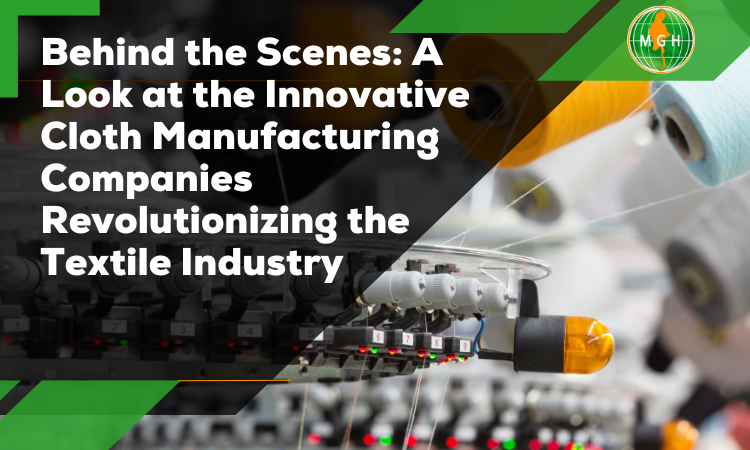
Table of Contents

Introduction:

Welcome to our exclusive journey through the realm of textile manufacturing companies. Join us as we delve into the world of cloth manufacturing giants and get to know the industry leaders that are revolutionizing the way we produce fabrics. From Suntech textile machinery to other prominent textile manufacturers, we’ll take a closer look at the innovators shaping the future of this thriving sector.

Top 10 Textile Manufacturing Companies in the Industry

1. Exploring the Global Powerhouses: Top 10 Textile Manufacturing Companies in the Industry

The Pioneers of Textile Manufacturing

  1. Arvind Limited: With a legacy spanning over eight decades, Arvind Limited has established itself as a leading cloth manufacturing company based in India. Known for its commitment to sustainability, the company boasts state-of-the-art infrastructure and a diverse range of products, encompassing denim, shirting, knits, and more.
  2. Suntech Textile Machinery: As a renowned textile machinery manufacturer, Suntech has carved a niche for itself in the world of textile production. Leveraging cutting-edge technology, Suntech offers a wide range of solutions that enhance efficiency and productivity, contributing to the growth of textile manufacturers worldwide.

Global Giants in Textile Manufacturing

  1. China Textile Machinery: Hailing from the textile manufacturing superpower, China, this company combines technological advancements with traditional expertise to produce top-notch textile machinery. Their commitment to quality and extensive product line has earned them a prominent position in the global textile industry.
  2. Indorama Ventures: As a global leader in polyester production, Indorama Ventures offers a comprehensive range of value-added solutions for diverse applications. Upholding sustainable practices and driving innovation, this company has become a go-to choice for textile manufacturers worldwide.

Industry Titans Setting the Bar Higher

  1. Raymond Limited: A stalwart in the textile realm, Raymond Limited has been delivering excellence for over nine decades. From fabric to apparel, the company offers a range of products under various well-established brands, cementing its position as a global powerhouse.
  2. Welspun India Limited: Known for its strength in home textiles, Welspun India Limited has gained international acclaim for its innovative designs and superior quality products. With a strong focus on research and development, this company continues to push the boundaries of textile manufacturing. 
A Look at the Innovative Cloth Manufacturing Companies Revolutionizing the Textile Industry

2. Behind the Scenes: A Look at the Innovative Cloth Manufacturing Companies Revolutionizing the Textile Industry

The textile industry is an ever-evolving field, driven by innovation and technological advancements. Behind the scenes, there are cloth manufacturing companies at the forefront, revolutionizing the way textiles are produced. In this blog section, we will take a closer look at some of these companies and the cutting-edge technologies they employ.

Suntech textile machinery is one such company that has made significant contributions to the textile manufacturing industry. With a focus on research and development, Suntech has created a range of innovative textile machinery that improves production efficiency while reducing energy consumption. Their state-of-the-art equipment enables textile manufacturers to produce textiles of the highest quality, meeting the demands of today’s discerning consumers.

Another key player in the field of textile manufacturing is Texpro Industries. Recognizing the need for sustainable practices, Texpro has implemented eco-friendly manufacturing processes. They prioritize the use of organic and recycled materials, as well as reducing waste and water consumption. Texpro’s commitment to sustainability not only meets consumer expectations but also contributes to a greener future for the textile industry.

Furthermore, textile manufacturers like Fabrico Inc. are embracing automation and digitalization to enhance productivity. By integrating robotics and artificial intelligence into their production lines, Fabrico Inc. streamlines the manufacturing process, resulting in improved accuracy and speed. Their investment in advanced technologies not only benefits their operations but also ensures consistent and high-quality textiles for their clients.

These innovative cloth manufacturing companies are exemplifying the possibilities of the textile industry. Through their dedication to research and development, sustainability, and technological advancements, they are revolutionizing the way textiles are produced. By staying at the forefront of innovation, these companies are shaping the future of the textile industry, ensuring both quality and sustainability for years to come.

The Success Stories of Textile Manufacturing Giants

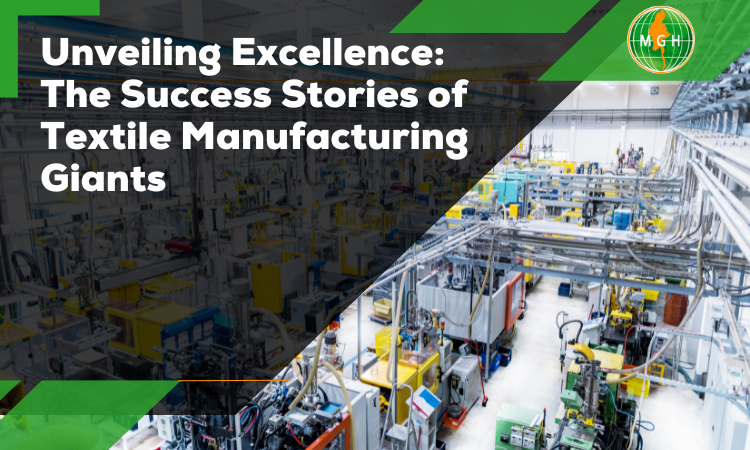
3. Unveiling Excellence: The Success Stories of Textile Manufacturing Giants

The Rise of Cloth Manufacturing Companies

Cloth manufacturing companies have been instrumental in shaping the textile industry. These companies have consistently focused on delivering innovative products while maintaining environmentally sustainable practices. By investing in cutting-edge technology and efficient manufacturing processes, these giants have managed to stay ahead in a highly competitive market.

Suntech Textile Machinery – Revolutionizing Manufacturing

When it comes to textile machinery, Suntech stands out as a world leader. Their dedication to producing high-performance machinery has significantly contributed to the success of textile manufacturers globally. With a strong emphasis on research and development, Suntech continues to revolutionize the industry by introducing state-of-the-art technologies and increasing productivity.

Exemplary Textile Manufacturers

The textile manufacturing industry is adorned with companies that have consistently shown excellence in delivering quality products. These manufacturers have perfected the art of transforming raw materials into textiles of exceptional craftsmanship, meeting the ever-changing demands of the market. Their commitment to maintaining stringent quality standards has earned them a reputation for being reliable and trustworthy partners. 

How Suntech Textile Machinery Is Transforming Textile Manufacturing

4. State-of-the-Art Technologies: How Suntech Textile Machinery Is Transforming Textile Manufacturing

In the fast-paced world of textile manufacturing, companies are constantly seeking ways to improve efficiency, increase productivity, and enhance the quality of their products. With the rapid advancements in technology, textile manufacturers are now able to leverage state-of-the-art machinery to stay ahead of the competition. One company leading the charge in revolutionizing textile manufacturing is Suntech Textile Machinery.

As a renowned cloth manufacturing company, Suntech Textile Machinery has consistently pushed the boundaries of innovation. With their cutting-edge technologies, they have become a trusted partner for textile manufacturers around the globe. So, what sets them apart from other textile machinery providers?

At the heart of Suntech’s success lies their commitment to research and development. Their team of skilled engineers continuously work towards developing advanced machinery that meets the evolving needs of the textile industry. By harnessing the power of automation, Suntech has successfully streamlined numerous manufacturing processes, resulting in improved efficiency and reduced production time.

Suntech’s range of textile machinery caters to a wide range of manufacturing requirements. From cutting and sewing machines to fabric inspection systems, they offer comprehensive solutions for every stage of the textile production cycle. These state-of-the-art machines not only ensure higher precision but also possess built-in quality control features, ensuring that textile manufacturers deliver flawless products to their customers.

Moreover, Suntech Textile Machinery understands the importance of sustainability in today’s environmentally conscious world. Their eco-friendly machinery is designed to minimize waste, reduce energy consumption, and lower carbon emissions. By investing in their equipment, textile manufacturers can not only enhance their operational efficiency but also contribute towards a greener future.

How Suntech Textile Machinery Is Transforming Textile Manufacturing

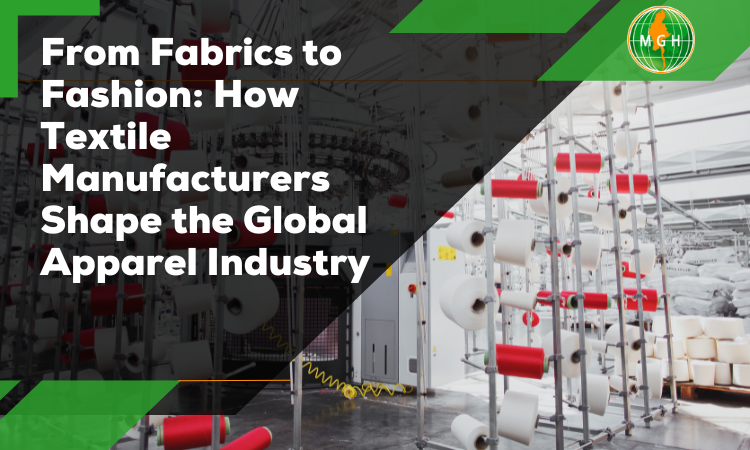
5. From Fabrics to Fashion: How Textile Manufacturers Shape the Global Apparel Industry

The Backbone of the Industry – Textile Manufacturing Companies

Textile manufacturing companies are the backbone of the apparel industry. These companies are responsible for producing textiles and fabrics that serve as the basic building blocks of fashion. From cotton to silk and everything in between, textile manufacturers ensure the availability of a wide range of materials to meet the diverse demands of consumers and designers worldwide.

Innovations in Textile Machinery

The textile manufacturing process has evolved over the years, thanks to constant innovations in textile machinery. Companies like Suntech Textile Machinery have revolutionized the production process, making it faster, more efficient, and environmentally friendly. These advancements have not only improved the quality and variety of fabrics but also reduced the cost of production, making fashion more accessible to a wider audience.

Sustainable Practices in Textile Manufacturing

Textile manufacturers are increasingly adopting sustainable practices in response to the growing demand for eco-friendly fashion. The industry is focusing on reducing waste, conserving energy, and using sustainable materials such as organic cotton and recycled fibers. These initiatives help reduce the ecological footprint of the apparel industry and promote a more responsible and ethical approach to fashion.

Collaborations with Fashion Brands and Designers

Textile manufacturing companies collaborate closely with fashion brands and designers to bring their creative visions to life. By understanding the latest trends and consumer preferences, textile manufacturers can produce fabrics that meet the demands of the fashion industry. This partnership ensures that designers have access to high-quality materials while also enabling textile manufacturers to showcase their expertise and expand their customer base. 

6. The Art of Precision: Analyzing the Operations of Leading Textile Manufacturing Companies

Precision and attention to detail lie at the very heart of the textile manufacturing industry. From sourcing quality raw materials to employing cutting-edge machinery, leading companies in this sector demonstrate a remarkable level of expertise in their operations. In this blog section, we will dive into the art of precision by analyzing the key aspects of textile manufacturing that set these companies apart.

1. State-of-the-Art Machinery:

At the forefront of textile manufacturing, industry leaders such as Suntech Textile Machinery leverage advanced technologies to achieve unparalleled precision. These companies invest in machinery that can weave, knit, and dye fabrics with the utmost accuracy, ensuring the uniformity and quality of each product.

2. Quality Control and Testing:

To guarantee exceptional standards, top textile manufacturing companies implement rigorous quality control measures throughout the production process. By conducting thorough testing of raw materials, monitoring production parameters, and using automated inspection systems, these companies leave no stone unturned in ensuring the final product meets the highest standards.

3. Supply Chain Management:

Efficient supply chain management plays a pivotal role in the success of textile manufacturers. Leading companies meticulously manage their supply chains, collaborating closely with suppliers to procure the finest raw materials. By maintaining strong relationships with industry partners, they secure a steady stream of superior inputs, optimizing their manufacturing operations.

4. Sustainable Practices:

In addition to precision, top textile manufacturers integrate sustainable practices into their operations. Recognizing the importance of responsible production, these companies implement eco-friendly measures such as reducing water and energy consumption, embracing sustainable fibers, and adopting waste management techniques. These initiatives not only contribute to a greener future but also help enhance the overall efficiency of their manufacturing processes.

Eco-friendly Practices Adopted by Industry Leaders

7. Sustainability in Textile Manufacturing: Eco-friendly Practices Adopted by Industry Leaders

Embracing Recycled Materials:

Leading cloth manufacturing companies are increasingly incorporating recycled materials into their production processes. By using recycled fibers and fabrics, these companies reduce the need for virgin resources and minimize waste. This not only helps to conserve natural resources but also reduces the carbon footprint associated with textile manufacturing. One such example is Suntech Textile Machinery, known for their cutting-edge technology that enables efficient recycling and repurposing of textile waste.

Reducing Water Consumption:

Water is a precious resource, and textile manufacturing is notorious for its high water consumption. However, industry leaders are implementing innovative solutions to reduce their water usage. Advanced machinery and dyeing techniques, employed by forward-thinking textile manufacturers, help reduce water consumption significantly. By adopting closed-loop water systems and investing in water treatment facilities, these companies ensure that the water used in their production processes is treated and recycled rather than being wasted.

Minimizing Carbon Emissions:

Textile manufacturers are increasingly aware of their carbon footprint and are taking measures to reduce it. Industry leaders are investing in cleaner energy sources, such as solar and wind power, to power their manufacturing plants. Additionally, energy-efficient machinery and production processes are being implemented to minimize energy waste. Through these initiatives, textile manufacturers are striving towards carbon neutrality, contributing positively to the fight against climate change. 

8. Stitched to Perfection: Discovering the Suppliers Behind Your Favorite Clothing Brands

Ever wonder where that cozy sweater or those trendy jeans actually came from? While we browse racks and click “buy” online, the world of textile manufacturing companies remains largely hidden. Today, we peel back the curtain, venturing beyond the brand logos to meet the unsung heroes – the skilled makers who stitch your favorite clothes to perfection.

From vibrant Bangladeshi mills to the bustling workshops of Vietnam, these textile manufacturing companies are the engines behind fashion’s global engine. Imagine vast factories humming with the rhythmic clatter of weaving machines, skilled hands guiding threads into intricate patterns, and meticulous attention given to every stitch. These aren’t faceless factories; they’re hubs of human ingenuity, where dedication and craftsmanship weave the fabric of our wardrobes.

Companies like Suntech Textile Machinery in China innovate with cutting-edge technology, ensuring efficiency and precision in thread production. In Mexico, manufacturers like Tetakawi embrace sustainable practices, utilizing recycled materials and eco-friendly dyeing methods. Across the globe, textile firms collaborate with designers and brands, transforming trends into tangible garments, each one a testament to their collaboration.

But it’s not just about machines and materials. At the heart of this industry are the men and women who dedicate their skills to craftsmanship. From experienced weavers meticulously guiding threads to garment cutters ensuring precision in every edge, their unwavering dedication ensures the quality of every piece.

Next time you admire a well-made garment, remember the journey it took. From farmers nurturing cotton fields to the skilled hands that transform it into fabric, to the meticulous stitching in garment factories, your clothes whisper a story of collaboration and human effort. As consumers, we can choose to support ethical practices and sustainable companies, ensuring that the clothes we wear reflect not just style, but a commitment to fair labor and environmental responsibility.

So, let’s raise a toast to the unseen heroes of the textile industry, the skilled weavers and meticulous stitchers who breathe life into our fashion choices. Their dedication ensures that every outfit tells a story, not just of trends, but of the human artistry that stitches perfection into every piece.

A Closer Look at Textile Manufacturers Preserving Age-Old Techniques

9. Innovation and Tradition: A Closer Look at Textile Manufacturers Preserving Age-Old Techniques

In a world obsessed with the new, some treasures whisper from the past. In the realm of textile manufacturing, amidst the whirring of modern machinery, a fascinating counterpoint emerges – companies dedicated to preserving age-old techniques, weaving ancient threads into contemporary realities.

Imagine stepping into a workshop in Rajasthan, India, where sunlight dances on handlooms as artisans guide silk threads with practiced ease. The rhythmic click-clack of the loom speaks of generations past, an unbroken chain of knowledge passed down through families. This isn’t mere nostalgia; it’s a vibrant tapestry of skill and artistry, where tradition isn’t a museum exhibit, but a living, breathing force.

Companies like Fabindia in India and Péro in Japan are custodians of these legacies. They invest in the revival of endangered weaving techniques like khadi and ikat, ensuring their stories continue to be woven into contemporary textiles. These aren’t simply fabrics; they’re whispers of cultural heritage, each intricate pattern and vibrant hue a testament to generations of expertise.

But innovation and tradition needn’t be rivals. Companies like the Guatemala Project in Central America blend ancient Mayan weaving techniques with contemporary design sensibilities. The result? Breathtaking textiles that bridge the gap between past and present, ensuring these age-old techniques remain relevant and desirable in the modern world.

Preserving these traditions isn’t just about aesthetics; it’s about sustainability. Age-old techniques often rely on local natural materials and time-honored processes, minimizing environmental impact. Companies like Ecotextiles in Portugal champion organic cotton and traditional dyeing methods, ensuring their fabrics whisper not just of history, but of environmental responsibility.

So, the next time you drape yourself in a handwoven silk saree or marvel at an intricately patterned ikat scarf, remember the journey those threads have taken. They whisper of ancient wisdom, of skilled hands guided by generations of knowledge, and of a commitment to preserving cultural heritage that refuses to be lost in the rush of the new. In these textiles, innovation and tradition find common ground, weaving a future where beauty, sustainability, and the whispers of the past come together in exquisite harmony.

10. From Threads to Treasures: How Textile Manufacturers Contribute to the Home Décor Industry

Imagine stepping into a haven bathed in sunlight, where textures dance across furniture and walls, whispering stories of comfort and personality. This is the magic of the home décor industry, and weaving its vibrant tapestry are the unsung heroes – textile manufacturers.

From plush throws draped over sofas to intricate tapestries adorning walls, textiles transform bare spaces into sanctuaries. Companies like D’Decor in India and Schumacher in the US spin magic from threads, crafting fabrics that breathe life into every corner. Imagine skilled artisans in Indonesia hand-weaving rattan rugs, their nimble fingers transforming natural materials into breathtaking textures that invite bare feet to sink in.

But the contribution of textile manufacturers goes beyond aesthetics. They’re innovators, pushing the boundaries of materials and techniques. Companies like Chargeurs in France experiment with recycled fibers and eco-friendly dyes, ensuring beauty doesn’t come at the cost of environmental responsibility. In Turkey, manufacturers like Isko develop performance fabrics that are stain-resistant and easy-care, making life easier while maintaining sophistication.

Sustainability isn’t just a trend; it’s a philosophy. Companies like Coyuchi in the US champion organic cotton and fair-trade practices, ensuring ethical production becomes an integral part of every textile they create. Their fabrics whisper not just of comfort and style, but of a commitment to a better future for people and planet.

But the magic of textile manufacturers lies in their ability to tell stories. Each fabric they create, from the bold prints of African wax prints to the delicate embroidery of Indian zardozi, carries a cultural legacy. By incorporating these textiles into our homes, we celebrate diversity, weave global narratives into our personal spaces, and create environments that spark conversation and wonder.

So, the next time you admire a hand-woven cushion or trace the intricate pattern of a throw rug, remember the journey those threads have taken. They whisper of skilled hands, innovative minds, and a dedication to transforming ordinary spaces into extraordinary havens. Let your home décor be a canvas for their artistry, a celebration of the magic that textile manufacturers weave from threads to treasures.

Conclusion:

The thread winds through time, weaving not just fabrics, but empires. We’ve glimpsed the giants, the hidden heroes, the innovators of the textile world. Now, armed with this knowledge, go, explore, and champion their stories. For in every piece of clothing, every home décor treasure, whispers the echo of their dedication – the unsung weavers of a world more vibrant, more sustainable, more beautifully stitched together.

The post Unveiling the Top Textile Manufacturing Companies: A Closer Look at the Industry Leaders appeared first on Myanmar Golden Heart.

]]>
https://mghdistributors.com/unveiling-the-top-textile-manufacturing-companies-a-closer-look-at-the-industry-leaders/feed/ 0
Unveiling the Beauty of Textile Art: Exploring the World of Fabric Creations https://mghdistributors.com/discover-the-art-of-textile-artwork-exploring-fabrics-beauty/ https://mghdistributors.com/discover-the-art-of-textile-artwork-exploring-fabrics-beauty/#respond Thu, 04 Jan 2024 05:45:00 +0000 https://mghdistributors.com/?p=20335 Table of Contents Introduction:  Discovering the Versatility of Textile Products in Contemporary Art. Explore the mesmerizing world of fabric creations, from intricate tapestries and intricately woven rugs to avant-garde textile installations. Learn about the various techniques and tools used in textile art, such as fabric art, textile paint, and embroidery, and how they can transform […]

The post Unveiling the Beauty of Textile Art: Exploring the World of Fabric Creations appeared first on Myanmar Golden Heart.

]]>
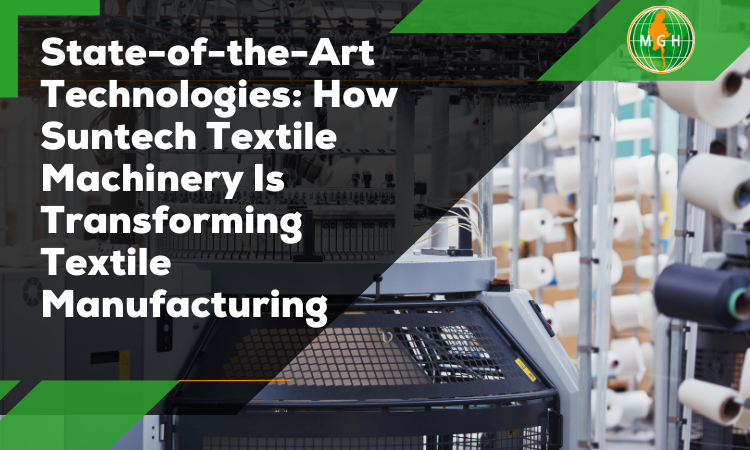
Table of Contents

Introduction:

 Discovering the Versatility of Textile Products in Contemporary Art. Explore the mesmerizing world of fabric creations, from intricate tapestries and intricately woven rugs to avant-garde textile installations. Learn about the various techniques and tools used in textile art, such as fabric art, textile paint, and embroidery, and how they can transform ordinary fabrics into stunning masterpieces. Experience the enchantment of textile artwork that showcases the harmonious fusion of creativity and craftsmanship.

Understanding the Intricate World of Textile Art

1. From Fiber to Masterpiece: Understanding the Intricate World of Textile Art

Textile art, also known as fabric art, is a captivating form of artistic expression that transforms ordinary fibers into breathtaking masterpieces. Combining techniques such as weaving, embroidery, fabric dyeing, and textile painting, artisans bring to life intricate compositions that showcase both their technical skill and artistic imagination.

One of the distinguishing features of textile art is the diverse range of materials used. Textile artists work with fabrics of various textures, colors, and patterns, carefully selecting each element to enhance the overall aesthetic of their creations. From delicate silk to sturdy linen, every fabric speaks its own language and contributes to the unique narrative woven by the artist’s hand.

The process behind textile art is a meticulous one, requiring immense patience and attention to detail. Starting with a concept or inspiration, artists sketch, plan, and experiment with different techniques and materials to achieve the desired effect. Whether it’s employing traditional weaving methods, using textile paints to create vibrant designs, or incorporating intricate embroidery, textile art seamlessly blends innovation with traditional craftsmanship.

Textile art is not confined to traditional canvas boundaries. It transcends the two-dimensional realm, often taking on three-dimensional forms through quilting, soft sculpture, and fiber installations. The tactile nature of textiles adds a sensory dimension to the viewing experience, encouraging viewers to explore the artwork through touch and embrace its tangible beauty.

As an art form, textile art offers artists a limitless canvas to express their creativity. It allows them to blur the lines between craft and fine art, inviting viewers on a journey of texture, color, and form. Whether it’s a wall hanging, wearable art, or a stunning textile sculpture, textile art captivates and inspires, breathing life into fibers and transforming them into true masterpieces.

A Beginner's Guide to Fabric Art

2. Unleashing Creativity: A Beginner's Guide to Fabric Art

Understanding Fabric Art

ile art encompasses a wide range of techniques and mediums, making it a diverse and exciting field. traditional hand embroidery to modern fabric painting, there are numerous ways to explore and experiment with textile art. Fabrics such as cotton, silk, and linen serve as the canvas for your creative ideas, offering a tactile and versatile surface to work withSection: Tools and

To embark on your fabric art journey,’s essential to gather the necessary tools and materials. Acquiring a set fine quality fabric paints textile dyes, and brushes will allow to bring your imagination to life. Additionally invest in a variety of fabrics in different and colors to add depth and character to your artworkSection: Exploring Techniques

Experimenting with various techniques is crucial in fabric art. Start by researching and practicing basic techniques like hand sewing, embroidery stitches, and fabric manipulation. As you gain confidence, you can move on to more advanced techniques like block printing oriqué. Remember, creativity is a continuous process, and each exploration will add a unique touch to your textile artwork.

Inspiration and Creativity

Inspiration is the backbone of textile artistry. Look for inspiration in everyday objects, nature, or personal experiences. Explore different art forms, visit galleries, and connect with other artists to expand your creative horizons. Immerse yourself in the world of colors, textures, and patterns, and let your imagination run wild.

Exploring the Unique Medium of Textile Paint

3. Beyond Canvas: Exploring the Unique Medium of Textile Paint

Textile art, often known as fabric art, harnesses the exquisite properties of textiles to create captivating artwork. While traditional paintings frequently adorn canvases, textile artists embrace the versatility of fabrics and employ a distinctive medium known as textile paint. This extraordinary form of expression grants artists the power to combine various techniques and explore unconventional surfaces.

Textile paint, formulated specifically for fabric application, offers a plethora of possibilities to textile artists. With an impressive range of vibrant colors, textile paint allows artists to bring their imagination to life on various textile products. From clothing and home decor items to tapestries and quilts, this unique medium adds a touch of artistic flair to everyday items.

What makes textile art truly remarkable is its tactile nature. Unlike traditional paintings, textile artwork invites viewers to experience the art through touch. Textile paint seamlessly merges with the fabric, enhancing its texture and allowing artists to create dimensional effects that enthrall the senses. By using different brush strokes, layering techniques, and experimental applications, the artists can add depth and intricacy to their creations.

Beyond its visual appeal, textile art represents a profound connection to history and culture. Throughout centuries, different civilizations have employed fabrics as their primary medium of artistic expression. Textile artwork incorporates techniques handed down through generations, such as embroidery, hand-painting, and block printing, preserving traditional craftsmanship while incorporating contemporary influences.

Whether you are an art enthusiast or simply appreciate the beauty of textiles, exploring the world of textile paint opens up a realm of artistic possibilities. From breathtaking wall hangings to wearable art, textile artwork presents a unique and captivating medium that captures both the eyes and the heart.

The Endless Possibilities of Textile Art

4. Unraveling Stories: The Endless Possibilities of Textile Art

Textile art, also known as fabric art, offers endless possibilities for artistic expression. Utilizing various textile techniques, such as embroidery, quilting, and felting, artists are able to create stunning pieces that captivate viewers and unravel stories within their intricately woven threads.

One of the most fascinating aspects of textile art is the use of textile paint to bring vivid colors and textures to life. Artists can experiment with different types of dyes and paints, allowing them to achieve a wide range of effects and moods in their artwork. Whether it’s bold and vibrant or subtle and delicate, textile art can truly evoke emotions through its visual language.

The versatility of textile art knows no bounds, as artists are not limited to traditional canvases. Everyday objects like clothing, accessories, and even furniture can be transformed into unique works of art through the application of textile techniques. This opens up new avenues for creativity, allowing textile artists to challenge conventions and redefine the boundaries of traditional art forms.

Beyond its aesthetic appeal, textile art also holds deep cultural and historical significance. Many cultures have a rich tradition of textile craftsmanship, with intricate patterns and symbols passed down from generation to generation. By incorporating these elements into their artwork, artists not only pay homage to their heritage but also weave narratives that transcend time and connect with people on a profound level.

Textile art is a dynamic and ever-evolving field that continues to push the boundaries of creativity. It offers a platform for artists to explore new materials, experiment with techniques, and tell stories through fabric, thread, and color. Whether it’s a thought-provoking tapestry, an intricately embroidered garment, or a whimsical fabric sculpture, textile art has the power to engage, inspire, and delight viewers from all walks of life.

A Fusion of Art, Craftsmanship, and Innovation

5. Textile Artistry: A Fusion of Art, Craftsmanship, and Innovation

In the realm of artistic expression, the fusion of art, craftsmanship, and innovation is beautifully epitomized by the world of textile art. From exquisite tapestries to contemporary clothing designs, textile art marries creative vision with technical expertise, resulting in stunning visual masterpieces that captivate the senses.

One of the main elements that distinguishes textile art from traditional art forms is the medium itself. Fabric art provides a unique canvas for artists to express their ideas, as different textures, colors, and patterns come together to create a distinct sensory experience. Whether it’s through hand-weaving, quilting, or embroidery, textile artists push the boundaries of traditional techniques, combining age-old craftsmanship with their own unique flair.

Another exciting aspect of textile artistry lies in the realm of innovation. With the advent of modern technology, artists are now able to explore new avenues of creativity and experimentation. The emergence of textile paints and dyes, for example, has allowed artists to create intricate designs on fabric with vivid colors and unparalleled precision. This newfound freedom enables textile artists to breathe life into their creations, transforming simple textiles into breathtaking works of art.

Moreover, textile art has transcended its traditional boundaries, extending its influence to the realms of fashion, interior design, and even fine art galleries. It has become a medium of choice for many contemporary artists seeking to challenge societal norms and blur the lines between art and craft. By incorporating textile elements into non-traditional settings, these artists are pushing the boundaries of creativity and forging new paths of artistic expression.

6. From Traditional to Contemporary: The Evolution of Textile Artwork

Textile art has come a long way, evolving from traditional techniques to a more contemporary and innovative form of expression. Over the years, artists have pushed the boundaries of this medium, experimenting with different materials, techniques, and styles to create stunning textile artwork that captures the imagination.

In the past, textile art primarily referred to the production of functional fabric products such as clothing, tapestries, and quilts. However, as the art world has evolved, so too has the definition of textile art. Today, textile art encompasses a wide range of techniques and materials beyond traditional fabric production.

For instance, artists now explore the use of textile paint to create intricate designs on fabric, merging the worlds of painting and textile art. This innovative approach allows artists to combine different textures, colors, and patterns to create captivating visual narratives.

Moreover, contemporary textile artists often experiment with unconventional materials, such as recycled fabrics or industrial textiles, pushing the boundaries of traditional techniques. This creative exploration gives rise to unique and thought-provoking pieces that challenge our preconceived notions of textile art.

One of the most exciting aspects of the evolution of textile artwork is the blending of traditional and contemporary techniques. Many artists combine traditional stitching methods with modern digital printing or embroidery machines. This fusion of old and new techniques results in visually stunning and conceptually rich artwork that pushes the boundaries of what is possible.

7. Embracing Texture: The Beauty of Textile Art in Home Décor

Forget flat, forget predictable. Step into a world where walls whisper vibrant stories, where tapestries sing vibrant lullabies, and where textures dance beneath your fingertips. This is the world of textile art, a realm where fabric transcends its utilitarian purpose to become a living, breathing element of your home decor.

Gone are the days of sterile white walls and mass-produced prints. Textile art invites you to embrace the tactile symphony of woven stories. Imagine a macrame wall hanging cascading down, its knotted strings catching the light like sunbeams through leaves. Picture a hand-woven tapestry bursting with color, its fibers whispering of ancient traditions and bold palettes. Feel the textured surface of a felted wall sculpture, its gentle curves a soothing balm to the eye.

Textile art transcends mere decoration; it becomes an immersive experience. Each piece invites you to explore its depths, to trace the journey of thread to masterpiece. A piece of fabric art adorned with textile paint becomes a canvas for vibrant narratives, a whisper of the artist’s soul woven into every brushstroke.

But the beauty of textile art lies not just in aesthetics, but in its versatility. Its warmth softens stark lines, its textures add depth to sterile spaces, and its colors inject personality into every corner. A woven throw blanket draped over a chair becomes an instant invitation to cozy comfort, while a hand-stitched cushion transforms a forgotten nook into a haven of creativity.

Whether you’re drawn to the earthy elegance of macrame, the vibrant energy of fabric painting, or the timeless stories woven into traditional tapestries, textile art offers a gateway to a world of possibilities. It’s an invitation to break free from the confines of the ordinary, to embrace the beauty of handmade textures, and to turn your home into a canvas for your own unique story. So, let your fingers explore the tactile symphony of threads, let your walls sing with vibrant textures, and discover the transformative power of embracing the beauty of textile art in your home decor.

8. The Language of Threads: Symbolism and Meaning in Textile Art

Textile art has long been regarded as a powerful medium for self-expression and storytelling. Through the intricate language of threads, artists are able to convey a rich tapestry of symbolism and meaning in their creations. From fabric art to textile paint, the world of textile artwork holds a myriad of possibilities for artists explore.

In textile art, every choice of material, color, and stitch carries its own significance. The choice of fabric can evoke a particular emotion or set the tone for the artwork. For example, silk may suggest delicacy and elegance, while rough burlap can indicate strength and resilience.

Similarly, the colors used in textile art can hold deep symbolic meanings. Blue may represent tranquility and calmness, while red can symbolize passion and energy. By combining different colors harmoniously or contrasting them boldly, textile artists can create a visual language that speaks directly to the viewer.

One of the most fascinating aspects of textile art is the use of stitching techniques. Each stitch can serve as a mark of intention and craftmanship. From delicate embroidery to bold quilting, stitches can create patterns that convey stories and experiences. They can also be used to depict symbolic elements such as flowers, animals, or abstract shapes, further enriching the narrative of the artwork.

Through the language of threads, textile artists are able to communicate personal narratives, cultural heritage, and reflections on society. Whether it’s a wall hanging, a wearable garment, or a sculptural piece, textile art has the ability to captivate and engage viewers on both a visual and emotional level.

Exploring Experimental Techniques in Textile Art

9. Pushing Boundaries: Exploring Experimental Techniques in Textile Art

Textile art has been an integral part of human culture for centuries, with artists continuously pushing boundaries to create captivating and innovative pieces. By combining various fabric manipulation techniques, textile artists bring life to their imagination and transform simple textiles into awe-inspiring works of art. In this blog section, we delve into the realm of experimental techniques in textile art, exploring the immense potential and possibilities they offer.

Fabric art, with its vast array of techniques, serves as a medium for artists to express themselves through textures, colors, and patterns. One such innovative method is textile paint, allowing artists to unleash their creativity onto fabric and showcase their unique perspectives. With a pioneer spirit, textile artists experiment with different types of textile paints, from traditional acrylics to innovative heat-set products, altering the texture and appearance of the fabric to suit their vision.

However, textile art goes beyond just paint and extends into intricate fabric manipulation techniques. Artists explore diverse methods such as hand-stitching, embroidery, quilting, and even unconventional approaches like burning or distressing textiles. These experimental techniques add depth and dimension to the artwork, making each piece a masterpiece in its own right.

Whether it’s creating textile sculptures, quilts, or wearable art, artists continue to push boundaries and pioneer new techniques, blurring the lines between traditional craftsmanship and contemporary art. Textile artwork is evolving, capturing the imaginations of both artists and art enthusiasts alike. 

10. Unveiling the Masterminds: Celebrating Influential Textile Artists Throughout History

Discovering the Beauty of Fabric Art

Fabric art, a subcategory of textile art, showcases the versatility of fabrics as a medium for artistic expression. Artists manipulate textiles through techniques such as quilting, appliqué, and embroidery to create stunning works that are both visually striking and emotionally evocative. Exploring the depths of color, texture, and form, fabric art brings life to the seemingly ordinary fabric and transforms it into extraordinary masterpieces.

The Magic of Textile Paint

Textile paint has revolutionized the world of textile art, enabling artists to apply vibrant colors and intricate designs directly onto fabric. This versatile medium has opened up new possibilities for creativity, allowing artists to create wearable art, soft furnishings, and unique pieces that blur the boundaries between art and fashion. By incorporating various techniques, such as hand-painting, stenciling, and screen printing, textile artists breathe life into their creations, leaving a lasting impression on both the art world and fabric enthusiasts.

Unleashing Creativity Through Textile Artwork

Textile artwork encompasses a wide range of techniques and styles, with artists constantly pushing boundaries and experimenting with unconventional materials. From thread and yarn installations to sculptural fabric forms, these innovative creations challenge traditional notions of art-making. Through their imagination and skill, textile artists bring stories to life, communicate messages, and provoke thought, inspiring audiences to view textiles beyond their functional purpose.

Conclusion:

The world of textile art is truly mesmerizing, offering a wide range of fabric creations that showcase the beauty and creativity of skilled artisans. From intricate fabric art pieces to vibrant textile paintings, the possibilities are endless. Whether you’re a connoisseur or a beginner, exploring the realm of textile artwork is a delightful journey that unveils the true wonders of this unique craft.

The post Unveiling the Beauty of Textile Art: Exploring the World of Fabric Creations appeared first on Myanmar Golden Heart.

]]>
https://mghdistributors.com/discover-the-art-of-textile-artwork-exploring-fabrics-beauty/feed/ 0
Unraveling History: The Fabric of Civilization Woven Through Threads of Cloth https://mghdistributors.com/unraveling-history-the-fabric-of-civilization-woven-through-threads-of-cloth/ https://mghdistributors.com/unraveling-history-the-fabric-of-civilization-woven-through-threads-of-cloth/#respond Tue, 02 Jan 2024 05:36:05 +0000 https://mghdistributors.com/?p=20310 Table of Contents Introduction: Forget dusty tomes and crumbling monuments! History whispers its most vibrant secrets not in stone, but in the very fabric of our lives: clothes, tapestries, flags. Join us as we unravel the extraordinary story of civilization, thread by thread. From emperors draped in luxury silks to revolutionaries waving defiant pennants, textiles […]

The post Unraveling History: The Fabric of Civilization Woven Through Threads of Cloth appeared first on Myanmar Golden Heart.

]]>
Table of Contents

Introduction:

Forget dusty tomes and crumbling monuments! History whispers its most vibrant secrets not in stone, but in the very fabric of our lives: clothes, tapestries, flags. Join us as we unravel the extraordinary story of civilization, thread by thread. From emperors draped in luxury silks to revolutionaries waving defiant pennants, textiles have shaped cultures, sparked wars, and fueled global trade. Prepare to be tangled in a journey through the textile world, where every weave, every dye, reveals a fascinating tale of how cloth stitched together the tapestry of humanity.

Tracing the Rise and Fall of Civilizations Through Textiles

1. Warp and Weft of Empires: Tracing the Rise and Fall of Civilizations Through Textiles

Imagine empires not as towering marble edifices, but as vast tapestries woven from threads of linen, silk, and wool. Within the intricate patterns and vibrant dyes lie the forgotten narratives of their rise and fall, whispered not in the crumbling stones of palaces, but in the faded hues of royal robes and the tattered remnants of soldiers’ tunics.

Take ancient Egypt, where pharaohs adorned themselves in shimmering linen, a fabric born from the fertile Nile delta, a symbol of their divine power and earthly wealth. Linen trade routes flowed like arteries, enriching the empire and weaving Egypt into the fabric of the Mediterranean world. Yet, just as a moth can unravel a tapestry, the rise of cotton and the shift in trade winds slowly frayed Egypt’s dominance, leaving behind echoes in the bleached bones of abandoned linen workshops.

Across the globe, in the bustling markets of Imperial China, silk, “the thread of heaven,” shimmered and whispered luxury. Its intricate patterns showcased not just wealth, but technological prowess, a testament to the meticulous silk production that fueled China’s economic might. This silken web bound nations in trade, entangled ambassadors in diplomacy, and ultimately, like a tangled skein, choked itself as rebellions and overproduction unraveled the empire’s golden threads.

From the vibrant wool tapestries of Viking longships to the sturdy cotton armors of Mayan warriors, textiles not only reflected, but actively shaped the destiny of empires. They fueled economies, ignited conflicts, and adorned both victors and vanquished. As we trace the rise and fall of civilizations through the lens of the textile world, we gain a deeper understanding of the intricate forces that weave the tapestry of history, where empires rise and fall like threads tugged and released on a grand loom.

This is just the first stitch in our exploration of how the textile world mirrored and shaped the warp and weft of empires. Stay tuned as we delve deeper into the intricate patterns of history, woven not in stone, but in the enduring magic of cloth.

the Global fabric Textile World and its Economic Threads

2. Threads of Trade: Unraveling the Global Textile World and its Economic Threads

Imagine a world before container ships and air cargo, yet trade routes thrummed with life. Caravans laden with vibrant silks traversed arid deserts, ships bulging with bales of cotton crossed vast oceans, and humble peddlers hawked their wares in bustling marketplaces. This global tapestry was woven with a single thread: textiles.

From the opulent silk robes of Chinese emperors bartered across the Silk Road to the sturdy woolen cloaks traded by Viking merchants, textiles were more than mere garments; they were currency, commodities, and catalysts for cultural exchange. The rise and fall of empires were often mirrored in the ebb and flow of these “Threads of Trade.”

Cotton, once cultivated in the Indus Valley, became the fabric of empires, its cultivation and trade enriching nations like ancient Egypt and later, the British Empire. Linen from fertile Nile mud and wool from hardy sheep wove their way into economies, fueling prosperity and fueling rivalries. The discovery of new dyes, like the Tyrian purple reserved for Roman emperors, sparked technological advancements and fueled lucrative monopolies.

But this intricate tapestry wasn’t without its dark threads. The insatiable demand for textiles led to brutal exploitation, from the forced labor in colonial cotton plantations to the harsh conditions endured by weavers in early industrial Britain. The fight for fair trade and ethical production remains tangled in the fabric of the modern textile world, a reminder that the threads of prosperity are often interwoven with the knots of injustice.

As we unravel the history of global trade, the textile world provides a vibrant thread to follow. It’s a story of innovation and exploitation, of cultural exchange and human struggle. It’s a reminder that the clothes we wear whisper not just of fashion, but of the complex, interconnected web that binds us all together.

Deciphering Cultural Identity and Social Hierarchy Through Fabric

3. Symbols in Stitches: Deciphering Cultural Identity and Social Hierarchy Through Fabric

Imagine stepping into a bustling marketplace, not just one filled with goods, but one alive with stories woven into the very fabric of clothing. From the intricate patterns adorning a kimono to the vibrant stripes on a Maasai blanket, textiles become a kaleidoscope of cultural identity, whispering tales of lineage, tradition, and social standing.

Every stitch, every dye, becomes a symbol. The bold geometric patterns on an African mudcloth speak of resilience and community, while the delicate embroidery on a Chinese cheongsam whispers of grace and refinement. For nomadic cultures, intricately woven rugs become maps, their knotted corners and vibrant colors charting journeys and ancestry.

In ancient societies, the fabric of your garment wasn’t just a matter of style; it was a badge of honor, a declaration of status. The shimmering linen of Egyptian pharaohs spoke of divine power, while the coarser wool tunics of commoners reflected their place in the social hierarchy. In Japan, the intricate silk kimonos worn by noblewomen were testaments to their wealth and artistic heritage.

But fabrics also challenged these rigid structures. Slaves in the American South encoded messages of freedom and rebellion into their quilts, their hidden patterns a secret language of escape. Women throughout history defied social norms by choosing fabrics and styles that defied expectations, weaving threads of protest into their wardrobes.

As the world becomes increasingly interconnected, the “Symbols in Stitches” become more complex. Cultural fusion creates vibrant tapestries, blending motifs and techniques, challenging and reinventing old narratives. Yet, the basic principle remains: textiles remain a powerful language, speaking volumes about who we are, where we come from, and where we hope to go.

Innovation and Invention Woven into the fabric Textile Story

4. From Tunic to Technology: Innovation and Invention Woven into the Textile Story

Imagine a world before smartphones, where the most cutting-edge technology resided not in silicon chips, but in the humble loom. From the first threads spun from flax by our ancient ancestors to the self-cleaning fabrics of today, the textile world has been a cradle of innovation, weaving a fascinating narrative of ingenuity and invention.

Early civilizations laid the groundwork. Egyptians mastered the art of linen production, its strength and flexibility shaping sails for conquering ships and shrouds for mummification rituals. The Chinese perfected silk production, its beauty and durability sparking trade empires and inspiring the invention of sophisticated dyeing techniques. The spinning jenny, a seemingly simple contraption, revolutionized the textile industry, automating yarn production and paving the way for the Industrial Revolution.

But innovation wasn’t limited to production. Textiles became laboratories for scientific breakthroughs. The discovery of waterproof coatings on wool led to the development of rubber raincoats. Dyes derived from plants and insects like cochineal became the foundation for modern synthetic dyes, coloring not just fabrics, but dreams and scientific theories.

Today, the textile world pushes the boundaries of technology further than ever. Smart fabrics embedded with sensors monitor our health, react to changing environments, and even generate electricity. Nano-engineered fibers promise fabrics that are self-cleaning, stain-resistant, and even bulletproof. 3D printing technology allows for the creation of customized garments, blurring the lines between fashion and wearable technology.

The journey from simple tunics to high-tech fabrics is a testament to the unwavering human spirit of innovation. It’s a story woven not just on looms, but in the laboratories of scientists, the studios of designers, and the dreams of those who dared to imagine a future where threads hold the key to progress.

So next time you slip on a shirt or admire a vibrant tapestry, remember: you’re wearing not just fabric, but an intricate chronicle of human ingenuity, woven into the very fabric of our civilization. Join us next time as we explore the cutting edge of textile technology, where threads promise to not just clothe us, but to reshape the world around us.

Textiles Fueled Revolutions and Social Change

5. Power Struggles and Threads of Resistance: How Textiles Fueled Revolutions and Social Change

Imagine a battlefield not littered with guns and bombs, but with banners held high, their vibrant colors and defiant symbols proclaiming not just loyalty, but a fight for a new fabric of society. Throughout history, textiles have been more than mere garments; they have become weapons, flags, and tools for resistance, woven into the very tapestry of social change.

In ancient Rome, the donning of a specific toga could signal a political stance, a silent protest against an emperor’s tyranny. In medieval India, women defied restrictive caste-based dress codes, adopting sarees of forbidden colors or patterns, their defiance woven into the threads of their garments. During the American Revolution, colonists proudly sported homespun clothing, severing the threads of fashion that tied them to their British oppressors.

Textiles became even more potent symbols of resistance during the Industrial Revolution. Workers, their lives entangled in the harsh threads of factory life, used scarves and handkerchiefs to identify with each other, their solidarity stitched into their attire. Suffragettes flaunted vibrant purple sashes, demanding the right to vote, their colors echoing the struggle for liberty and equality.

But this story isn’t just about rebellion. Textiles have also woven threads of empowerment. In African diaspora communities, intricately patterned fabrics like kente cloths became symbols of cultural identity and pride, worn during celebrations and protests alike. The vibrant sarees of Indian women continue to hold stories of resilience and tradition, passed down through generations.

Today, the fight for fair labor practices in the textile industry continues, with activists and consumers using their wallets and wardrobes to challenge unethical production practices. Sustainable fashion movements champion fabrics woven with ecological conscience, redefining the power dynamics within the global textile supply chain.

From battlefields to boardrooms, textiles remain powerful tools for challenging existing power structures and weaving a new fabric of society. They remind us that our clothes are not just what we wear, but stories we tell, threads of resistance whispering their tales of struggle and hope.

6. Threads of Faith: Exploring the Intertwining of Religion and Textile Traditions

In the intricate tapestry of the textile world, the profound connection between religion and textile traditions weaves a narrative that goes beyond the mere fabric of civilization. “The Fabric of Civilization: How Textiles Made the World” delves into the historical significance of textiles, but when it comes to matters of faith, the interplay becomes even more intricate.

Religious textiles have played a pivotal role in shaping cultural identities and spiritual expressions across civilizations. From elaborate ceremonial garments to sacred tapestries, these threads of faith tell stories of devotion, cultural richness, and divine connection. “The Fabric of Civilization” not only encapsulates the utilitarian aspects of textiles but also the spiritual and symbolic dimensions embedded in religious textile traditions.

The historical exploration in “The Fabric of Civilization: How Textiles Made the World” takes us on a journey through time, revealing the threads of faith that have been woven into the very fabric of human existence. Whether it’s the intricate patterns of Islamic textiles, the vibrant hues of Hindu saris, or the solemn simplicity of Christian vestments, each thread carries with it a tapestry of beliefs and traditions.

the Artistic Brilliance Woven into fabric Textile Creations

7. Artful Expressions: Unveiling the Artistic Brilliance Woven into Textile Creations

Imagine a canvas not in the sterile confines of a museum, but draped on human forms, swaying in the wind, vibrant with color and texture. This living canvas, this breathtaking tapestry, is the world of textile art, where threads become brushstrokes, looms become easels, and garments transform into expressions of unparalleled beauty and creativity.

From the intricate tapestries of medieval Europe, depicting biblical scenes and courtly life, to the vibrant kimono adorned with delicate floral motifs, textiles have long served as artistic mediums. The Incas weaved intricate stories into their quipus, knotting messages and legends into colorful cords. Berber women in North Africa tell tales of community and tradition through elaborate rug patterns, each knot and dye a whisper of their heritage.

Textile art transcends geographic boundaries. Japanese silk paintings shimmer with ethereal landscapes, their gossamer threads capturing the elusive essence of nature. The bold geometric patterns of African mudcloths pulsate with life, celebrating resilience and community through vibrant shapes and textures. Even humble quilts, stitched together from scraps of everyday life, become masterpieces of storytelling, each patch whispering of lived experiences and familial bonds.

But textile art isn’t merely a relic of the past. Contemporary artists push the boundaries of the medium, transforming humble fabric into sculptures, installations, and wearable performances. Yarn bombing dresses up the urban landscape, yarn installations breathe life into sterile spaces, and fiber optic threads weave dazzling constellations of light.

Textile art reminds us that beauty and creativity can be found in the most unexpected places, born not from expensive pigments and polished canvases, but from the humble thread, the patient loom, and the skilled hand. It’s a story woven not just on fabrics, but in the hearts and minds of those who dare to transform the practical into the sublime.

8. Beyond Utility: The Sensual and Symbolic Power of Textiles Through Time

In the vast expanse of the textile world, the significance of textiles transcends mere utility, encompassing a rich tapestry of sensual and symbolic power that has woven itself through the fabric of civilization. “The Fabric of Civilization: How Textiles Made the World” offers a compelling journey through time, unveiling the profound impact of textiles beyond their practical applications.

As we navigate the pages of “The Fabric of Civilization,” we discover that textiles, beyond their functional role, have always held a unique place in human history. From the earliest fibers spun for warmth and protection to the intricate tapestries that adorned royal courts, textiles have been conduits for expressing culture, identity, and the human experience.

The sensual allure of textiles lies not only in their tactile nature but also in the stories they tell. Consider the exquisite craftsmanship of a Persian rug, the delicate embroidery of a traditional Chinese silk garment, or the vibrant patterns of African textiles. These elements evoke a sensory experience that transcends the practical and delves into the realms of aesthetics and emotion.

Symbolism, too, weaves itself into the very threads of our history. The regal robes of monarchs, the sacred vestments of religious leaders, or the intricate patterns of indigenous textiles—all carry layers of meaning and cultural significance. “The Fabric of Civilization” unravels the symbolic power woven into textiles, reflecting societal values, beliefs, and aspirations.

Through time, textiles have been more than commodities; they have been storytellers, reflecting the evolution of societies and civilizations. In the intricate dance of threads, we find echoes of human creativity, resilience, and ingenuity. “The Fabric of Civilization: How Textiles Made the World” serves as a guide, revealing how textiles have not only shaped the physical world but also the intangible realms of culture, art, and identity.

The Environmental and Ethical Footprint of the fabric Textile Industry

9. A Tangled Skein: The Environmental and Ethical Footprint of the Textile Industry

Imagine the vibrant tapestry of the textile world, its threads woven from cotton, silk, and polyester, all gleaming with beauty and innovation. But behind this dazzling facade lies a tangled skein – the environmental and ethical footprint of the industry, a dark undercurrent threatening to unravel the entire fabric of our civilization.

The sheer scale of the textile industry is staggering. Producing the clothes we wear consumes more water than any other industry, pollutes rivers with toxic dyes, and releases mountains of synthetic fibers into the environment, microplastics that find their way into our oceans and food chain. Cotton farming depletes fertile land and guzzles water, while the production of synthetic fabrics like polyester relies on fossil fuels and generates harmful emissions.

Beyond the environmental scars, the human cost is equally worrisome. From child labor in cotton fields to sweatshop conditions in factories, the pursuit of cheap clothing often comes at the expense of human dignity and safety. Workers toil for long hours in hazardous conditions, exposed to toxic chemicals and unfair treatment.

But amidst this tangled skein of challenges, whispers of hope can be heard. Sustainable clothing brands are emerging, embracing organic materials, responsible production practices, and fair labor standards. Consumers are becoming more conscious, demanding transparency and ethical sourcing of their clothes. Governments are enacting regulations and promoting eco-friendly initiatives.

The path towards a cleaner and fairer textile industry is complex, but not impossible. It requires a collective effort from consumers, manufacturers, and policymakers. We must embrace slow fashion, repairing and reusing clothes instead of chasing trends. We must demand transparency and ethical sourcing from the brands we support. We must push for stricter regulations and hold all players accountable.

Untangling the skein of the textile industry will not be easy. It will require awareness, responsibility, and a conscious shift in our relationship with clothing. But by weaving together environmental sustainability, ethical labor practices, and innovative solutions, we can reimagine the fabric of our civilization, ensuring that the vibrant tapestry of the textile world becomes a source of pride, not a symbol of exploitation.

10. Threads of Tomorrow: Weaving a Sustainable and Equitable Future for the Textile World

In envisioning the textile world of tomorrow, the imperative lies not only in acknowledging the rich history encapsulated in “The Fabric of Civilization: How Textiles Made the World” but also in charting a course toward a sustainable and equitable future. The threads of tomorrow weave a narrative that transcends the fabric of civilization, embracing ethical practices and environmental consciousness.

As we reflect on the insights provided by “The Fabric of Civilization,” it becomes evident that the textile industry, with its vast impact on the environment and communities, is at a crossroads. The future demands a paradigm shift—one that champions sustainability, ethical production, and social responsibility.

Sustainable practices are emerging as the cornerstone of the textile world’s evolution. From eco-friendly materials to responsible manufacturing processes, the shift toward sustainability reflects a commitment to minimizing environmental impact. “The Fabric of Civilization” serves as a catalyst for change, inspiring a reevaluation of how textiles are produced and consumed in the modern era.

Equity in the textile world extends beyond environmental concerns to encompass fair labor practices and social responsibility. “The Fabric of Civilization: How Textiles Made the World” prompts us to consider the human cost behind our garments and textiles, urging the industry and consumers alike to support fair wages, safe working conditions, and the empowerment of communities involved in textile production.\

In the threads of tomorrow, technology also plays a pivotal role. Innovations in textile manufacturing, such as sustainable dyeing processes and circular fashion initiatives, promise a more environmentally friendly and resource-efficient future. “The Fabric of Civilization” invites us to embrace these technological advancements as catalysts for positive change in the textile industry.

Conclusion:

Our journey through the textile world may end here, but the narrative it woven into the fabric of civilization stretches to infinity. From humble threads, empires rose and fell, revolutions sparked, and art blossomed. Remember, clothes aren’t merely garments; they’re whispers of history, threads of progress, and vibrant tapestries waiting to be unraveled. So, the next time you hold a piece of cloth, remember: you’re not just touching fabric, you’re touching the very pulse of humanity. Keep exploring, keep unraveling, and see the world anew, woven thread by thread.

The post Unraveling History: The Fabric of Civilization Woven Through Threads of Cloth appeared first on Myanmar Golden Heart.

]]>
https://mghdistributors.com/unraveling-history-the-fabric-of-civilization-woven-through-threads-of-cloth/feed/ 0
Threads of Innovation: How Textiles Revolutionized Technology, Trade, and Society https://mghdistributors.com/threads-of-innovation-how-textiles-revolutionized-technology-trade-and-society/ https://mghdistributors.com/threads-of-innovation-how-textiles-revolutionized-technology-trade-and-society/#respond Fri, 29 Dec 2023 05:19:17 +0000 https://mghdistributors.com/?p=20281 Introduction: Forget steel and silicon – the true revolution lies in threads. Woven into the very fabric of civilization, textiles weren’t just clothing; they were tools, sails, and communication channels. Prepare to unravel the hidden history of innovation, where humble threads propelled technology, reshaped trade, and stitched together societies across continents. Join us on a journey where […]

The post Threads of Innovation: How Textiles Revolutionized Technology, Trade, and Society appeared first on Myanmar Golden Heart.

]]>
Introduction:

Forget steel and silicon – the true revolution lies in threads. Woven into the very fabric of civilization, textiles weren’t just clothing; they were tools, sails, and communication channels. Prepare to unravel the hidden history of innovation, where humble threads propelled technology, reshaped trade, and stitched together societies across continents. Join us on a journey where looms hummed the soundtrack of progress, and a single fiber could change the course of history. Buckle up, textiles enthusiasts – the warp and weft of innovation awaits! 

he Human Cost of Fast textiles Fashion

1. Bloodstained Threads: The Human Cost of Fast Fashion

Behind the glossy sheen and trendy cuts of fast fashion lies a dark truth woven in threads of blood and sweat. The relentless pursuit of cheap, ever-changing trends comes at a devastating human cost, one often hidden from the glitz and glam of runway shows and magazine spreads.

In the labyrinthine factories of the global garment industry, where workers toil under harsh conditions for meager wages, the price of a $5 t-shirt becomes tragically clear. Children’s hands, nimble enough for intricate stitching, are forced into labor, their childhood stolen by the insatiable hunger for quick fashion fixes. Adults, under constant pressure to meet impossible production quotas, face unsafe working conditions, wage theft, and even physical abuse.

The human cost extends beyond factory walls. Environmental pollution from textiles production poisons waterways, contaminates soil, and chokes the air. Communities surrounding these factories live under the shadow of toxic fumes and hazardous waste, their health and well-being sacrificed on the altar of fast fashion’s insatiable appetite.

This isn’t simply a distant issue in some developing nation; the threads of this exploitation are intricately woven into our own wardrobes. Every impulse purchase, every discarded trend, fuels this system of human and environmental degradation. We, the consumers, are unwittingly complicit in this tragedy, wearing the bloodstained threads of fast fashion without a second thought.

But the story doesn’t end in darkness. A growing chorus of voices is demanding change, urging a shift towards ethical and sustainable clothing practices. Fair trade initiatives, responsible sourcing, and conscious consumerism are slowly unraveling the knots of exploitation and weaving a new, more humane fabric for the textile world.

It’s time to break free from the fast fashion cycle, to reject the allure of cheap, disposable garments and embrace clothing that reflects our values. Let’s choose quality over quantity, longevity over trends, and ethical sourcing over blind consumption. Only then can we truly wash away the stains of blood and weave a future where fashion doesn’t come at the cost of human suffering.

Environmental Exploitation in the Textiles Industry

2. Tangled Skeins: Environmental Exploitation in the Textile Industry

Beneath the vibrant tapestry of the textile world lies a tangled skein of environmental exploitation, a dark undercurrent that threatens to unravel the very fabric of our planet. From cotton fields thirsty for water to synthetic fibers leeching into our oceans, the industry’s footprint paints a grim picture of pollution, resource depletion, and ecological devastation.

Consider the humble cotton boll, a symbol of comfort and purity. Its cultivation, however, guzzles water like a parched desert, leaving behind arid landscapes and depleted aquifers. Pesticides and fertilizers, essential for maximizing yields, poison the soil and contaminate water sources, poisoning not just the land but the very lifeblood of communities.

Synthetic fibers, the darlings of the fast fashion world, offer a deceptive illusion of durability and affordability. Yet, their production relies on fossil fuels, spewing greenhouse gases and contributing to climate change. The microplastics shed from these fibers don’t simply disappear; they contaminate our food chain, poison marine life, and become a permanent resident in our ecosystems.

The textile industry’s impact extends beyond land and water. Chemical dyes, essential for the vibrant hues of our clothes, pollute waterways and leave behind toxic residues. Wastewater from textile factories often goes untreated, releasing a cocktail of chemicals that poison ecosystems and endanger biodiversity.

This tangled skein of environmental exploitation is not simply an abstract concern; it has real and tangible consequences. Communities living near textile factories face health risks from pollution, while the disruption of ecosystems threatens food security and livelihoods. The very resources we depend on, from clean water to healthy soil, are sacrificed on the altar of cheap clothing and fleeting trends.

But amidst this tangled mess, threads of hope emerge. Sustainable farming practices, innovative recycling technologies, and a growing shift towards natural dyes offer glimmers of a cleaner future. Consumers, armed with knowledge and empowered by ethical choices, can demand change from the industry and embrace clothing that reflects their commitment to the planet.

The time for inaction is over. We must unravel the tangled skeins of environmental exploitation and weave a new fabric for the textiles world, one where vibrant colors don’t come at the cost of a polluted planet. Let’s choose conscious consumption, support sustainable practices, and hold the industry accountable for its environmental footprint. Only then can we ensure that the threads of our clothing tell a story of progress, not pollution.

Forced Labor in Textiles Production

3. Unraveling the Knots of Modern Slavery: Forced Labor in Textile Production

The vibrant tapestry of the textile world, woven with threads of cotton and silk, hides a dark stain – the stain of forced labor. Beyond the fashion shows and glossy magazine spreads, in the shadows of garment factories, lurk individuals trapped in a modern-day slavery. Their hands, nimble and skilled, weave not just clothing but tales of human exploitation.

Forced labor takes many forms in the textile industry. Children, lured by the promise of a better life, are trafficked and forced to work long hours for meager wages, their childhood stolen under the watchful eyes of factory guards. Adults, often migrants desperate for work, face coercion, debt bondage, and physical abuse, their passports confiscated, their freedom stolen.

The consequences are devastating. Exploitation doesn’t just rob individuals of their dignity and freedom; it undermines the entire industry, creating an uneven playing field where ethical businesses struggle to compete with prices built on human suffering. The human cost is immeasurable, with families torn apart, lives shattered, and dreams buried beneath piles of discarded clothes.

This issue isn’t confined to distant lands; it exists within our own globalized supply chains. The t-shirt we wear, the dress for a special occasion – these seemingly ordinary items may hold the invisible threads of forced labor. We, the consumers, are unknowingly complicit in this tragedy, wearing the products of human exploitation without a second thought.

But the fabric of change is already being woven. Ethical brands are leading the way, implementing transparency in their supply chains and partnering with organizations fighting forced labor. Consumers are becoming more aware, demanding information about the origins of their clothes and choosing brands that prioritize ethical practices.

Governments, too, are playing their part, enacting stricter regulations and holding companies accountable for human rights violations. Initiatives like the Fashion Transparency Index are empowering consumers with information about brands’ ethical practices, driving informed purchasing decisions.

The fight against forced labor in the textile world is a complex one, a tangled skein that requires collective action. We, as consumers, can make conscious choices, supporting ethical brands and demanding transparency in supply chains. We can raise awareness, educate others, and advocate for stronger regulations.

Together, we can unravel the threads of forced labor, stitching together a new fabric for the textile world, one where beauty and fashion are not built on the backs of the exploited. Let us wear our clothes with pride, knowing they are woven not just with thread, but with respect for human dignity and freedom.

The Deceitful Side of Textiles Trade

4. Counterfeit Looms: The Deceitful Side of Textile Trade

In the vibrant tapestry of the textile world, where threads weave stories of culture and commerce, lurk the shadows of deceit – the deceitful threads of counterfeit looms. These clandestine operations, mimicking the hum of legitimate factories, churn out replicas of popular designs, cheaper imitations masquerading as the real deal. But behind the alluring price tags and deceptive labels lies a tangled mess of intellectual property theft, economic sabotage, and environmental damage.

Counterfeiters operate in the twilight zone of legality, skirting copyright laws and quality standards. They replicate brand logos, steal intricate designs, and pass off inferior materials as the genuine article. This not only harms legitimate brands, eroding their market share and reputation, but also deceives consumers, who end up with shoddy products that fall apart at the seams.

The economic impact is far-reaching. Counterfeit looms drain jobs from legitimate manufacturers, impacting livelihoods and crippling local economies. Governments lose vital tax revenue, while consumers are left with a sense of frustration and distrust. The ripple effect echoes through the entire textile ecosystem, threatening the very fabric of sustainable trade and fair competition.

Beyond the economic woes, counterfeit looms cast a dark shadow on the environment. Often operating in unregulated settings, they ignore environmental regulations, spewing toxic dyes and chemicals into waterways and polluting the air. The rush to produce cheap copies comes at the cost of sustainable practices and responsible waste management.

But the story isn’t entirely dark. Technological advancements are empowering brands to fight back. Serialized tags, digital watermarking, and innovative authentication methods are making it harder for counterfeiters to operate in the shadows. Consumers, too, are becoming more aware, demanding transparency and ethical practices from the brands they support.

The fight against counterfeit looms requires a multi-pronged approach. Governments need to strengthen intellectual property protection and enforce regulations more stringently. Brands must invest in robust authentication methods and educate consumers about the dangers of counterfeiting. And we, the consumers, must choose ethical brands, demand transparency, and report suspicious activities.

By shining a light on the deceitful threads of counterfeit looms, we can weave a brighter future for the textile world. Let’s raise our voices, support legitimate brands, and demand ethical practices. Only then can we unravel the web of deceit and ensure that the vibrant tapestry of textiles is woven with threads of integrity and sustainability.

Unmasking the Hidden Chemicals in Our Clothes

5. Toxic Fabrics: Unmasking the Hidden Chemicals in Our Clothes

In the vast and intricate tapestry of the textile world, it’s essential to unravel the hidden aspects that often escape our attention. This blog aims to shed light on the chemicals lurking within the very fabric of civilization, exploring how textiles, while shaping the world, may also carry concealed concerns.

“The Fabric of Civilization: How Textiles Made the World” is an illuminating exploration of the profound impact textiles have had on human history. However, beneath the beauty and utility of our garments lies a less visible narrative—one involving the presence of hidden chemicals. These substances, often used in the production and finishing processes of textiles, can pose potential risks to both human health and the environment.

As we delve into the fabric of civilization, it becomes crucial to consider the composition of our clothes. From synthetic fibers to conventional cotton, understanding the materials that make up our garments is paramount. Many textiles undergo treatments involving various chemicals, from dyes and finishes to flame retardants, with potential consequences for our well-being.

“The Fabric of Civilization” review extends beyond historical appreciation, urging us to scrutinize the contemporary implications of textile production. Sustainable and eco-friendly practices in the textile industry are gaining momentum, advocating for transparency in the supply chain and the reduction of harmful chemicals.

In the vast and intricate tapestry of the textile world, it’s essential to unravel the hidden aspects that often escape our attention. This blog aims to shed light on the chemicals lurking within the very fabric of civilization, exploring how textiles, while shaping the world, may also carry concealed concerns.

“The Fabric of Civilization: How Textiles Made the World” is an illuminating exploration of the profound impact textiles have had on human history. However, beneath the beauty and utility of our garments lies a less visible narrative—one involving the presence of hidden chemicals. These substances, often used in the production and finishing processes of textiles, can pose potential risks to both human health and the environment.

As we delve into the fabric of civilization, it becomes crucial to consider the composition of our clothes. From synthetic fibers to conventional cotton, understanding the materials that make up our garments is paramount. Many textiles undergo treatments involving various chemicals, from dyes and finishes to flame retardants, with potential consequences for our well-being.

“The Fabric of Civilization” review extends beyond historical appreciation, urging us to scrutinize the contemporary implications of textile production. Sustainable and eco-friendly practices in the textile industry are gaining momentum, advocating for transparency in the supply chain and the reduction of harmful chemicals.

6. Fashion's Dark Past: Unveiling the Exploitative History of the Textile Industry

The alluring world of fashion, with its shimmering runways and aspirational campaigns, often masks a dark secret – a past woven with threads of exploitation and suffering. Beneath the glamorous facade of haute couture and trendy street style lies a history riddled with human rights violations, environmental destruction, and ruthless pursuit of profit at the cost of human lives.

The roots of this exploitation run deep. The colonial era saw brutal forced labor in cotton plantations and sweatshops, where enslaved and indentured workers toiled under inhumane conditions to feed the insatiable appetite for luxury textiles in Europe. The Industrial Revolution, while ushering in technological advancements, also gave birth to factory systems that prioritized production over worker well-being, leading to unsafe working conditions, unfair wages, and child labor.

The exploitation didn’t end there. The 20th century saw the rise of fast fashion, a model built on churning out cheap, disposable clothing at breakneck speeds. This often meant sourcing from countries with lax regulations and low labor costs, leading to modern-day slavery, unsafe factories, and environmental devastation in the pursuit of ever-cheaper clothes.

The environmental consequences are equally grim. Textile production is a major polluter, with water-intensive cotton farming, chemical-laden dyes, and synthetic fibers contributing to water and soil contamination, climate change, and microplastics pollution. The fashion industry’s insatiable hunger for resources leaves behind a trail of environmental degradation and ecological imbalances.

But the story of fashion’s dark past is not one of mere despair. It’s also a story of resilience and resistance. Ethical brands are emerging, championing fair labor practices, sustainable materials, and transparency in their supply chains. Consumers are becoming increasingly aware of the hidden costs of their clothing choices, demanding change and supporting brands that prioritize ethics over profit.

The Power Dynamics of the Textile Chain

7. From Cotton Fields to Couture: The Power Dynamics of the Textile Chain

Imagine a humble cotton boll, bursting with potential, nestled among endless fields. Its journey, from sun-drenched fields to runway stardom, is a testament to the transformative power of the textile world. It’s a story of human ingenuity, cultural fusion, and the artistry that elevates a simple fiber into a symbol of luxury and expression.

The journey begins in the hands of skilled farmers, tending to the delicate plants, nurturing them with care. The cotton, once harvested, undergoes a meticulous transformation: ginned, spun, and woven, each step a dance between tradition and technology. From the rhythmic clatter of looms to the precise touch of dyers, each stage adds its own unique note to the symphony of creation.

But the magic truly unfolds when the fabric reaches the hands of designers and artisans. Visionaries like Alexander McQueen and Yves Saint Laurent saw not just material, but a canvas for their dreams. Their needles, guided by both imagination and technical expertise, breathe life into the cotton, transforming it into intricate gowns, flowing skirts, and bold expressions of individuality.

The journey doesn’t end with the designer’s vision. Textile artisans around the world, from Indian sari weavers to Moroccan embroidery masters, add their own unique touches. Embellishments, prints, and intricate handwork elevate the fabric further, each stitch a whisper of cultural heritage and personal expression.

Finally, the cotton arrives on the runway, transformed into a masterpiece. Models walk in confidence, showcasing not just the garment, but the entire journey it has taken. From the sun-drenched fields to the designer’s studio, every hand, every stitch, every creative leap has contributed to this moment.

And it’s not just about the final product. The journey from cotton fields to couture reminds us of the interconnectedness of the world. Farmers, designers, artisans, and consumers – we are all part of a vibrant tapestry, each thread contributing to its beauty and complexity.

So, the next time you admire a beautifully crafted garment, remember the journey it has taken. Every stitch tells a story – of human resilience, cultural exchange, and the transformative power of creativity. It’s a story that reminds us that even the most ordinary beginnings can bloom into something extraordinary.

8. Sustainable Threads of Hope: Ethical Alternatives and Eco-Conscious Choices

In the intricate tapestry of the textile world, where “The Fabric of Civilization: How Textiles Made the World” unfolds the historical narrative, there arises a contemporary imperative to weave sustainability into the fabric of civilization. This blog explores how conscientious consumers can embrace ethical alternatives and make eco-conscious choices in the realm of textiles.

As we honor the rich history detailed in “The Fabric of Civilization,” it becomes evident that our choices today impact not only our immediate surroundings but the global environment. Acknowledging the ecological footprint of traditional textile production, consumers are seeking alternatives that align with ethical and sustainable practices.

“The Fabric of Civilization” review serves as a springboard to propel us into a future where sustainable threads of hope abound. Embracing eco-conscious choices involves understanding the materials that constitute our clothing, opting for organic fibers, and supporting brands committed to ethical manufacturing processes.

In this era of heightened environmental awareness, consumers play a pivotal role in shaping the textile world’s sustainable narrative. By choosing quality over quantity, supporting fair trade practices, and embracing circular fashion, individuals can contribute to a more ethical and eco-friendly industry.

Rethinking the Future of the Textile World

9. Can We Mend the Fabric? Rethinking the Future of the Textile World

The textile world, once a symbol of human ingenuity and cultural exchange, now stands at a crossroads. The threads that have woven our civilization are fraying, stained by environmental exploitation, human rights violations, and unsustainable practices. But amidst the unraveling, there’s a glimmer of hope – the possibility of mending the fabric and weaving a brighter future.

The challenges are daunting. Fast fashion, driven by an insatiable demand for cheap, trendy clothes, has turned our landfills into textile graveyards and polluted our environment with the ghosts of discarded garments. Modern slavery lurks in the shadows of sweatshops, while entire ecosystems are poisoned by the toxic remnants of textile production.

But despair is not an option. The human spirit, the same one that birthed the textile revolution, is rising to meet this challenge. Sustainable innovations are blooming like wildflowers in the arid landscape of the industry. Organic cotton cultivated with care, recycled fibers given a second life, and bio-based dyes are replacing their environmentally destructive counterparts.

Ethical brands are leading the way, prioritizing transparency in their supply chains and fair treatment of workers. Consumers, armed with knowledge and empowered by choice, are demanding change. We’re choosing quality over quantity, supporting brands that prioritize ethics, and embracing conscious consumption.

Policymakers are joining the chorus, enacting stricter regulations and holding businesses accountable for their environmental and social impact. The tide is turning, and the winds of change are blowing through the textile world.

But mending the fabric requires more than just individual efforts. We need a collective tapestry woven from collaboration, innovation, and unwavering commitment. Governments, businesses, and consumers must work together, sharing knowledge, resources, and responsibility.

This is not just an environmental and ethical imperative; it’s an opportunity to redefine fashion itself. By embracing slow fashion, celebrating craftsmanship, and valuing quality over quantity, we can create a future where clothing isn’t just an expression of our individuality, but a symbol of our commitment to a better world.

Can we mend the fabric? The answer is a resounding yes. With collective action, innovative solutions, and unwavering determination, we can rewrite the narrative of the textile world. Let’s weave a future where the threads of beauty, sustainability, and ethical practices are interwoven, creating a tapestry that reflects the values we hold dear. The future of the textile world is in our hands, and it’s time to start mending.

10. A Call to Action: Weaving a More Ethical and Sustainable Textile Landscape

The textile world, once a symbol of human progress, stands at a pivotal moment. The threads that have clothed our civilizations are fraying, stained by exploitation and environmental damage. But amidst the unraveling, a powerful call to action echoes: let’s weave a new textile landscape, one grounded in ethics and sustainability.

This is not a spectator sport; it’s a collective responsibility. We, as customers, have the power of choice.. We can demand transparency from brands, prioritize ethical practices, and choose quality over fast fashion’s fleeting trends. Every purchase, every conscious decision, becomes a stitch in the fabric of change.

But the onus doesn’t rest solely on our shoulders. Businesses must become champions of ethical practices. Fair wages, safe working conditions, and responsible sourcing are not mere luxuries; they are the cornerstones of a sustainable future. Transparency must be embraced, supply chains become clear, and the human cost of clothing finally acknowledged.

Governments must act as weavers, crafting policies that incentivize ethical practices and hold corporations accountable for their environmental and social impact. Stringent regulations, coupled with robust enforcement, can be the warp and weft of a fairer textile world.

Academia and research institutions hold the key to innovation. Biodegradable materials, closed-loop production systems, and efficient waste management are threads waiting to be woven into the fabric of a sustainable future. Collaboration between researchers, businesses, and policymakers can unlock the potential of these innovations and bring them to scale.

This call to action is not just about clothes; it’s about our values. It’s about demanding a world where human dignity and environmental well-being are not sacrificed for the sake of cheap fashion. It’s about recognizing that our clothing choices have consequences, and it’s our responsibility to ensure those consequences are positive.

So, let’s rise to the challenge, together. Let’s pick up the needles of awareness, the threads of ethical practices, and the loom of collective action. Let’s weave a textile landscape where beauty and sustainability are not mutually exclusive, where human rights are respected, and where the clothes we wear are a testament to our commitment to a better future.

Conclusion:

From sails that conquered oceans to threads that wove empires, textiles weren’t just clothes – they were catalysts. They ignited technological advancements, fueled global trade, and stitched together societies. Today, their legacy lives on, urging us to weave a future where innovation respects the threads of humanity and nature. Let’s embrace the revolutionary spirit of textiles, and continue to write new chapters in the grand tapestry of civilization.

The post Threads of Innovation: How Textiles Revolutionized Technology, Trade, and Society appeared first on Myanmar Golden Heart.

]]>
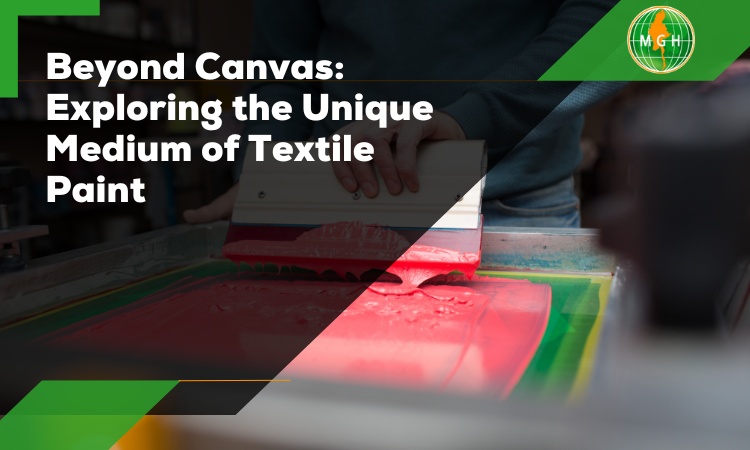
https://mghdistributors.com/threads-of-innovation-how-textiles-revolutionized-technology-trade-and-society/feed/ 0
Beyond Threads: Unveiling the World of Textile Manufacturing https://mghdistributors.com/beyond-threads-unveiling-the-world-of-textile-manufacturing/ https://mghdistributors.com/beyond-threads-unveiling-the-world-of-textile-manufacturing/#respond Wed, 27 Dec 2023 05:13:01 +0000 https://mghdistributors.com/?p=20253 Table of Contents Introduction Step into the fascinating world of textile manufacturing as we go beyond the threads and unravel the intricate process behind creating the fabrics we wear every day. Discover the secrets of fabric manufacturers as they weave together innovation, craftsmanship, and sustainability. From fabric suppliers to bamboo clothing manufacturers and denim manufacturers, […]

The post Beyond Threads: Unveiling the World of Textile Manufacturing appeared first on Myanmar Golden Heart.

]]>
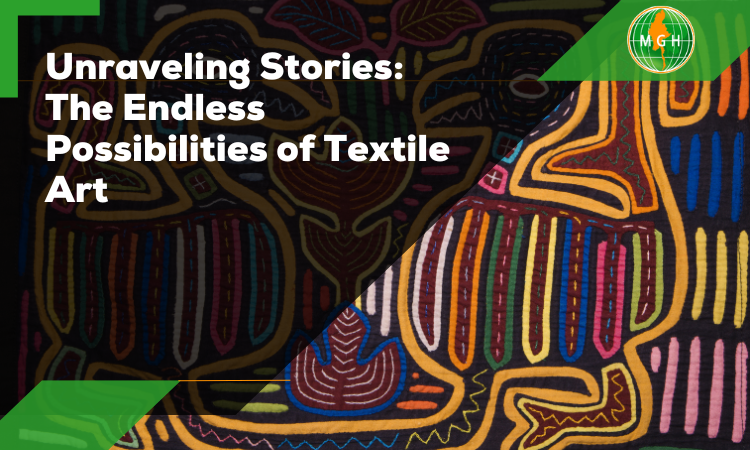
Table of Contents

Introduction

Step into the fascinating world of textile manufacturing as we go beyond the threads and unravel the intricate process behind creating the fabrics we wear every day. Discover the secrets of fabric manufacturers as they weave together innovation, craftsmanship, and sustainability. From fabric suppliers to bamboo clothing manufacturers and denim manufacturers, this blog post explores the dynamic industry that powers our fashion-forward world. Welcome to the captivating journey that lies beneath the surface of your favorite garments.

Warp & Weft: Unraveling the Fundamentals of Fabric

1. Warp & Weft: Unraveling the Fundamentals of Fabric Production

Ever wondered how the vibrant tapestry of fabrics adorning our lives comes into being? The magic lies in the intricate dance of warp and weft, the fundamental pillars of fabric production. Let’s embark on a journey through this textile wonderland, weaving together the threads of knowledge:

  1. The Fiber Symphony: At the heart of every fabric lies a chorus of fibers. Cotton, the ever-reliable mainstay, dances with the luxurious softness of silk, the sturdy strength of denim, and the sustainable allure of bamboo. Each fiber brings its unique melody to the fabric’s composition, influencing its texture, drape, and performance.
  2. Spinning the Yarn: From fluffy bundles to smooth strands, fibers undergo a masterful transformation through the art of spinning. This process stretches, twists, and aligns the fibers, creating the yarn – the building block of fabric. The thickness and twist of the yarn determine the fabric’s weight, breathability, and durability.
  3. Weaving the Web: Now comes the stage where warp and weft take center stage. The warp threads, stretched taut, become the foundation, while the weft threads, woven in and out, create the intricate tapestry. Different weaving techniques, from the simple plain weave to the complex Jacquard patterns, dictate the fabric’s texture, strength, and visual appeal.
  4. Finishing Touches: The raw fabric is just the first act. Finishing processes like dyeing, printing, and coating add the final flourish. Dyes imbue fabrics with vibrant hues, prints add artistic flair, and coatings enhance properties like water resistance or fire retardancy. These finishing touches complete the fabric’s transformation, ready to adorn our world.
  5. Beyond the Basics: The world of fabric production extends far beyond these core principles. Modern technology has introduced innovations like knit fabrics, non-wovens, and performance fabrics, each with unique properties and applications. Understanding these advancements allows textile manufacturers to cater to diverse needs and push the boundaries of fabric possibilities.
The A-to-Z of Textile Manufacturing Processes

2. From Gin to Garment: The A-to-Z of Textile Manufacturing Processes

Ever wondered how a fluffy cotton ball transforms into your favorite pair of jeans? The journey from gin (raw cotton) to garment is a fascinating saga, a tapestry woven with intricate steps and meticulous attention to detail. Let’s unravel this process, letter by letter:

A – Arrival: The journey begins with bales of gin arriving at the textile mill. These fluffy bundles are sorted, graded for quality, and meticulously weighed.

B – Baling & Blending: Gin undergoes a baling process to loosen its fibers and prepare it for blending. Different types of cotton, or even other natural or synthetic fibers, are often blended to achieve specific fabric properties.

C – Carding & Combing: Carding machines transform the fluffy mass into fine, aligned fibers, removing impurities and short strands. Combing further refines the fibers, creating a smoother, more uniform sliver called “roving.”

D – Drawing & Doubling: The roving is drawn and doubled, stretching and aligning the fibers further, creating a thicker, stronger strand called “yarn.” The thickness and twist of the yarn will determine the final fabric’s weight and texture.

E – Spinning: The yarn takes shape on spinning machines, where the drawn and doubled roving is twisted and wound onto bobbins. This intricate dance of stretching and twisting creates the yarn’s final strength and structure.

F – Weaving/Knitting: Now comes the magic of fabric formation. Yarns are woven on looms, interlacing warp (vertical) and weft (horizontal) threads to create the fabric’s structure. Knitting, with its looped stitches, offers another distinct fabric construction.

G – Greige & Finishing: The woven or knitted fabric, still in its natural, unbleached state, is called “greige.” This fabric undergoes a series of finishing processes like bleaching, dyeing, printing, and coating, adding color, patterns, and functional properties like water resistance or fire retardancy.

H – Inspection & Quality Control: Every step is meticulously inspected throughout the process, ensuring fabric quality and consistency. Rigorous testing guarantees adherence to specific standards and customer specifications.

I – Cutting & Sewing: The finished fabric is cut into panels according to garment patterns. Skilled seamstresses stitch these panels together, using specialized techniques to create the final garment form.

J – Embellishment & Trims: Buttons, zippers, labels, and other embellishments are added to complete the garment, adding functionality and aesthetic appeal.

K – Packing & Shipping: The finished garment is meticulously inspected, folded, and packed for shipping, ready to embark on its journey to store shelves or customer doorsteps.

L – Label to Life: From gin to garment, each step is a testament to human ingenuity and technological advancement. So, the next time you slip on your favorite shirt, remember the incredible journey it has taken, a story woven into every thread.

Selecting the Perfect Fibers for Your Fabric

3. Yarn Choices & Beyond: Selecting the Perfect Fibers for Your Fabric

In the vibrant tapestry of fabric creation, the choice of yarns is the first brushstroke, setting the tone for the final masterpiece. But with a dizzying array of natural and synthetic fibers at your fingertips, choosing the perfect ones can feel like navigating a textile maze. Fear not, fabric designers and manufacturers! Let’s unravel the secrets of yarn selection and weave the ideal fabric for your vision.

  1. Know Your Needs: Before diving into the fiber buffet, consider the fabric’s purpose and desired characteristics. Will it be a lightweight, breathable summer dress? Or a sturdy, weather-resistant jacket? Identifying the end-use will guide you towards fibers that excel in specific areas like strength, comfort, or drape.
  2. Natural Allure: For those seeking comfort and sustainability, natural fibers like cotton, linen, and bamboo offer a soft touch and eco-friendly appeal. Cotton is a perennial favorite, known for its breathability and versatility, while linen adds a luxurious drape and natural antibacterial properties. Bamboo, the rising star, boasts amazing softness, moisture-wicking abilities, and a sustainable edge.
  3. Synthetic Strength: Don’t underestimate the power of synthetics! Polyester, nylon, and acrylic offer unmatched durability, wrinkle resistance, and weatherproofing. Blending them with natural fibers creates fabrics that retain their shape, resist stains, and perform flawlessly in demanding conditions.
  4. Performance Powerhouse: For activewear or specialized applications, seek out high-tech fibers like spandex for elasticity, Cool Max for moisture management, or fire-retardant fibers for safety. These performance-driven yarns add a specific functionality that elevates the fabric’s capabilities.
  5. Blending Harmony: Don’t be afraid to mix and match! Blending different natural and synthetic fibers can create fabrics that combine the best of both worlds. Cotton and polyester blends offer wrinkle-resistant comfort, while wool and nylon blends provide warmth and durability. Experimenting with blends unlocks a wider range of possibilities.
  6. 6. Sustainability Spotlight: In today’s eco-conscious world, choosing sustainable fibers is more than just a trend, it’s a responsibility. Opt for organic cotton, recycled polyester, or bamboo for a guilt-free conscience and a fabric that’s gentle on the planet.
Exploring Cutting-Edge Technologies in Fabric Making

4. Weaving Innovation: Exploring Cutting-Edge Technologies in Fabric Making

The world of fabric is no longer confined to traditional looms and age-old techniques. Innovation is weaving a vibrant new tapestry, transforming the textile industry with cutting-edge technologies that redefine comfort, performance, and sustainability. Let’s peek into this futuristic loom and explore some game-changing advancements:

  1. Nano-Revolution: Tiny particles, big impact! Nanotechnology is weaving its magic into fabrics with self-cleaning properties, enhanced durability, and even stain resistance. Imagine a shirt that repels dirt and spills, or a pair of jeans that never fade. The possibilities are endless!
  2. Digital Threads & Smart Fabrics: Weaving with digital threads is no longer science fiction. Embedded sensors and microchips transform fabrics into smart textiles that monitor your health, adjust temperature, and even interact with your environment. Imagine a dress that adapts to your body temperature for ultimate comfort, or a jacket that charges your phone with its kinetic energy. The future of wearable technology is literally woven into the fabric!
  3. 3D Weaving & Beyond Flatness: Say goodbye to limitations! 3D weaving technology allows for the creation of complex, three-dimensional structures, opening up a whole new realm of possibilities for medical implants, protective gear, and even architectural applications. Imagine a prosthetic limb woven with intricate muscle-like structures, or a building façade that self-regulates temperature and light. The future of fabric is no longer flat, it’s taking shape in 3D!
  4. Bio-fabrication & Nature’s Alchemy: Nature is the ultimate innovator, and the textile industry is taking notice. Bio-fabrication harnesses the power of microbes and fungi to create sustainable fabrics from organic materials like cellulose and algae. Imagine a jacket grown from mushrooms, or a dress woven from spider silk. The future of fabric is taking a page from nature’s playbook, with sustainability at its core.
  5. Customization & Personalization: No more off-the-rack solutions! Advances in digital printing and laser cutting allow for on-demand customization, catering to individual preferences and body shapes. Imagine ordering a shirt with your unique design printed on it, or jeans perfectly tailored to your measurements. The future of fabric is bespoke, embracing individuality and self-expression.
unveiling the Diverse Fabric Landscape

5. More Than Cotton: Unveiling the Diverse Fabric Landscape

Cotton, the undisputed king of comfort, has reigned supreme in our wardrobes for centuries. But the textile kingdom is far richer, teeming with diverse fabrics, each with its own unique story to tell. So, let’s dethrone the cotton monopoly and embark on a journey to explore the vibrant tapestry of fabric possibilities!

  1. Silky Splendor: Step into luxury with silk, the epitome of elegance and softness. Its natural sheen and drape make it a fabric fit for royalty, while its breathability and temperature regulation ensure ultimate comfort. From delicate scarves to opulent gowns, silk adds a touch of timeless sophistication to any outfit.
  2. Linen’s Cool Embrace: Escape the summer heat with linen, the natural champion of breathability and coolness. Its loosely woven structure allows air to circulate freely, making it ideal for breezy summer dresses and relaxed shirts. Linen’s natural antibacterial properties and eco-friendly credentials add to its charm.
  3. Bamboo’s Sustainable Touch: Embrace the eco-conscious choice with bamboo fabric, a rising star in the sustainable textile industry. Soft as silk, yet stronger than cotton, bamboo boasts excellent moisture-wicking properties and a natural antibacterial edge. From activewear to cozy loungewear, bamboo offers comfort and sustainability in one beautiful package.
  4. Denim’s Rugged Rebellion: Denim, the fabric of cowboys and rebels, has transcended its rugged roots to become a fashion staple. Its timeless appeal lies in its durability, versatility, and ability to conform to individual styles. From classic jeans to edgy jackets, denim offers a canvas for self-expression and a touch of timeless coolness.
  5. Performance Powerhouses: Beyond comfort and aesthetics lies a world of high-performance fabrics. Polyester and nylon offer unmatched wrinkle resistance and weatherproofing, while spandex adds elasticity for activewear. These fabrics push the boundaries of functionality, ensuring peak performance in demanding situations.
  6. Blending Harmony: Don’t limit yourself to single fibers! Blending different fabrics creates unique combinations that combine their best qualities. Cotton and polyester blends offer wrinkle-free comfort, while wool and nylon blends provide warmth and durability. Experimenting with blends unlocks a wider range of possibilities for your fabric creations.

6. Sustainability Spotlight: Eco-Friendly Fabrics for a Greener Future

The fashion industry, while captivating our senses with vibrant colors and trendy designs, often casts a long shadow of environmental concerns. But a green revolution is weaving its way through the textile landscape, with eco-friendly fabrics emerging as the threads of a sustainable future. Let’s shine a spotlight on some of these fabric heroes, champions of both style and sustainability:

  1. Organic Cotton: The king of comfort gets a green makeover! Organic cotton, grown without harmful pesticides or synthetic fertilizers, minimizes environmental impact while ensuring the same soft touch and breathability we love. From t-shirts to jeans, organic cotton offers a guilt-free comfort zone for your wardrobe.
  2. Recycled Polyester: Don’t send plastic bottles to the landfill, turn them into fabulous fabrics! Recycled polyester, woven from post-consumer waste, gives a second life to plastic while reducing reliance on virgin materials. From activewear to swimwear, recycled polyester offers performance and sustainability in one stylish package.
  3. Hemp’s Humble Heroism: Don’t underestimate the power of hemp! This versatile plant requires minimal water, grows quickly, and absorbs carbon dioxide, making it a champion for the environment. Hemp fabrics are naturally strong, breathable, and even have antibacterial properties. From jeans to jackets, hemp offers durability and sustainability in equal measure.
  4. Tencel’s Sustainable Symphony: Born from wood pulp, Tencel™ is a fabric that sings a sweet melody for the planet. Its closed-loop production process minimizes water and chemical usage, while its smooth texture and natural drape make it a luxurious alternative to traditional materials. From dresses to bedding, Tencel™ offers comfort with a conscience.
  5.  Bamboo’s Blushing Beauty: Soft as silk, strong as bamboo, this sustainable superstar is taking the fashion world by storm. Bamboo fabric grows quickly without pesticides, requires minimal water, and biodegrades readily. Its natural antibacterial properties and moisture-wicking abilities make it ideal for activewear and loungewear alike. From socks to shirts, bamboo whispers comfort and sustainability in every fiber.
Ensuring Transparency in the Textile Chain

7. Ethical Sourcing & Fair Trade: Ensuring Transparency in the Textile Chain

The vibrant tapestry of our wardrobes often hides a darker side – a tangled web of unethical practices and unfair labor conditions lurking within the textile supply chain. But a wave of conscious consumers and ethical manufacturers is shedding light on these shadows, weaving a brighter future with threads of transparency and fair trade. Let’s unravel the importance of ethical sourcing and fair trade in the textile industry:

  1. Unmasking the Hidden Costs: The true price of a garment often goes beyond the tag. Cheap clothes often come at the expense of human well-being and environmental degradation. Child labor, unsafe working conditions, and unfair wages are just some of the dark secrets hidden in opaque supply chains.
  2. Ethical Sourcing: A Beacon of Change: Choosing ethically sourced fabrics means choosing suppliers who prioritize fair labor practices, environmental sustainability, and transparency. Look for certifications like Fair Trade or GOTS (Global Organic Textile Standard) to ensure your fabrics are woven with ethical values.
  3. Fair Trade: Empowering the Hands that Weave: Fair trade practices go beyond just sourcing. It’s about building partnerships with farmers and workers, ensuring fair wages, safe working conditions, and community development. By supporting fair trade initiatives, you empower the hands that weave your clothes, giving them a voice and a rightful share in the value chain.
  4. Transparency: Shining a Light on the Shadows: Opacity fuels unethical practices. Demanding transparency from your clothing brands and fabric suppliers is crucial. Ask questions about their sourcing practices, labor standards, and environmental policies. Knowledge is power, and informed consumers can drive positive change.
  5. Beyond Certifications: Building Conscious Consumerism: Don’t rely solely on certifications. Research brands, engage with them, and seek out those who actively promote ethical practices and fair trade initiatives. Your purchasing power can be a powerful tool for change, guiding the industry towards a more responsible future.

8. From Mill to Market: Understanding the Textile Supply Chain & Distribution

The journey of a garment, from a fluffy cotton ball to a stylish shirt on your rack, is a fascinating odyssey through the intricate labyrinth of the textile supply chain. But for most of us, this intricate dance of fibers and fabrics remains a mystery. So, let’s peel back the layers and unveil the captivating journey of a garment, from mill to market:

  1. The Seed of Style: The story begins with the humble seed, be it cotton, flax, hemp, or a blend of natural and synthetic fibers. Farmers cultivate these crops, nurturing them with care until they’re ready for harvest.
  2. Ginning & Baling: The harvested fibers undergo a process called “ginning” to separate the fluffy bolls from the seeds. These fibers are then baled and transported to textile mills, where the magic truly begins.
  3. Spinning a Yarn: At the mill, the fibers are spun into yarn, the building block of fabric. Spinning machines stretch, twist, and align the fibers, creating threads of varying thickness and texture, each destined for a specific purpose.
  4. Weaving the Canvas: The spun yarn then enters the realm of loom or knitting machines. Here, the warp and weft threads interlace, forming the intricate tapestry of fabric. Different weaving techniques and knitting patterns create diverse textures, from the smooth drape of silk to the rugged charm of denim.
  5. Finishing Touches: The raw fabric then undergoes a series of finishing processes like dyeing, printing, and coating. These add color, patterns, and functional properties like water resistance or fire retardancy, transforming the fabric into a functional masterpiece.
  6. Cutting & Stitching: The finished fabric is meticulously cut into panels based on garment patterns. Skilled seamstresses then stitch these panels together, adding buttons, zippers, and embellishments to bring the garment to life.
  7. Quality Control & Inspection: Every step in this journey is subject to rigorous quality control checks. Inspectors ensure every garment meets the desired standards and specifications before it embarks on its next chapter.
  8. Distribution & Warehousing: Now, the journey shifts from the factory floor to the distribution network. Wholesalers and retailers purchase the garments, transporting them to warehouses and finally, to store shelves across the globe.
  9. The Final Act: Market & Consumers: The final stage unfolds in stores and online marketplaces, where the garment awaits its ultimate destination – your wardrobe! Consumers choose the garments that resonate with their style and needs, completing the journey from seed to style statement.
Guaranteeing Excellence in Every Thread

9. Quality Control & Testing: Guaranteeing Excellence in Every Thread

In the vibrant tapestry of textile manufacturing, quality control is not just a thread; it’s the golden ribbon woven into every fabric, ensuring excellence in every meter. It’s the silent guardian standing between a beautiful garment and a dissatisfied customer, the vigilant eye that safeguards the reputation of a brand. Let’s delve into the world of quality control and testing, appreciating the meticulous steps that guarantee your clothes are not just stylish, but also reliable.

  1. From Fiber to Fabric: Even before the first thread is spun, quality control weaves its magic. Fibers are meticulously inspected for impurities, color variations, and strength. This ensures only the finest materials make it to the production line, setting the foundation for a flawless fabric.
  2. Weaving the Watchful Eye: As the yarns dance on the loom, vigilant eyes monitor every thread, ensuring warp and weft interlace flawlessly. Color consistency, pattern accuracy, and fabric weight are meticulously checked, ensuring the final product matches the intended design perfectly.
  3. Finishing Touches, Flawless Results: Dyeing, printing, and coating processes are not just about aesthetics; they’re also crucial quality checkpoints. Colorfastness, adhesion, and dimensional stability are tested rigorously, guaranteeing your clothes retain their vibrancy and shape wash after wash.
  4. Strength in Every Stitch: Seams are the unsung heroes of garments, holding everything together. Quality control ensures seams are strong, even, and free of defects. Rigorous testing for tear strength and stitch integrity guarantees your clothes can withstand the test of time and movement.
  5. Beyond the Garment: Accessories & Trims: Buttons, zippers, and other embellishments are not just decorative; they’re functional elements that need to perform. Quality control scrutinizes their strength, durability, and functionality, ensuring every detail meets the highest standards.
  6. Testing for Performance & Safety: For specialized fabrics, quality control goes beyond aesthetics. Flame retardancy, water resistance, and UV protection are tested in specialized labs, guaranteeing the fabric performs its intended function flawlessly.
  7. The Final Seal of Approval: After rigorous inspections and tests, only garments that meet the stringent quality standards receive the final stamp of approval. This seal of excellence guarantees you’re receiving a product that’s not just beautiful, but also reliable, durable, and safe.

10. Beyond Mass Production: Niche Textile Manufacturing & Customization

For decades, the textile industry hummed to the tune of mass production, churning out generic garments in vast quantities. But the tide is turning, and a new melody is rising: niche textile manufacturing and customization. This shift is not just a trend; it’s a revolution, empowering individuals and brands to break free from cookie-cutter fashion and weave stories of individuality into every thread.

  1. Small Batch Beauty: Niche manufacturers are stepping away from the mega-factories, focusing on smaller, artisanal production. This allows them to experiment with unique blends, innovative dyeing techniques, and eco-friendly practices, creating fabrics that speak a language of authenticity and sustainability. Imagine owning a garment crafted from hand-spun organic cotton, dyed with natural pigments – a one-of-a-kind piece that tells a story of conscious consumption and slow fashion.
  2. Customization Canvas: Mass production doesn’t leave much room for personal expression. But niche manufacturers are embracing customization, offering a blank canvas for individual creativity. From choosing the fabric blend and color to adding personalized prints or embroidery, the possibilities are endless. Imagine designing your own dress with a hand-painted floral motif or a shirt emblazoned with your favorite band’s logo – a wearable expression of your unique identity.
  3. Local & Sustainable: Niche manufacturing often goes hand-in-hand with local sourcing and sustainable practices. This fosters community engagement, reduces environmental impact, and ensures ethical labor conditions. Imagine wearing a garment crafted from locally grown hemp, woven by skilled artisans – a conscious choice that benefits both people and planet.
  4. Collaborative Creation: The beauty of niche manufacturing lies in the collaborative spirit. Designers, manufacturers, and customers work together to create unique pieces that resonate with individual preferences and values. Imagine brainstorming fabric ideas with a local weaver or participating in a community workshop to learn natural dyeing techniques – a collaborative journey that fosters creativity and connection.
  5. Beyond Profit: Niche textile manufacturing is not just about the bottom line; it’s about passion, purpose, and creating meaningful connections. These small businesses often have a deeper commitment to ethical practices, environmental responsibility, and social impact. Imagine supporting a brand that empowers women weavers or uses recycled materials to create beautiful fabrics – your purchase becomes a vote for a more conscious and sustainable future.

Conclusion:

So, dear fabric enthusiasts, venture beyond the threads! Delve into the vibrant world of textile manufacturing, where fibers dance into fabrics, technology fuels innovation, and sustainability weaves a green future. From bamboo’s gentle touch to denim’s rugged spirit, each fabric whispers a story. Choose wisely, wear consciously, and join the chorus of textile appreciation, one thread at a time!

The post Beyond Threads: Unveiling the World of Textile Manufacturing appeared first on Myanmar Golden Heart.

]]>
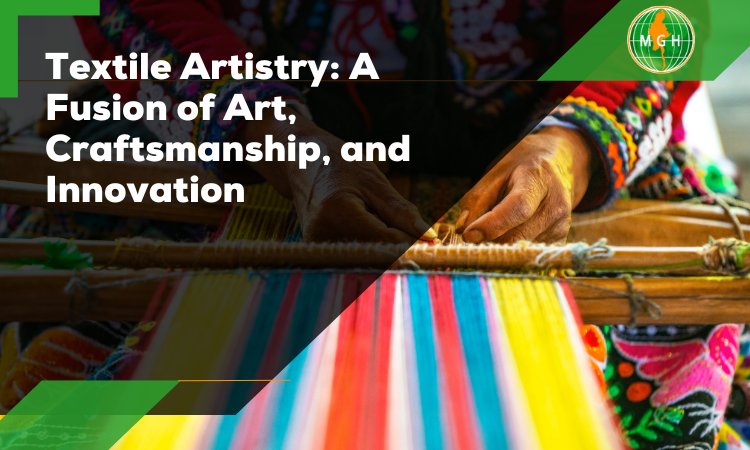
https://mghdistributors.com/beyond-threads-unveiling-the-world-of-textile-manufacturing/feed/ 0
Beyond Basics: Unleashing Your Brand’s Identity with Custom Clothing Manufacturers https://mghdistributors.com/beyond-basics-unleashing-your-brands-identity-with-custom-clothing-manufacturing/ https://mghdistributors.com/beyond-basics-unleashing-your-brands-identity-with-custom-clothing-manufacturing/#respond Fri, 22 Dec 2023 04:51:29 +0000 https://mghdistributors.com/?p=20214 Table of Contents Introduction: Forget cookie-cutter tees and generic uniforms. In today’s saturated clothing market, standing out requires more than just a logo. It demands an identity woven into every thread, a story stitched into every seam. This is where custom clothing manufacturers rise above the ordinary, transforming cloth into a canvas for your brand’s […]

The post Beyond Basics: Unleashing Your Brand’s Identity with Custom Clothing Manufacturers appeared first on Myanmar Golden Heart.

]]>
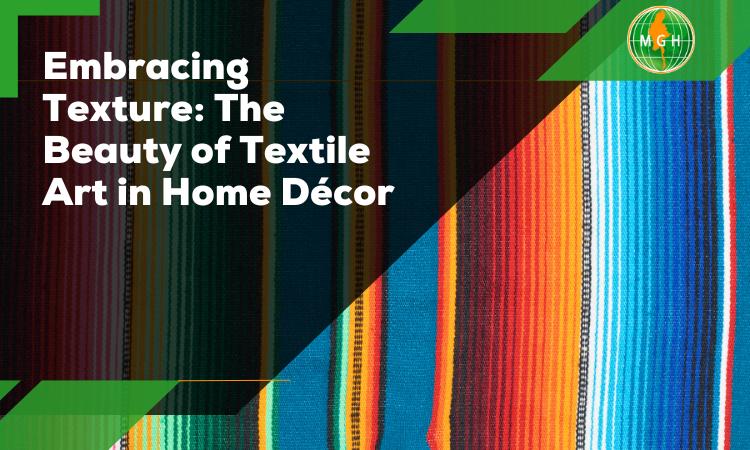
Table of Contents

Introduction:

Forget cookie-cutter tees and generic uniforms. In today’s saturated clothing market, standing out requires more than just a logo. It demands an identity woven into every thread, a story stitched into every seam. This is where custom clothing manufacturers rise above the ordinary, transforming cloth into a canvas for your brand’s unique voice. Whether you’re a seasoned label or a startup bubbling with ideas, unleashing your true essence through bespoke apparel starts right here. So, ditch the one-size-fits-all and dive into the world of custom manufacturing, where your brand’s identity takes center stage, one stitch at a time.

Beyond the Ordinary

Beyond the Ordinary: Injecting Personality into Your Apparel.

The textile industry is a sea of sameness, a vast ocean of logo-emblazoned T-shirts and uniform-inspired basics. But in this sea of beige, there’s a hidden current, a tide of individuality waiting to break the surface. This current is custom manufacturing, a powerful tool for brands and individuals alike to inject personality into their apparel.

Gone are the days of one-size-fits-all. Today’s consumers crave clothes that speak their story, that reflect their unique quirks and passions. Custom manufacturers are the alchemists of this desire, transforming sketches into tangible expressions of self. Imagine your brand’s vibrant logo not just printed on a shirt, but woven into the fabric itself, a subtle yet powerful statement that whispers, “This is me.”

This isn’t just about vanity, though. Custom clothing can be a strategic weapon in a crowded marketplace. A perfectly tailored uniform can elevate your staff to brand ambassadors, walking advertisements that embody your company’s values. A quirky, custom-designed T-shirt can become a viral sensation, organically spreading your message and building a loyal community around your brand.

For startups, custom clothing is a launchpad, a way to stand out from the competition before they even get in the ring. Imagine a startup clothing brand with each garment telling a unique story, each stitch a testament to their passion and dedication. This authenticity resonates with customers, forging a connection that goes beyond just the product.

But personality isn’t just about loud colors and bold patterns. It can be the subtle details, the hidden messages woven into the seams. A custom lining with a motivational quote, a pocket stitched with a personal emblem, these are the tiny touches that make your apparel truly yours, a secret language between you and your customers.

So, cast aside the generic and embrace the extraordinary. Inject your brand’s personality into your apparel, stitch by stitch, thread by thread. Let your clothes tell your story, differentiate you from the masses, and build a community around your unique identity. In the textile industry’s vast ocean, custom manufacturing is your life raft, your ticket to sailing the seas of individuality. Dive in, and let your brand’s personality shine through every stitch.

From Sketch to Stitch manufacturing

From Sketch to Stitch: Bringing Your Vision to Life with Expert Craftsmanship

Have you ever dreamt of a garment, a piece of apparel that embodies your brand’s essence, your unique style, your wildest creative vision? In the whirlwind of the textile industry, where trends come and go faster than a bobbin on a sewing machine, translating that dream into reality can feel like chasing butterflies. But fear not, aspiring fashion pioneers, for there lies an oasis in this sartorial desert: custom clothing manufacturers, the skilled artisans who bridge the gap between your sketch and the finished stitch.

Think of them as your partners in fabric alchemy. They take your napkin doodles, your Pinterest boards overflowing with inspiration, and your whispered desires, and transform them into tangible masterpieces. They understand the language of textiles, the symphony of threads and textures, the subtle dance of cuts and silhouettes. In their hands, your vision isn’t just interpreted, it’s elevated, imbued with their own expertise and meticulous craftsmanship.

For startups, this is a game-changer. No longer are you confined to the limitations of mass-produced garments. You can build a brand identity from the ground up, stitch by stitch. Imagine your logo not just printed, but painstakingly embroidered, each thread a testament to your dedication. Picture your signature color not just dyed, but woven into the very fabric, a permanent reminder of your unique voice.

And for established brands, custom manufacturing is a chance to push boundaries, to break free from the cookie-cutter designs and embrace bold experimentation. It’s a playground for your creativity, where you can explore unconventional fabrics, innovative cuts, and playful details. Imagine a dress that defies gravity, a jacket that tells a story, a uniform that inspires awe.

But it’s not just about the aesthetics. Expert craftsmanship goes beyond the surface. It’s in the meticulous attention to detail, the invisible stitching that whispers of quality, the seams that hold strong, the fabrics that drape like a dream. It’s the knowledge passed down through generations, the pride in every stitch, the unwavering commitment to excellence.

manufacturing

Small Batch Success: How Custom Manufacturing Empowers Startup Clothing Brands

For many aspiring fashion founders, the textile industry can feel like a daunting Goliath. Minimum order quantities that swallow your seed funding, generic designs that fail to capture your brand’s essence, and the endless struggle to stand out in a sea of sameness. But fear not, brave entrepreneurs, for there’s a secret weapon in your arsenal: custom clothing manufacturing.

Forget the mass-produced, one-size-fits-all approach. Custom manufacturing is your David’s sling, allowing you to launch your brand with agility and precision. Imagine crafting bespoke T-shirts in small batches, each one a testament to your unique vision, a limited-edition masterpiece that tells your story and builds fervent anticipation. No more mountains of unsold inventory, just tailored collections that speak directly to your target audience.

But the benefits go beyond just inventory control. Custom manufacturing lets you experiment, to push creative boundaries without breaking the bank. Design a bold, statement piece without the risk of overproduction. Test new fabrics and cuts with minimal investment. This iterative approach allows you to learn from your customers, refine your designs, and build a loyal following, one stitch at a time.

Forget the generic branding packages and cookie-cutter designs. With custom manufacturing, every detail becomes a canvas for your brand identity. Inject your personality into your garments, from subtle logo placements to hidden messages woven into the seams. This creates a sense of exclusivity and community, turning your customers into passionate brand ambassadors.

And for startups bootstrapping their journey, the flexibility of custom manufacturing is a godsend. No more hefty upfront costs for minimum orders. You can start small, scale gradually, and adjust your production based on demand. This nimbleness allows you to respond to market trends, test new ideas, and stay ahead of the curve, all while staying within budget.

cloth manufacturing

Standing Out from the Seams: Ethical and Sustainable Practices for Conscious Clothing.

In the fast-paced world of fashion, where trends flicker like neon lights and piles of discarded clothing fill landfills like silent screams, standing out can feel like a balancing act. But for brands with a conscience, there’s a path less traveled, a way to weave ethics and sustainability into the very fabric of their garments. This is where custom clothing manufacturers who champion conscious practices become your allies, helping you create apparel that sings your brand’s song while harmonizing with the planet.

Imagine a T-shirt that’s not just soft on your skin, but crafted with organic cotton, grown without harmful chemicals and nurturing the earth. Picture a jacket where every stitch whispers of fair labor practices, where workers are treated with dignity and compensated fairly. Envision a dress that not only turns heads but also tells a story of responsible waste management, where scraps are reborn as new creations and resources are cherished.

This is the power of conscious custom manufacturing. It’s about going beyond the surface, beyond the aesthetics, and stitching your values into every garment. It’s about choosing partners who share your commitment to ethical sourcing, sustainable production, and environmental responsibility.

For startups, this is a golden opportunity to differentiate your brand and resonate with a growing segment of consumers who crave conscious clothing. Imagine building a loyal community around your shared values, where each purchase is not just a transaction but a statement of solidarity with a brighter future.

And for established brands, embracing ethical and sustainable practices isn’t just a trend, it’s a necessary evolution. Consumers are demanding transparency, accountability, and a commitment to doing better. Custom manufacturing allows you to showcase your commitment to these values, building trust and loyalty from the ground up.

From manufacturing Fabric to Fanatic

From Fabric to Fanatic: Building Brand Loyalty Through Unique and Memorable Garments

In a world saturated with logos and fleeting trends, building brand loyalty can feel like chasing a fleeting butterfly. But what if your brand wasn’t just a logo on a T-shirt, but a story woven into the very fabric of your garments? Welcome to the world of custom clothing manufacturers, the alchemists who transform cloth into brand fanatics.

Forget the generic, off-the-rack pieces that blend into the background noise. Custom manufacturing allows you to craft garments that resonate with your audience, pieces that become more than just clothing, but badges of belonging, symbols of shared values, and sparks of conversation. Picture a T-shirt with a witty inside joke, a hoodie embroidered with a hidden message, a dress with a pattern that tells your brand’s story. These aren’t just clothes; they’re conversation starters, icebreakers, and magnets for passionate fans.

And the loyalty doesn’t stop at the initial purchase. Custom garments become cherished possessions, passed down through generations, their uniqueness and quality growing stronger with each wear. Imagine a jacket that becomes a family heirloom, a T-shirt worn to every concert, a dress that sparks memories with every touch. These garments become extensions of your brand, living testaments to the emotional connection you’ve forged with your customers.

For startups, this is a game-changer. Custom pieces can be your launchpad, building a community around your brand before you even hit the shelves. Imagine a limited-edition collection that creates anticipation and excitement, each garment a piece of your brand’s story, a collectible that binds your fans closer.

But the benefits extend beyond startups. Established brands can use custom clothing to reinvigorate jaded customers, to break free from tired design formulas, and to create memorable experiences that go beyond traditional marketing. Imagine a pop-up shop where customers co-create their own garments, a fashion show where the clothes tell your brand’s narrative, or a loyalty program where exclusive custom pieces are the ultimate reward.

Quality Stitches, Lasting Impressions: Why Investing in Custom Manufacturing Matters

In the fast-paced world of fashion, where trends flicker like a neon sign and garments fade faster than a summer tan, it’s easy to be seduced by cheap, fleeting trends. But for brands that value longevity and impact, the path to success lies not in mass-produced mediocrity, but in the meticulous craftsmanship of custom manufacturing. Here’s why investing in quality stitches matters, one lasting impression at a time.

Beyond the Buzzword: Quality as a Competitive Advantage

Forget the flimsy seams and questionable materials of fast fashion. Custom manufacturing allows you to choose fabrics that drape like a dream, withstand the test of time, and align with your brand’s values, whether it’s organic cotton for eco-conscious consumers or technical fabrics for performance-driven brands. This commitment to quality becomes your differentiator, a whisper of luxury amidst the noise of mass-produced clothing.

Building Brand Advocacy, Stitch by Stitch

Imagine a customer not just wearing your garment, but living in it. A comfortable, well-made piece becomes a daily companion, a silent ambassador for your brand. Every touch, every wash, reinforces the feeling of quality, building trust and loyalty that transcends fleeting trends. Custom manufacturing allows you to create garments that customers wear with pride, transforming them into walking advertisements for your brand.

A Canvas for Your Story, Not a Logo Billboard

Custom clothing isn’t about plastering your logo on every surface. It’s about subtle details, hidden messages woven into the fabric, and designs that tell your brand’s story without shouting. This depth of storytelling creates a connection that goes beyond the superficial, fostering a community around your shared values and aspirations.

Investment, Not Expense

Yes, custom manufacturing may require an initial investment. But consider it a long-term play, an investment in brand differentiation, customer loyalty, and lasting impact. Lower minimum order quantities make it accessible for startups, while established brands can leverage the flexibility to test new designs and adapt to market trends without the risk of excess inventory.

A Legacy Built on Craftsmanship

In a world of fleeting trends and disposable clothing, custom manufacturing offers a refreshing counterpoint. It’s a commitment to quality, to craftsmanship, to creating garments that stand the test of time and leave a lasting impression. It’s about building a legacy, not just a brand, stitch by stitch, thread by thread.

More Than Just Clothe manufacturing

More Than Just Clothes: Storytelling Through Custom Apparel Design

In a world saturated with logos and mass-produced trends, clothes often fade into the background noise. But what if your garments could do more than just cover your body? What if they could be vessels for stories, woven narratives that resonate with your audience and leave a lasting impression? This is the power of custom apparel design, a transformative art form where threads become the language of your brand’s unique voice.

Forget the generic, cookie-cutter pieces that blend into the crowd. Custom apparel design allows you to craft garments with intention, imbuing them with the essence of your brand’s story. Imagine a T-shirt that doesn’t just display your logo, but subtly hints at your founding values through hidden symbols or playful text. Picture a jacket adorned with intricate embroidery, each stitch whispering a chapter from your brand’s history.

But storytelling goes beyond visuals. Custom fabrics, textures, and even silhouettes can carry emotional weight. Imagine a soft, organic cotton dress that evokes a sense of comfort and connection to nature, or a performance-driven jacket with bold lines that embodies resilience and strength. These carefully chosen elements weave a tapestry of meaning, speaking to your audience on a deeper level.

This storytelling isn’t just for established brands. Startups can leverage custom apparel design to launch with a bang, introducing their narrative and values through unique pieces that spark curiosity and build a community. Imagine a limited-edition collection that tells your brand’s origin story, each garment a collector’s item that binds your early adopters closer.

The possibilities are endless. Custom apparel design can tell stories of social justice, environmental consciousness, or simply the joy of human connection. It can be a platform for artistic expression, a tool for community building, or a silent protest against the homogenization of the textile industry.

So, ditch the one-size-fits-all approach and embrace the power of storytelling through custom apparel design. Let your garments become more than just clothes; let them be living testaments to your brand’s values, whispered narratives that leave a lasting impression on every soul they encounter. In the end, the most powerful threads are woven with intention, purpose, and a sprinkle of magic.

Remember, your clothes are not just what you wear, they are a story you tell. Let custom apparel design help you write your own unique and unforgettable chapter in the tapestry of fashion.

Beyond One-Size-Fits-All: Tailoring Your Clothing to Your Customers' Bodies and Values

In the cacophony of the textile industry, where trends ebb and flow faster than a tide, clothes often become mere whispers lost in the noise. But what if your garments could transcend the mundane, becoming vibrant tapestries woven with your brand’s unique narrative? This is the magic of custom apparel design, where threads become the language of your story, captivating your audience and leaving an indelible mark on their hearts.

Forget the cookie-cutter pieces that blend into the background. Custom apparel design empowers you to craft garments with intention, each stitch a brushstroke in your brand’s artistic portrait. Imagine a T-shirt emblazoned not just with your logo, but with hidden symbols that subtly hint at your founding values, or a hoodie embroidered with a playful message that sparks conversation. These aren’t just clothes; they’re interactive narratives, inviting your audience to engage with your story on a deeper level.

But storytelling goes beyond visuals. Custom fabrics, textures, and even silhouettes can carry emotional weight. Picture a dress crafted from soft, organic cotton, whispering tales of comfort and connection to nature, or a performance-driven jacket with bold lines, embodying resilience and strength. These carefully chosen elements become chapters in your brand’s saga, resonating with your audience on a subconscious level.

This storytelling power isn’t reserved for established brands. Startups can leverage custom apparel design to launch their narrative into the world with a bang. Imagine a limited-edition collection that tells your brand’s origin story through unique pieces, each one a collector’s item that binds your early adopters closer. In a sea of generic offerings, these tailored garments become conversation starters, magnets for passionate fans, and living testaments to your brand’s individuality.

So, ditch the one-size-fits-all approach and embrace the transformative power of custom apparel design. Let your clothes become more than just functional necessities; let them be visual poems, silent protests against the homogenization of the textile industry, and platforms for artistic expression. Let them tell stories of social justice, environmental consciousness, or simply the joy of human connection.

Remember, in the end, the most powerful threads are woven with intention, purpose, and a sprinkle of magic. So, embrace the possibilities, and let your garments become chapters in the captivating narrative of your brand. After all, in the vast tapestry of fashion, the most beautiful stories are those woven with threads of individuality and heart.

Beyond One-Size-Fits-All:

The Future of Fashion: How Custom Clothing is Shaping the Textile Industry

The textile industry, once a behemoth churning out uniform trends, is undergoing a seismic shift. The rise of customization is unraveling the old order, thread by thread, and weaving a new future where individuality reigns supreme. Custom clothing manufacturers, once niche players, are now at the vanguard of this revolution, shaping the very fabric of fashion.

No longer are consumers content with cookie-cutter garments. They crave clothes that tell their stories, reflect their values, and fit like a second skin. This is where custom manufacturing comes in, empowering brands and individuals alike to craft garments as unique as their fingerprints. Imagine a world where a startup can launch with a limited-edition collection, each piece a testament to its founders’ vision, or where a bride walks down the aisle in a dress woven with the threads of her love story.

This shift isn’t just about aesthetics. It’s about sustainability. Mass production often leads to mountains of unsold inventory and environmental waste. Custom manufacturing, with its focus on small batches and on-demand production, minimizes this impact. Imagine a future where clothes are made only when needed, reducing waste and promoting conscious consumption.

Technology plays a crucial role in this sartorial metamorphosis. 3D printing, advanced pattern-making software, and AI-powered design tools are transforming the landscape. Imagine customers creating their own designs on a virtual platform, then seeing them come to life in a matter of days. This democratization of design is putting the power back into the hands of the wearers, making fashion truly inclusive.

But the future of fashion isn’t just about technology. It’s about community. Custom manufacturers are fostering connections between brands and their customers, creating an ecosystem of shared creativity and collaboration. Imagine pop-up workshops where customers co-design garments with artisans, or online forums where ideas and inspiration flow freely.

So, fasten your seatbelts, fashion enthusiasts, because the future is tailor-made. Custom clothing is changing the game, not just for brands, but for the entire textile industry. It’s a future where clothes are more than just fabric; they’re extensions of ourselves, stories woven into every thread, and threads that will continue to shape the future of fashion, one stitch at a time.

From Concept to Closet: A Seamless Journey with the Right Custom Clothing Manufacturer

The textile industry can feel like a labyrinth: overflowing with options, confusing terminology, and the constant worry of whether your vision will translate from napkin sketch to reality. But fear not, aspiring fashion pioneers! With the right custom clothing manufacturer, your journey from concept to closet can be as smooth as a perfectly tailored silk shirt.

Forget the frustrating back-and-forths, the endless sample revisions, and the nagging fear of misunderstandings. The right manufacturer is your partner in fabric alchemy, a skilled translator who transforms your wildest dreams into tangible threads of success. Imagine brainstorming designs with a team that speaks your language, a team that understands the nuances of your brand and translates your vision with meticulous attention to detail.

This seamless journey isn’t just about aesthetics. It’s about efficiency and flexibility. The right manufacturer anticipates your needs, offering guidance on fabric choices, production timelines, and potential challenges before they even arise. Say goodbye to minimum order nightmares and hello to small batch production, allowing you to test your ideas, refine your designs, and adapt to market trends without breaking the bank.

And for startups, this collaborative approach is invaluable. You’re not just another order on a conveyor belt; you’re a partner, a story they’re invested in. Imagine a manufacturer that offers guidance on launching your brand, navigating the complexities of the industry, and ensuring your first steps into the fashion world are confident and successful.

But the magic doesn’t stop at production. The right manufacturer goes the extra mile, offering transparent communication, timely updates, and proactive problem-solving. Imagine receiving regular progress reports, knowing exactly where your garments are in the process, and having a dedicated team member ready to address any concerns you might have.

So, ditch the stress and embrace the joy of collaboration. Choose a custom clothing manufacturer that sees your vision, understands your values, and walks alongside you every step of the way. Remember, the textile industry isn’t just about fabric and thread; it’s about relationships built on trust, creativity, and a shared passion for turning dreams into wearable art. Find the right partner, and your journey from concept to closet will be as smooth and satisfying as slipping into a perfectly tailored garment, ready to take on the world with confidence and style.

Conclusion:

Ditch the generic, embrace the bespoke. Unleash your brand’s story with custom clothing manufacturers. Stitch your identity, thread by thread, and leave a lasting impression on the world, one garment at a time. The future of fashion awaits, tailor-made for you.

The post Beyond Basics: Unleashing Your Brand’s Identity with Custom Clothing Manufacturers appeared first on Myanmar Golden Heart.

]]>
https://mghdistributors.com/beyond-basics-unleashing-your-brands-identity-with-custom-clothing-manufacturing/feed/ 0
Stepping into the Textile Industry: Essential Information for Aspiring Distributors https://mghdistributors.com/stepping-into-the-textile-industry-essential-information-for-aspiring-distributors/ https://mghdistributors.com/stepping-into-the-textile-industry-essential-information-for-aspiring-distributors/#respond Wed, 13 Dec 2023 04:56:50 +0000 https://mghdistributors.com/?p=20087 Table of Contents INTRODUCTION: Are you an aspiring entrepreneur looking to venture into the textile industry? Look no further. In this blog post, we will provide you with essential information on becoming a successful textile distributor. From custom fabric printing to the rich history of textiles, we’ve got you covered. So grab your notebook and […]

The post Stepping into the Textile Industry: Essential Information for Aspiring Distributors appeared first on Myanmar Golden Heart.

]]>
Notice: file_put_contents(): Write of 1573 bytes failed with errno=122 Disk quota exceeded in /home/mghdistributors/public_html/wp-content/plugins/elementor/core/files/base.php on line 194

Table of Contents

INTRODUCTION:

Are you an aspiring entrepreneur looking to venture into the textile industry? Look no further. In this blog post, we will provide you with essential information on becoming a successful textile distributor. From custom fabric printing to the rich history of textiles, we’ve got you covered. So grab your notebook and let’s dive into the world of textile distributors.

the role of textile

The Role of Textile Distributors: Connecting Manufacturers and Retailers in the Industry

  In the vast and dynamic world of textiles, there exists a crucial link that bridges the gap between manufacturers and retailers – textile distributors. Serving as the connective tissue, textile distributors play a pivotal role in ensuring a smooth flow of fabrics and garments from the production stage to the point of sale.   These distributors act as a vital conduit, helping manufacturers reach a wider audience of retailers while enabling retailers to access a diverse range of quality textiles. This collaboration between manufacturers and retailers is essential for the textile industry to flourish.   One key aspect of the textile distribution process involves providing retailers with access to a diverse array of fabrics. Whether it’s custom fabric printing, textile printing, or even sourcing materials with a rich historical significance, textile distributors are equipped with the knowledge and resources to cater to retailers’ varied needs. By offering a comprehensive selection of fabrics, distributors empower retailers to curate unique and appealing collections for their customers.   Moreover, textile distributors play a vital role in ensuring that manufacturers can focus primarily on production without worrying about the complexities of distribution and logistics. Distributors handle the intricacies of inventory management, warehousing, shipping, and ultimately delivering the products to the retailers. This allows manufacturers to operate more efficiently and dedicate their expertise to the craft of producing high-quality textiles.   The role of textile distributors extends beyond mere logistical support; they also provide invaluable industry insights to both manufacturers and retailers. With their extensive network and deep understanding of market trends, distributors can guide manufacturers in producing fabrics that align with evolving consumer preferences. Similarly, they assist retailers in staying up-to-date with the latest textile offerings, presenting opportunities for growth and innovation in their business.   Overall, textile distributors serve as a crucial link in the textile industry, facilitating collaboration between manufacturers and retailers. Their seamless coordination streamlines the supply chain and ensures that customers have access to a diverse range of high-quality fabrics. With their expertise, industry insights, and commitment to excellence, textile distributors contribute significantly to the growth and success of the entire textile ecosystem. a comprehensive guide for textile industry

A Comprehensive Guide to Successfully Starting a Textile Distribution Business

  Starting a textile distribution business can be an exciting venture for entrepreneurs looking to enter the thriving textile industry. With the demand for custom fabric printing, textile printing, and the rich history of textiles, there has never been a better time to establish yourself as a textile distributor. In this comprehensive guide, we will walk you through the essential steps to launch and grow your business successfully.  
  1. Research and Planning: Begin by conducting thorough market research to understand the current landscape, trends, and potential competition in the textile industry. Identify your target market and develop a comprehensive business plan that outlines your mission, goals, and strategies for success.
 
  1. Establish Relationships with Suppliers: Building strong and reliable partnerships with textile suppliers is crucial. Establishing relationships with suppliers who offer high-quality fabrics, competitive pricing, and a wide variety of options will be key to meeting your customers’ needs.
 
  1. Develop a Multichannel Sales Strategy: Diversify your sales channels by establishing both online and offline platforms. Create a user-friendly website to showcase your product offerings and leverage various e-commerce platforms to reach a broader audience. Additionally, explore opportunities to collaborate with brick-and-mortar stores and attend trade shows to showcase your products.
 
  1. Invest in Marketing and Branding: Develop a strong brand identity that resonates with your target market. Utilize social media, online advertising, content marketing, and search engine optimization techniques to increase brand visibility and attract potential customers.
 
  1. Provide Exceptional Customer Service: Differentiate your textile distribution business by offering exceptional customer service. Promptly address customer queries, ensure timely order fulfillment, and offer flexible return policies to build long-lasting relationships with your customers.
  Starting a textile distribution business requires careful research, strategic planning, and dedication. By following these steps and staying attuned to industry trends, you can position your business for success in the dynamic textile market.   Stay tuned for future sections of this comprehensive guide, where we will delve deeper into each step and provide expert tips to help you overcome challenges and maximize opportunities in the textile distribution industry. fabric printing

Expanding Horizons: Embracing Custom Fabric Printing in Textile Distribution

  The textile industry has undergone significant transformations throughout history, constantly adapting to changing consumer preferences and market demands. In recent years, one particular trend has emerged as a lucrative opportunity for textile distributors: custom fabric printing. With advancements in technology and a growing desire for personalized products, this niche market has opened up a world of possibilities.   Custom fabric printing allows businesses and individuals to unleash their creativity, turning their unique designs into reality. By investing in the necessary equipment and partnering with reliable printing companies, textile distributors can offer an extensive range of options to their clients, catering to their specific needs and tastes. Whether it’s for clothing, home decor, or promotional items, custom fabric printing enables customers to make a statement and stand out from the crowd.   Additionally, embracing custom fabric printing not only expands a textile distributor’s customer base but also boosts its revenue potential. By providing this value-added service, distributors can establish themselves as industry leaders, attracting new clients and building long-lasting relationships. From emerging fashion designers seeking unique prints to businesses looking to enhance their brand identity, the demand for custom fabric printing is on the rise and shows no signs of slowing down.   As with any new venture, textile distributors need to research the market, understand the printing processes involved, and educate themselves on the various fabric options available. By staying informed and keeping abreast of the latest trends, distributors can offer expert advice and guidance to their clients, ensuring their custom fabric printing journey is seamless and successful. 

The Evolution of Textile Printing: From Traditional to Digital Techniques

  Since ancient times, textiles have played a crucial role in human culture. From clothing to interior decor, the art of textile printing has evolved significantly over the years. In this blog section, we will explore the journey of textile printing techniques, from traditional to digital methods, and how it has shaped the industry today.    A Brief History of the Textile Industry and Its Evolution for Distributors Traditionally, textile printing involved techniques like block printing, where wooden blocks were carved with intricate designs and dipped in dye before being pressed onto the fabric. This laborious process required skilled craftsmen and was time-consuming. However, the results were stunning and represented the rich cultural heritage of various civilizations.   With the industrial revolution came advancements in textile printing. The invention of the cotton gin and steam-powered machinery revolutionized the industry, making textile production faster and more accessible. Techniques like screen printing and roller printing gained popularity, allowing for more intricate designs and mass production.   In recent years, the emergence of digital textile printing has revolutionized the industry once again. Using advanced technology, designs can now be directly printed fabric with precision and accuracy. Custom fabric printing has become more accessible, designers the freedom to with unique patterns,, and textures.   printing also offers environmental, as it reduces ink waste compared to traditional methods. It allows for smaller production runs, reducing excess inventory and waste.   As we move forward, the future of textile printing looks promising. With advancements in 3D printing, smart fabrics, and sustainable materials, the industry is set to further evolve and cater to the ever-changing needs of consumers. evolution of textile

 A Brief History of the Textile Industry and Its Evolution for Distributors

The textile industry has a long and fascinating history that spans centuries. From ancient civilizations to modern times, textiles have played a crucial role in human civilization and have evolved significantly over the years. As a distributor in the textile industry, it is essential to understand the roots of this industry to better appreciate its current state and future trends.   The history of textiles can be traced back to as early as 27,000 BCE, during the Stone Age, when prehistoric humans used natural fibers like flax and wool to create basic fabrics. As civilizations developed, so did the techniques for spinning and weaving, leading to the advent of textiles as we know them today.   During the Industrial Revolution in the 18th century, the textile industry underwent a significant transformation. The invention of the flying shuttle and power loom revolutionized fabric production, making it faster and more efficient. This marked the beginning of mass production, and textiles became more accessible to the growing population.   In the 20th century, advancements in technology further revolutionized the textile industry. Innovations such as synthetic fibers, textile printing, and custom fabric printing opened up endless possibilities for creative designs and personalized fabrics. Distributors now have the opportunity to cater to individual preferences and niche markets, allowing for greater customization and specialization.   Looking into the future, the textile industry is poised for even more significant advancements. Sustainable and eco-friendly textiles are gaining popularity, reflecting the growing consciousness of consumers towards the environmental impact of their purchasing decisions. Additionally, smart textiles and wearable technology are expected to drive innovation in the industry, offering enhanced functionality and integration with digital devices.   As a distributor, staying up-to-date with the latest trends and technologies in the textile industry is crucial for success. Understanding the historical roots of this industry provides valuable insights into its evolution and paves the way for predicting future trends. With a keen eye on consumer demand and developments in technology, distributors can capitalize on the ever-changing landscape of the textile industry and build a thriving business. key skills and strategies

Key Skills and Strategies for Textile Distributors to Thrive in a Competitive Market 

1. Expertise in Custom Fabric Printing:

With the growing demand for personalized products, custom fabric printing has become a vital service for textile distributors. Developing expertise in this area, such as understanding different printing techniques, color variations, and fabric types, will give distributors a competitive edge. By offering unique customization options, distributors can attract more customers and differentiate themselves from the competition.

2. Knowledge of Latest Textile Printing Technologies:

Staying informed about the latest advancements in textile printing technologies is crucial for distributors. This knowledge allows them to identify and adopt new printing methods, such as digital printing, sublimation printing, or rotary screen printing, to produce high-quality fabrics efficiently. Keeping up-to-date with emerging technologies empowers distributors to meet customer demands for faster turnaround times, cost-effective printing, and superior print quality.

3. Understanding the Textile Industry’s History and Trends:

Having a comprehensive understanding of the textile industry’s history and the current market trends is essential for success. It enables distributors to identify potential growth opportunities, develop innovative products, and make informed business decisions. By staying updated on the latest fashion and design trends, distributors can align their offerings with customer preferences and gain a competitive advantage in the market.

Implementing Effective Supply Chain Strategies for Textile Distributors

  Navigating challenges in the textile distribution business can be a complex task. With a highly competitive market and ever-evolving customer demands, textile distributors need to stay ahead of the curve to maintain their edge.   One of the key challenges faced by textile distributors is the need to offer customized fabric printing services. In an era where personalization is highly valued, textile distributors must invest in technologies that enable them to offer custom fabric printing solutions. By partnering with reliable printing service providers and leveraging advanced digital printing techniques, distributors can cater to the unique requirements of their customers and stand out in the market.   Additionally, textile distributors face the challenge of keeping up with the latest trends in the textile industry. Staying informed about new printing techniques, fabrics, and designs is crucial to staying competitive. Distributors can overcome this challenge by actively engaging in industry events and trade shows, networking with industry experts, and continuously learning about emerging textile trends. Embracing innovation and adopting sustainable practices in textile production can also help distributors stay relevant in today’s eco-conscious market.   Another significant challenge for textile distributors lies in streamlining their supply chain processes. Maintaining an efficient supply chain is essential for minimizing production lead times, reducing costs, and ensuring timely deliveries. Adopting technologies like warehouse management systems and real-time inventory tracking can enhance supply chain visibility and enable distributors to optimize their operations.

Understanding the Importance of Building Strong Relationships with Textile Manufacturers

  As a distributor in the textile industry, developing strong relationships with manufacturers is crucial for the success of your business. These relationships not only help you secure reliable suppliers but also enable you to provide quality products and services to your customers. In this blog section, we will provide you with the top tips on how to build strong relationships with textile manufacturers, ensuring a competitive edge in the market.

Communicate Your Expectations Clearly

  Effective communication is vital when dealing with manufacturers. Clearly stating your expectations and requirements right from the start is essential for building a strong foundation. This includes specifying the types of textiles you are interested in, required quantities, and delivery timelines. By doing so, you establish a clear understanding with manufacturers, minimizing the chances of miscommunication and ensuring that your partnership starts on the right foot.

Visit Manufacturing Facilities

  Visiting the manufacturing facilities in person can significantly enhance your relationship with textile manufacturers. This firsthand experience allows you to assess their production capabilities, quality control measures, and overall operations. By physically being present, you display a genuine interest in their work and build trust. This also gives you the opportunity to discuss any concerns or changes in requirements face-to-face, fostering a stronger partnership.

Collaborate on Custom Fabric Printing

  Custom fabric printing is rapidly gaining popularity in the textile industry. Collaborating with manufacturers on custom printing projects can help you cater to the unique needs of your customers. By developing a good rapport with manufacturers, you can ensure that your visions for custom fabric printing are effectively translated into reality. Regular communication and feedback during the custom printing process will allow you to maintain the high standards you expect.

Stay Updated on Textile History and Trends

  Demonstrate your expertise and commitment by staying informed about the latest trends and historical aspects of textiles. This knowledge will not only impress manufacturers but also show your dedication to the industry. Stay updated on advancements in textile printing technologies, new fabric materials, and sustainable manufacturing practices. By being knowledgeable, you can engage in meaningful discussions with manufacturers, strengthening your relationship and positioning yourself as a trusted partner.   Building strong relationships with textile manufacturers as a distributor is a long-term investment. By following these top tips, you can foster partnerships that are built on trust, communication, and mutual growth, ensuring success and sustainability in the textile industry.

Embracing Sustainability: A Promising Avenue for Textile Distributors

  As the textile industry continues to evolve, sustainability has emerged as a pivotal concern. With increasing awareness about the environmental impact of textile production, consumers are driving the demand for eco-friendly and ethically-produced fabrics. This paradigm shift presents a unique opportunity for textile distributors to play a crucial role in promoting sustainability and reaping the benefits it offers.   The demand for custom fabric printing has witnessed significant growth in recent years, and sustainable fabric choices are becoming increasingly popular. By partnering with textile manufacturers that prioritize sustainable practices, distributors can align themselves with the evolving market needs. This not only expands their product range but also provides a competitive edge over competitors.   In addition to eco-friendly fabrics, textile distributors can explore innovative techniques like textile printing using organic dyes and water-based inks. These methods significantly reduce the harmful chemical footprint associated with traditional printing processes. By embracing these sustainable approaches, distributors can cater to the growing consumer preference for responsibly printed textiles.   Moreover, understanding the historical context of the textile industry allows distributors to appreciate the importance of sustainability. Throughout history, textile production has had profound social and environmental impacts. By learning from the past, distributors can drive change in a forward-thinking manner and uphold ethical practices in the present.

 The Future of Textile Distribution: Embracing Technology and Innovation for Success

Transforming the Textile Distribution Landscape with Technology

In the rapidly evolving world of textiles, distributors are facing new challenges that require innovative solutions to stay competitive. The key to success lies in embracing technology and leveraging innovation to transform the textile distribution landscape.   Technology is revolutionizing every aspect of the textile industry, from production to distribution. For textile distributors, incorporating advanced systems and digital platforms can streamline operations, improve efficiency, and enhance customer experience.   One area where technology is making a significant impact is in custom fabric printing. With the rise of digital printing, textile distributors can now offer personalized and on-demand printing services, allowing customers to create unique designs tailored to their specific needs. This shift from traditional textile printing methods not only eliminates excess inventory but also reduces waste, making it a sustainable choice for distributors.   Moreover, technology is reshaping the way textile distributors interact with their customers. Online platforms and e-commerce solutions are becoming increasingly popular, providing a seamless shopping experience and enabling distributors to reach a wider audience. Through these platforms, customers can browse catalogs, place orders, and track their shipments, all in one place.   Looking beyond distribution, innovation plays a crucial role in enhancing the overall textile industry. By investing in research and development, textile distributors can collaborate with manufacturers to develop new materials, sourcing techniques, and sustainable practices. This commitment to innovation helps meet the ever-changing demands of customers while promoting sustainability and reducing the industry’s ecological footprint. 

Conclusion: 

Stepping into the textile industry as a distributor requires a deep understanding of the industry’s history and trends. Custom fabric printing and textile printing are key areas that aspiring distributors must focus on. By staying informed and updated about the textile industry, distributors can position themselves for success this dynamic market.

The post Stepping into the Textile Industry: Essential Information for Aspiring Distributors appeared first on Myanmar Golden Heart.

]]>
https://mghdistributors.com/stepping-into-the-textile-industry-essential-information-for-aspiring-distributors/feed/ 0