The post Unveiling the Beauty of Textile Art: Exploring the World of Fabric Creations appeared first on Myanmar Golden Heart.
]]>Notice: file_put_contents(): Write of 8020 bytes failed with errno=122 Disk quota exceeded in /home/mghdistributors/public_html/wp-content/plugins/elementor/core/files/base.php on line 194
Table of Contents
Introduction:
Discovering the Versatility of Textile Products in Contemporary Art. Explore the mesmerizing world of fabric creations, from intricate tapestries and intricately woven rugs to avant-garde textile installations. Learn about the various techniques and tools used in textile art, such as fabric art, textile paint, and embroidery, and how they can transform ordinary fabrics into stunning masterpieces. Experience the enchantment of textile artwork that showcases the harmonious fusion of creativity and craftsmanship.
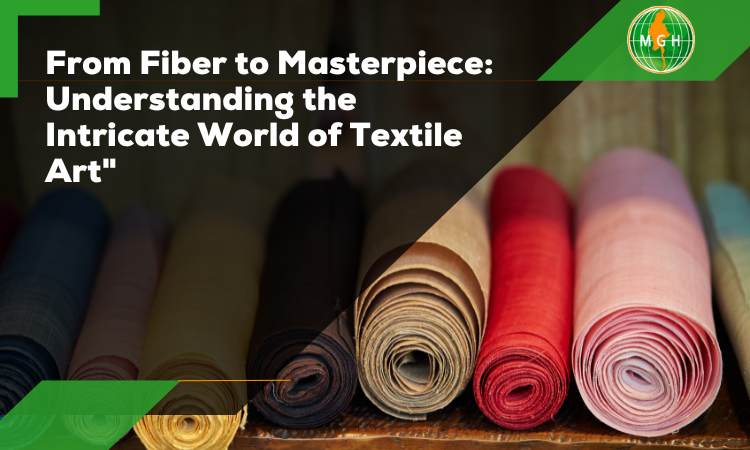
1. From Fiber to Masterpiece: Understanding the Intricate World of Textile Art
Textile art, also known as fabric art, is a captivating form of artistic expression that transforms ordinary fibers into breathtaking masterpieces. Combining techniques such as weaving, embroidery, fabric dyeing, and textile painting, artisans bring to life intricate compositions that showcase both their technical skill and artistic imagination.
One of the distinguishing features of textile art is the diverse range of materials used. Textile artists work with fabrics of various textures, colors, and patterns, carefully selecting each element to enhance the overall aesthetic of their creations. From delicate silk to sturdy linen, every fabric speaks its own language and contributes to the unique narrative woven by the artist’s hand.
The process behind textile art is a meticulous one, requiring immense patience and attention to detail. Starting with a concept or inspiration, artists sketch, plan, and experiment with different techniques and materials to achieve the desired effect. Whether it’s employing traditional weaving methods, using textile paints to create vibrant designs, or incorporating intricate embroidery, textile art seamlessly blends innovation with traditional craftsmanship.
Textile art is not confined to traditional canvas boundaries. It transcends the two-dimensional realm, often taking on three-dimensional forms through quilting, soft sculpture, and fiber installations. The tactile nature of textiles adds a sensory dimension to the viewing experience, encouraging viewers to explore the artwork through touch and embrace its tangible beauty.
As an art form, textile art offers artists a limitless canvas to express their creativity. It allows them to blur the lines between craft and fine art, inviting viewers on a journey of texture, color, and form. Whether it’s a wall hanging, wearable art, or a stunning textile sculpture, textile art captivates and inspires, breathing life into fibers and transforming them into true masterpieces.
2. Unleashing Creativity: A Beginner's Guide to Fabric Art
Understanding Fabric Art
ile art encompasses a wide range of techniques and mediums, making it a diverse and exciting field. traditional hand embroidery to modern fabric painting, there are numerous ways to explore and experiment with textile art. Fabrics such as cotton, silk, and linen serve as the canvas for your creative ideas, offering a tactile and versatile surface to work withSection: Tools and
To embark on your fabric art journey,’s essential to gather the necessary tools and materials. Acquiring a set fine quality fabric paints textile dyes, and brushes will allow to bring your imagination to life. Additionally invest in a variety of fabrics in different and colors to add depth and character to your artworkSection: Exploring Techniques
Experimenting with various techniques is crucial in fabric art. Start by researching and practicing basic techniques like hand sewing, embroidery stitches, and fabric manipulation. As you gain confidence, you can move on to more advanced techniques like block printing oriqué. Remember, creativity is a continuous process, and each exploration will add a unique touch to your textile artwork.
Inspiration and Creativity
Inspiration is the backbone of textile artistry. Look for inspiration in everyday objects, nature, or personal experiences. Explore different art forms, visit galleries, and connect with other artists to expand your creative horizons. Immerse yourself in the world of colors, textures, and patterns, and let your imagination run wild.
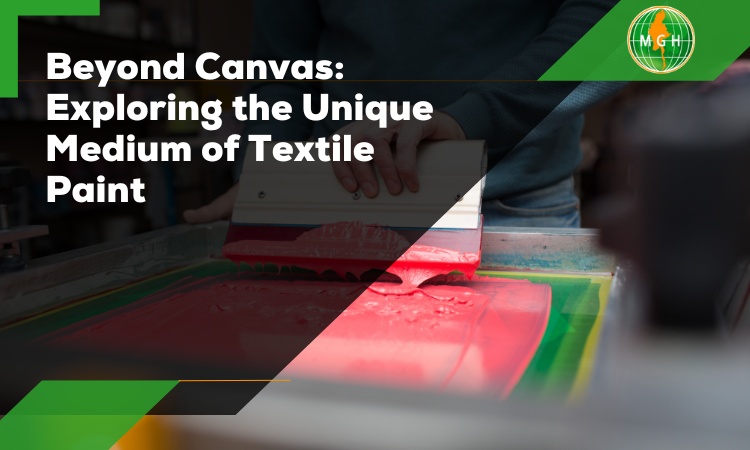
3. Beyond Canvas: Exploring the Unique Medium of Textile Paint
Textile art, often known as fabric art, harnesses the exquisite properties of textiles to create captivating artwork. While traditional paintings frequently adorn canvases, textile artists embrace the versatility of fabrics and employ a distinctive medium known as textile paint. This extraordinary form of expression grants artists the power to combine various techniques and explore unconventional surfaces.
Textile paint, formulated specifically for fabric application, offers a plethora of possibilities to textile artists. With an impressive range of vibrant colors, textile paint allows artists to bring their imagination to life on various textile products. From clothing and home decor items to tapestries and quilts, this unique medium adds a touch of artistic flair to everyday items.
What makes textile art truly remarkable is its tactile nature. Unlike traditional paintings, textile artwork invites viewers to experience the art through touch. Textile paint seamlessly merges with the fabric, enhancing its texture and allowing artists to create dimensional effects that enthrall the senses. By using different brush strokes, layering techniques, and experimental applications, the artists can add depth and intricacy to their creations.
Beyond its visual appeal, textile art represents a profound connection to history and culture. Throughout centuries, different civilizations have employed fabrics as their primary medium of artistic expression. Textile artwork incorporates techniques handed down through generations, such as embroidery, hand-painting, and block printing, preserving traditional craftsmanship while incorporating contemporary influences.
Whether you are an art enthusiast or simply appreciate the beauty of textiles, exploring the world of textile paint opens up a realm of artistic possibilities. From breathtaking wall hangings to wearable art, textile artwork presents a unique and captivating medium that captures both the eyes and the heart.
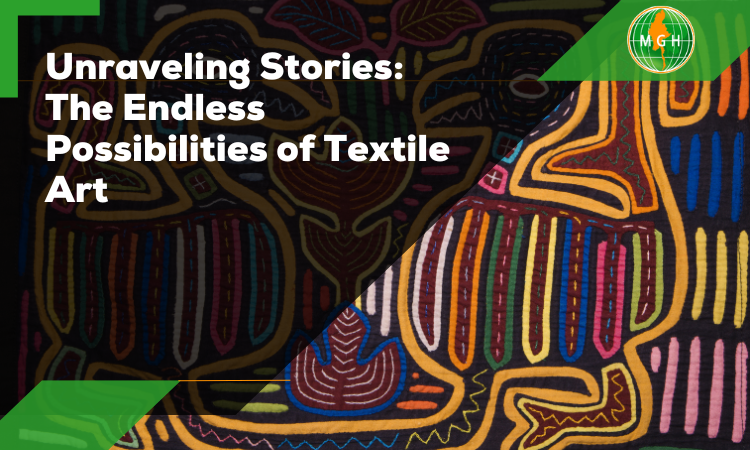
4. Unraveling Stories: The Endless Possibilities of Textile Art
Textile art, also known as fabric art, offers endless possibilities for artistic expression. Utilizing various textile techniques, such as embroidery, quilting, and felting, artists are able to create stunning pieces that captivate viewers and unravel stories within their intricately woven threads.
One of the most fascinating aspects of textile art is the use of textile paint to bring vivid colors and textures to life. Artists can experiment with different types of dyes and paints, allowing them to achieve a wide range of effects and moods in their artwork. Whether it’s bold and vibrant or subtle and delicate, textile art can truly evoke emotions through its visual language.
The versatility of textile art knows no bounds, as artists are not limited to traditional canvases. Everyday objects like clothing, accessories, and even furniture can be transformed into unique works of art through the application of textile techniques. This opens up new avenues for creativity, allowing textile artists to challenge conventions and redefine the boundaries of traditional art forms.
Beyond its aesthetic appeal, textile art also holds deep cultural and historical significance. Many cultures have a rich tradition of textile craftsmanship, with intricate patterns and symbols passed down from generation to generation. By incorporating these elements into their artwork, artists not only pay homage to their heritage but also weave narratives that transcend time and connect with people on a profound level.
Textile art is a dynamic and ever-evolving field that continues to push the boundaries of creativity. It offers a platform for artists to explore new materials, experiment with techniques, and tell stories through fabric, thread, and color. Whether it’s a thought-provoking tapestry, an intricately embroidered garment, or a whimsical fabric sculpture, textile art has the power to engage, inspire, and delight viewers from all walks of life.
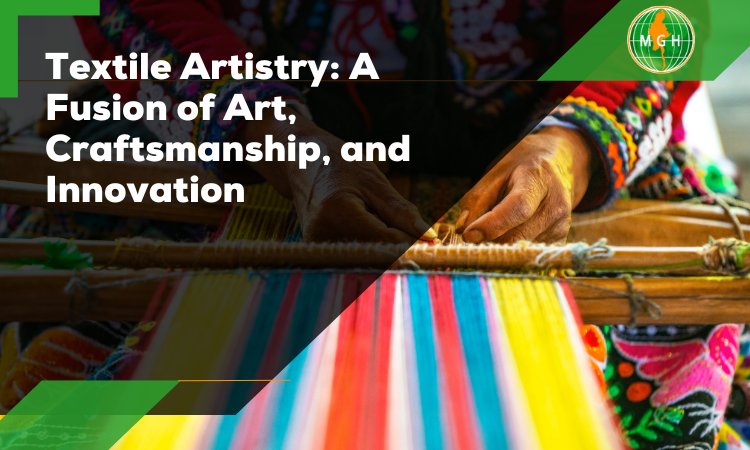
5. Textile Artistry: A Fusion of Art, Craftsmanship, and Innovation
In the realm of artistic expression, the fusion of art, craftsmanship, and innovation is beautifully epitomized by the world of textile art. From exquisite tapestries to contemporary clothing designs, textile art marries creative vision with technical expertise, resulting in stunning visual masterpieces that captivate the senses.
One of the main elements that distinguishes textile art from traditional art forms is the medium itself. Fabric art provides a unique canvas for artists to express their ideas, as different textures, colors, and patterns come together to create a distinct sensory experience. Whether it’s through hand-weaving, quilting, or embroidery, textile artists push the boundaries of traditional techniques, combining age-old craftsmanship with their own unique flair.
Another exciting aspect of textile artistry lies in the realm of innovation. With the advent of modern technology, artists are now able to explore new avenues of creativity and experimentation. The emergence of textile paints and dyes, for example, has allowed artists to create intricate designs on fabric with vivid colors and unparalleled precision. This newfound freedom enables textile artists to breathe life into their creations, transforming simple textiles into breathtaking works of art.
Moreover, textile art has transcended its traditional boundaries, extending its influence to the realms of fashion, interior design, and even fine art galleries. It has become a medium of choice for many contemporary artists seeking to challenge societal norms and blur the lines between art and craft. By incorporating textile elements into non-traditional settings, these artists are pushing the boundaries of creativity and forging new paths of artistic expression.
6. From Traditional to Contemporary: The Evolution of Textile Artwork
Textile art has come a long way, evolving from traditional techniques to a more contemporary and innovative form of expression. Over the years, artists have pushed the boundaries of this medium, experimenting with different materials, techniques, and styles to create stunning textile artwork that captures the imagination.
In the past, textile art primarily referred to the production of functional fabric products such as clothing, tapestries, and quilts. However, as the art world has evolved, so too has the definition of textile art. Today, textile art encompasses a wide range of techniques and materials beyond traditional fabric production.
For instance, artists now explore the use of textile paint to create intricate designs on fabric, merging the worlds of painting and textile art. This innovative approach allows artists to combine different textures, colors, and patterns to create captivating visual narratives.
Moreover, contemporary textile artists often experiment with unconventional materials, such as recycled fabrics or industrial textiles, pushing the boundaries of traditional techniques. This creative exploration gives rise to unique and thought-provoking pieces that challenge our preconceived notions of textile art.
One of the most exciting aspects of the evolution of textile artwork is the blending of traditional and contemporary techniques. Many artists combine traditional stitching methods with modern digital printing or embroidery machines. This fusion of old and new techniques results in visually stunning and conceptually rich artwork that pushes the boundaries of what is possible.
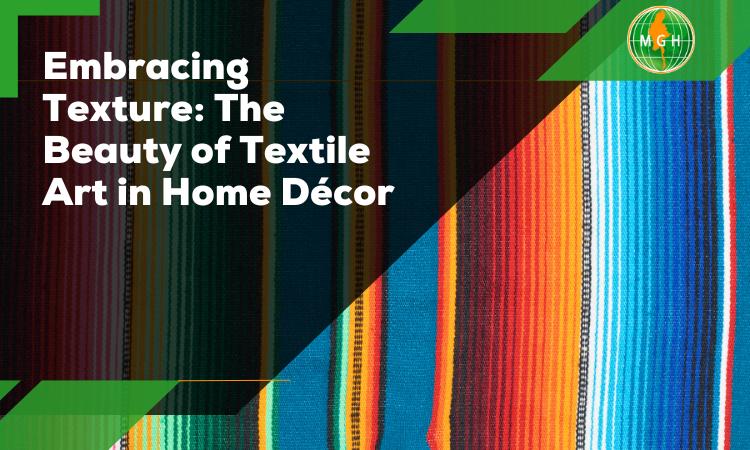
7. Embracing Texture: The Beauty of Textile Art in Home Décor
Forget flat, forget predictable. Step into a world where walls whisper vibrant stories, where tapestries sing vibrant lullabies, and where textures dance beneath your fingertips. This is the world of textile art, a realm where fabric transcends its utilitarian purpose to become a living, breathing element of your home decor.
Gone are the days of sterile white walls and mass-produced prints. Textile art invites you to embrace the tactile symphony of woven stories. Imagine a macrame wall hanging cascading down, its knotted strings catching the light like sunbeams through leaves. Picture a hand-woven tapestry bursting with color, its fibers whispering of ancient traditions and bold palettes. Feel the textured surface of a felted wall sculpture, its gentle curves a soothing balm to the eye.
Textile art transcends mere decoration; it becomes an immersive experience. Each piece invites you to explore its depths, to trace the journey of thread to masterpiece. A piece of fabric art adorned with textile paint becomes a canvas for vibrant narratives, a whisper of the artist’s soul woven into every brushstroke.
But the beauty of textile art lies not just in aesthetics, but in its versatility. Its warmth softens stark lines, its textures add depth to sterile spaces, and its colors inject personality into every corner. A woven throw blanket draped over a chair becomes an instant invitation to cozy comfort, while a hand-stitched cushion transforms a forgotten nook into a haven of creativity.
Whether you’re drawn to the earthy elegance of macrame, the vibrant energy of fabric painting, or the timeless stories woven into traditional tapestries, textile art offers a gateway to a world of possibilities. It’s an invitation to break free from the confines of the ordinary, to embrace the beauty of handmade textures, and to turn your home into a canvas for your own unique story. So, let your fingers explore the tactile symphony of threads, let your walls sing with vibrant textures, and discover the transformative power of embracing the beauty of textile art in your home decor.
8. The Language of Threads: Symbolism and Meaning in Textile Art
Textile art has long been regarded as a powerful medium for self-expression and storytelling. Through the intricate language of threads, artists are able to convey a rich tapestry of symbolism and meaning in their creations. From fabric art to textile paint, the world of textile artwork holds a myriad of possibilities for artists explore.
In textile art, every choice of material, color, and stitch carries its own significance. The choice of fabric can evoke a particular emotion or set the tone for the artwork. For example, silk may suggest delicacy and elegance, while rough burlap can indicate strength and resilience.
Similarly, the colors used in textile art can hold deep symbolic meanings. Blue may represent tranquility and calmness, while red can symbolize passion and energy. By combining different colors harmoniously or contrasting them boldly, textile artists can create a visual language that speaks directly to the viewer.
One of the most fascinating aspects of textile art is the use of stitching techniques. Each stitch can serve as a mark of intention and craftmanship. From delicate embroidery to bold quilting, stitches can create patterns that convey stories and experiences. They can also be used to depict symbolic elements such as flowers, animals, or abstract shapes, further enriching the narrative of the artwork.
Through the language of threads, textile artists are able to communicate personal narratives, cultural heritage, and reflections on society. Whether it’s a wall hanging, a wearable garment, or a sculptural piece, textile art has the ability to captivate and engage viewers on both a visual and emotional level.
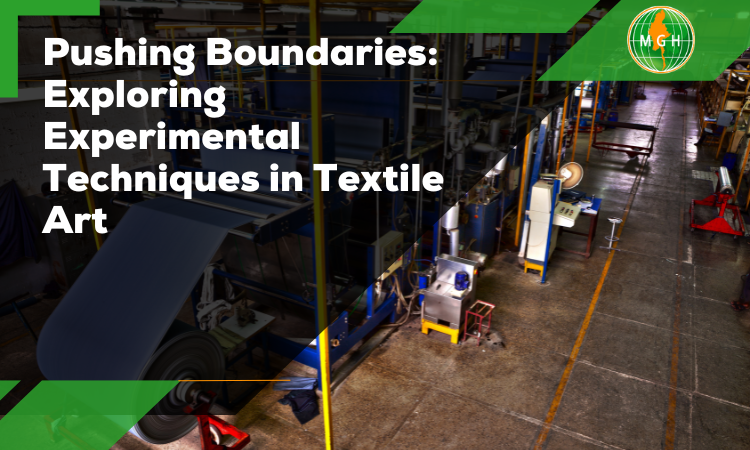
9. Pushing Boundaries: Exploring Experimental Techniques in Textile Art
Textile art has been an integral part of human culture for centuries, with artists continuously pushing boundaries to create captivating and innovative pieces. By combining various fabric manipulation techniques, textile artists bring life to their imagination and transform simple textiles into awe-inspiring works of art. In this blog section, we delve into the realm of experimental techniques in textile art, exploring the immense potential and possibilities they offer.
Fabric art, with its vast array of techniques, serves as a medium for artists to express themselves through textures, colors, and patterns. One such innovative method is textile paint, allowing artists to unleash their creativity onto fabric and showcase their unique perspectives. With a pioneer spirit, textile artists experiment with different types of textile paints, from traditional acrylics to innovative heat-set products, altering the texture and appearance of the fabric to suit their vision.
However, textile art goes beyond just paint and extends into intricate fabric manipulation techniques. Artists explore diverse methods such as hand-stitching, embroidery, quilting, and even unconventional approaches like burning or distressing textiles. These experimental techniques add depth and dimension to the artwork, making each piece a masterpiece in its own right.
Whether it’s creating textile sculptures, quilts, or wearable art, artists continue to push boundaries and pioneer new techniques, blurring the lines between traditional craftsmanship and contemporary art. Textile artwork is evolving, capturing the imaginations of both artists and art enthusiasts alike.
10. Unveiling the Masterminds: Celebrating Influential Textile Artists Throughout History
Discovering the Beauty of Fabric Art
Fabric art, a subcategory of textile art, showcases the versatility of fabrics as a medium for artistic expression. Artists manipulate textiles through techniques such as quilting, appliqué, and embroidery to create stunning works that are both visually striking and emotionally evocative. Exploring the depths of color, texture, and form, fabric art brings life to the seemingly ordinary fabric and transforms it into extraordinary masterpieces.
The Magic of Textile Paint
Textile paint has revolutionized the world of textile art, enabling artists to apply vibrant colors and intricate designs directly onto fabric. This versatile medium has opened up new possibilities for creativity, allowing artists to create wearable art, soft furnishings, and unique pieces that blur the boundaries between art and fashion. By incorporating various techniques, such as hand-painting, stenciling, and screen printing, textile artists breathe life into their creations, leaving a lasting impression on both the art world and fabric enthusiasts.
Unleashing Creativity Through Textile Artwork
Textile artwork encompasses a wide range of techniques and styles, with artists constantly pushing boundaries and experimenting with unconventional materials. From thread and yarn installations to sculptural fabric forms, these innovative creations challenge traditional notions of art-making. Through their imagination and skill, textile artists bring stories to life, communicate messages, and provoke thought, inspiring audiences to view textiles beyond their functional purpose.
Conclusion:
The world of textile art is truly mesmerizing, offering a wide range of fabric creations that showcase the beauty and creativity of skilled artisans. From intricate fabric art pieces to vibrant textile paintings, the possibilities are endless. Whether you’re a connoisseur or a beginner, exploring the realm of textile artwork is a delightful journey that unveils the true wonders of this unique craft.
The post Unveiling the Beauty of Textile Art: Exploring the World of Fabric Creations appeared first on Myanmar Golden Heart.
]]>The post Threads of Innovation: How Textiles Revolutionized Technology, Trade, and Society appeared first on Myanmar Golden Heart.
]]>Notice: file_put_contents(): Write of 5429 bytes failed with errno=122 Disk quota exceeded in /home/mghdistributors/public_html/wp-content/plugins/elementor/core/files/base.php on line 194
Introduction:
Forget steel and silicon – the true revolution lies in threads. Woven into the very fabric of civilization, textiles weren’t just clothing; they were tools, sails, and communication channels. Prepare to unravel the hidden history of innovation, where humble threads propelled technology, reshaped trade, and stitched together societies across continents. Join us on a journey where looms hummed the soundtrack of progress, and a single fiber could change the course of history. Buckle up, textiles enthusiasts – the warp and weft of innovation awaits!
1. Bloodstained Threads: The Human Cost of Fast Fashion
Behind the glossy sheen and trendy cuts of fast fashion lies a dark truth woven in threads of blood and sweat. The relentless pursuit of cheap, ever-changing trends comes at a devastating human cost, one often hidden from the glitz and glam of runway shows and magazine spreads.
In the labyrinthine factories of the global garment industry, where workers toil under harsh conditions for meager wages, the price of a $5 t-shirt becomes tragically clear. Children’s hands, nimble enough for intricate stitching, are forced into labor, their childhood stolen by the insatiable hunger for quick fashion fixes. Adults, under constant pressure to meet impossible production quotas, face unsafe working conditions, wage theft, and even physical abuse.
The human cost extends beyond factory walls. Environmental pollution from textiles production poisons waterways, contaminates soil, and chokes the air. Communities surrounding these factories live under the shadow of toxic fumes and hazardous waste, their health and well-being sacrificed on the altar of fast fashion’s insatiable appetite.
This isn’t simply a distant issue in some developing nation; the threads of this exploitation are intricately woven into our own wardrobes. Every impulse purchase, every discarded trend, fuels this system of human and environmental degradation. We, the consumers, are unwittingly complicit in this tragedy, wearing the bloodstained threads of fast fashion without a second thought.
But the story doesn’t end in darkness. A growing chorus of voices is demanding change, urging a shift towards ethical and sustainable clothing practices. Fair trade initiatives, responsible sourcing, and conscious consumerism are slowly unraveling the knots of exploitation and weaving a new, more humane fabric for the textile world.
It’s time to break free from the fast fashion cycle, to reject the allure of cheap, disposable garments and embrace clothing that reflects our values. Let’s choose quality over quantity, longevity over trends, and ethical sourcing over blind consumption. Only then can we truly wash away the stains of blood and weave a future where fashion doesn’t come at the cost of human suffering.
2. Tangled Skeins: Environmental Exploitation in the Textile Industry
Beneath the vibrant tapestry of the textile world lies a tangled skein of environmental exploitation, a dark undercurrent that threatens to unravel the very fabric of our planet. From cotton fields thirsty for water to synthetic fibers leeching into our oceans, the industry’s footprint paints a grim picture of pollution, resource depletion, and ecological devastation.
Consider the humble cotton boll, a symbol of comfort and purity. Its cultivation, however, guzzles water like a parched desert, leaving behind arid landscapes and depleted aquifers. Pesticides and fertilizers, essential for maximizing yields, poison the soil and contaminate water sources, poisoning not just the land but the very lifeblood of communities.
Synthetic fibers, the darlings of the fast fashion world, offer a deceptive illusion of durability and affordability. Yet, their production relies on fossil fuels, spewing greenhouse gases and contributing to climate change. The microplastics shed from these fibers don’t simply disappear; they contaminate our food chain, poison marine life, and become a permanent resident in our ecosystems.
The textile industry’s impact extends beyond land and water. Chemical dyes, essential for the vibrant hues of our clothes, pollute waterways and leave behind toxic residues. Wastewater from textile factories often goes untreated, releasing a cocktail of chemicals that poison ecosystems and endanger biodiversity.
This tangled skein of environmental exploitation is not simply an abstract concern; it has real and tangible consequences. Communities living near textile factories face health risks from pollution, while the disruption of ecosystems threatens food security and livelihoods. The very resources we depend on, from clean water to healthy soil, are sacrificed on the altar of cheap clothing and fleeting trends.
But amidst this tangled mess, threads of hope emerge. Sustainable farming practices, innovative recycling technologies, and a growing shift towards natural dyes offer glimmers of a cleaner future. Consumers, armed with knowledge and empowered by ethical choices, can demand change from the industry and embrace clothing that reflects their commitment to the planet.
The time for inaction is over. We must unravel the tangled skeins of environmental exploitation and weave a new fabric for the textiles world, one where vibrant colors don’t come at the cost of a polluted planet. Let’s choose conscious consumption, support sustainable practices, and hold the industry accountable for its environmental footprint. Only then can we ensure that the threads of our clothing tell a story of progress, not pollution.
3. Unraveling the Knots of Modern Slavery: Forced Labor in Textile Production
The vibrant tapestry of the textile world, woven with threads of cotton and silk, hides a dark stain – the stain of forced labor. Beyond the fashion shows and glossy magazine spreads, in the shadows of garment factories, lurk individuals trapped in a modern-day slavery. Their hands, nimble and skilled, weave not just clothing but tales of human exploitation.
Forced labor takes many forms in the textile industry. Children, lured by the promise of a better life, are trafficked and forced to work long hours for meager wages, their childhood stolen under the watchful eyes of factory guards. Adults, often migrants desperate for work, face coercion, debt bondage, and physical abuse, their passports confiscated, their freedom stolen.
The consequences are devastating. Exploitation doesn’t just rob individuals of their dignity and freedom; it undermines the entire industry, creating an uneven playing field where ethical businesses struggle to compete with prices built on human suffering. The human cost is immeasurable, with families torn apart, lives shattered, and dreams buried beneath piles of discarded clothes.
This issue isn’t confined to distant lands; it exists within our own globalized supply chains. The t-shirt we wear, the dress for a special occasion – these seemingly ordinary items may hold the invisible threads of forced labor. We, the consumers, are unknowingly complicit in this tragedy, wearing the products of human exploitation without a second thought.
But the fabric of change is already being woven. Ethical brands are leading the way, implementing transparency in their supply chains and partnering with organizations fighting forced labor. Consumers are becoming more aware, demanding information about the origins of their clothes and choosing brands that prioritize ethical practices.
Governments, too, are playing their part, enacting stricter regulations and holding companies accountable for human rights violations. Initiatives like the Fashion Transparency Index are empowering consumers with information about brands’ ethical practices, driving informed purchasing decisions.
The fight against forced labor in the textile world is a complex one, a tangled skein that requires collective action. We, as consumers, can make conscious choices, supporting ethical brands and demanding transparency in supply chains. We can raise awareness, educate others, and advocate for stronger regulations.
Together, we can unravel the threads of forced labor, stitching together a new fabric for the textile world, one where beauty and fashion are not built on the backs of the exploited. Let us wear our clothes with pride, knowing they are woven not just with thread, but with respect for human dignity and freedom.
4. Counterfeit Looms: The Deceitful Side of Textile Trade
In the vibrant tapestry of the textile world, where threads weave stories of culture and commerce, lurk the shadows of deceit – the deceitful threads of counterfeit looms. These clandestine operations, mimicking the hum of legitimate factories, churn out replicas of popular designs, cheaper imitations masquerading as the real deal. But behind the alluring price tags and deceptive labels lies a tangled mess of intellectual property theft, economic sabotage, and environmental damage.
Counterfeiters operate in the twilight zone of legality, skirting copyright laws and quality standards. They replicate brand logos, steal intricate designs, and pass off inferior materials as the genuine article. This not only harms legitimate brands, eroding their market share and reputation, but also deceives consumers, who end up with shoddy products that fall apart at the seams.
The economic impact is far-reaching. Counterfeit looms drain jobs from legitimate manufacturers, impacting livelihoods and crippling local economies. Governments lose vital tax revenue, while consumers are left with a sense of frustration and distrust. The ripple effect echoes through the entire textile ecosystem, threatening the very fabric of sustainable trade and fair competition.
Beyond the economic woes, counterfeit looms cast a dark shadow on the environment. Often operating in unregulated settings, they ignore environmental regulations, spewing toxic dyes and chemicals into waterways and polluting the air. The rush to produce cheap copies comes at the cost of sustainable practices and responsible waste management.
But the story isn’t entirely dark. Technological advancements are empowering brands to fight back. Serialized tags, digital watermarking, and innovative authentication methods are making it harder for counterfeiters to operate in the shadows. Consumers, too, are becoming more aware, demanding transparency and ethical practices from the brands they support.
The fight against counterfeit looms requires a multi-pronged approach. Governments need to strengthen intellectual property protection and enforce regulations more stringently. Brands must invest in robust authentication methods and educate consumers about the dangers of counterfeiting. And we, the consumers, must choose ethical brands, demand transparency, and report suspicious activities.
By shining a light on the deceitful threads of counterfeit looms, we can weave a brighter future for the textile world. Let’s raise our voices, support legitimate brands, and demand ethical practices. Only then can we unravel the web of deceit and ensure that the vibrant tapestry of textiles is woven with threads of integrity and sustainability.
5. Toxic Fabrics: Unmasking the Hidden Chemicals in Our Clothes
In the vast and intricate tapestry of the textile world, it’s essential to unravel the hidden aspects that often escape our attention. This blog aims to shed light on the chemicals lurking within the very fabric of civilization, exploring how textiles, while shaping the world, may also carry concealed concerns.
“The Fabric of Civilization: How Textiles Made the World” is an illuminating exploration of the profound impact textiles have had on human history. However, beneath the beauty and utility of our garments lies a less visible narrative—one involving the presence of hidden chemicals. These substances, often used in the production and finishing processes of textiles, can pose potential risks to both human health and the environment.
As we delve into the fabric of civilization, it becomes crucial to consider the composition of our clothes. From synthetic fibers to conventional cotton, understanding the materials that make up our garments is paramount. Many textiles undergo treatments involving various chemicals, from dyes and finishes to flame retardants, with potential consequences for our well-being.
“The Fabric of Civilization” review extends beyond historical appreciation, urging us to scrutinize the contemporary implications of textile production. Sustainable and eco-friendly practices in the textile industry are gaining momentum, advocating for transparency in the supply chain and the reduction of harmful chemicals.
In the vast and intricate tapestry of the textile world, it’s essential to unravel the hidden aspects that often escape our attention. This blog aims to shed light on the chemicals lurking within the very fabric of civilization, exploring how textiles, while shaping the world, may also carry concealed concerns.
“The Fabric of Civilization: How Textiles Made the World” is an illuminating exploration of the profound impact textiles have had on human history. However, beneath the beauty and utility of our garments lies a less visible narrative—one involving the presence of hidden chemicals. These substances, often used in the production and finishing processes of textiles, can pose potential risks to both human health and the environment.
As we delve into the fabric of civilization, it becomes crucial to consider the composition of our clothes. From synthetic fibers to conventional cotton, understanding the materials that make up our garments is paramount. Many textiles undergo treatments involving various chemicals, from dyes and finishes to flame retardants, with potential consequences for our well-being.
“The Fabric of Civilization” review extends beyond historical appreciation, urging us to scrutinize the contemporary implications of textile production. Sustainable and eco-friendly practices in the textile industry are gaining momentum, advocating for transparency in the supply chain and the reduction of harmful chemicals.
6. Fashion's Dark Past: Unveiling the Exploitative History of the Textile Industry
The alluring world of fashion, with its shimmering runways and aspirational campaigns, often masks a dark secret – a past woven with threads of exploitation and suffering. Beneath the glamorous facade of haute couture and trendy street style lies a history riddled with human rights violations, environmental destruction, and ruthless pursuit of profit at the cost of human lives.
The roots of this exploitation run deep. The colonial era saw brutal forced labor in cotton plantations and sweatshops, where enslaved and indentured workers toiled under inhumane conditions to feed the insatiable appetite for luxury textiles in Europe. The Industrial Revolution, while ushering in technological advancements, also gave birth to factory systems that prioritized production over worker well-being, leading to unsafe working conditions, unfair wages, and child labor.
The exploitation didn’t end there. The 20th century saw the rise of fast fashion, a model built on churning out cheap, disposable clothing at breakneck speeds. This often meant sourcing from countries with lax regulations and low labor costs, leading to modern-day slavery, unsafe factories, and environmental devastation in the pursuit of ever-cheaper clothes.
The environmental consequences are equally grim. Textile production is a major polluter, with water-intensive cotton farming, chemical-laden dyes, and synthetic fibers contributing to water and soil contamination, climate change, and microplastics pollution. The fashion industry’s insatiable hunger for resources leaves behind a trail of environmental degradation and ecological imbalances.
But the story of fashion’s dark past is not one of mere despair. It’s also a story of resilience and resistance. Ethical brands are emerging, championing fair labor practices, sustainable materials, and transparency in their supply chains. Consumers are becoming increasingly aware of the hidden costs of their clothing choices, demanding change and supporting brands that prioritize ethics over profit.
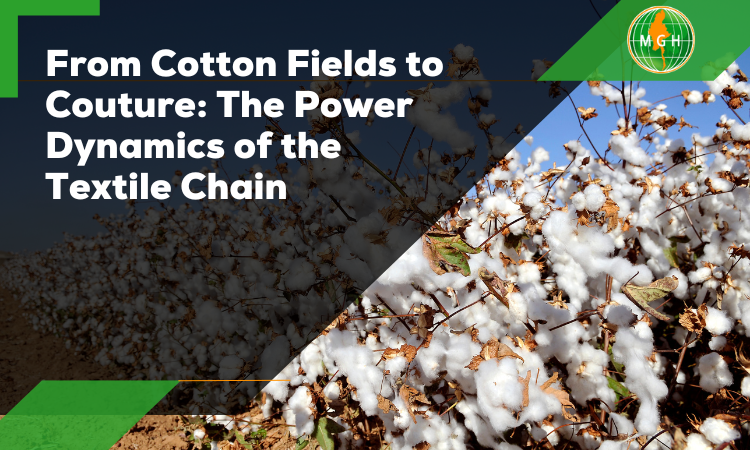
7. From Cotton Fields to Couture: The Power Dynamics of the Textile Chain
Imagine a humble cotton boll, bursting with potential, nestled among endless fields. Its journey, from sun-drenched fields to runway stardom, is a testament to the transformative power of the textile world. It’s a story of human ingenuity, cultural fusion, and the artistry that elevates a simple fiber into a symbol of luxury and expression.
The journey begins in the hands of skilled farmers, tending to the delicate plants, nurturing them with care. The cotton, once harvested, undergoes a meticulous transformation: ginned, spun, and woven, each step a dance between tradition and technology. From the rhythmic clatter of looms to the precise touch of dyers, each stage adds its own unique note to the symphony of creation.
But the magic truly unfolds when the fabric reaches the hands of designers and artisans. Visionaries like Alexander McQueen and Yves Saint Laurent saw not just material, but a canvas for their dreams. Their needles, guided by both imagination and technical expertise, breathe life into the cotton, transforming it into intricate gowns, flowing skirts, and bold expressions of individuality.
The journey doesn’t end with the designer’s vision. Textile artisans around the world, from Indian sari weavers to Moroccan embroidery masters, add their own unique touches. Embellishments, prints, and intricate handwork elevate the fabric further, each stitch a whisper of cultural heritage and personal expression.
Finally, the cotton arrives on the runway, transformed into a masterpiece. Models walk in confidence, showcasing not just the garment, but the entire journey it has taken. From the sun-drenched fields to the designer’s studio, every hand, every stitch, every creative leap has contributed to this moment.
And it’s not just about the final product. The journey from cotton fields to couture reminds us of the interconnectedness of the world. Farmers, designers, artisans, and consumers – we are all part of a vibrant tapestry, each thread contributing to its beauty and complexity.
So, the next time you admire a beautifully crafted garment, remember the journey it has taken. Every stitch tells a story – of human resilience, cultural exchange, and the transformative power of creativity. It’s a story that reminds us that even the most ordinary beginnings can bloom into something extraordinary.
8. Sustainable Threads of Hope: Ethical Alternatives and Eco-Conscious Choices
In the intricate tapestry of the textile world, where “The Fabric of Civilization: How Textiles Made the World” unfolds the historical narrative, there arises a contemporary imperative to weave sustainability into the fabric of civilization. This blog explores how conscientious consumers can embrace ethical alternatives and make eco-conscious choices in the realm of textiles.
As we honor the rich history detailed in “The Fabric of Civilization,” it becomes evident that our choices today impact not only our immediate surroundings but the global environment. Acknowledging the ecological footprint of traditional textile production, consumers are seeking alternatives that align with ethical and sustainable practices.
“The Fabric of Civilization” review serves as a springboard to propel us into a future where sustainable threads of hope abound. Embracing eco-conscious choices involves understanding the materials that constitute our clothing, opting for organic fibers, and supporting brands committed to ethical manufacturing processes.
In this era of heightened environmental awareness, consumers play a pivotal role in shaping the textile world’s sustainable narrative. By choosing quality over quantity, supporting fair trade practices, and embracing circular fashion, individuals can contribute to a more ethical and eco-friendly industry.
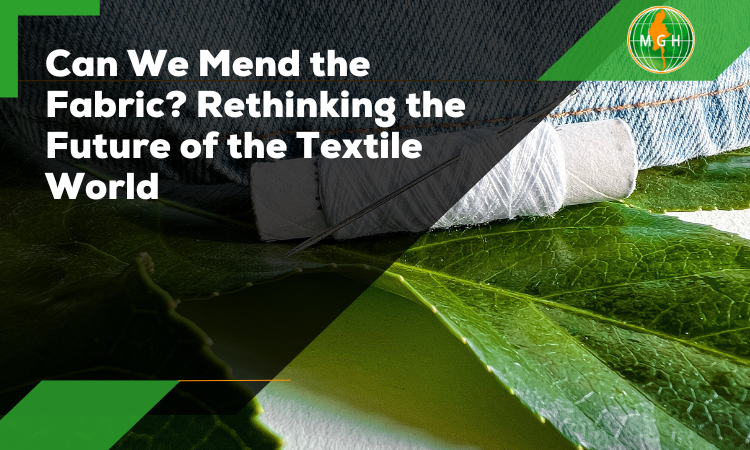
9. Can We Mend the Fabric? Rethinking the Future of the Textile World
The textile world, once a symbol of human ingenuity and cultural exchange, now stands at a crossroads. The threads that have woven our civilization are fraying, stained by environmental exploitation, human rights violations, and unsustainable practices. But amidst the unraveling, there’s a glimmer of hope – the possibility of mending the fabric and weaving a brighter future.
The challenges are daunting. Fast fashion, driven by an insatiable demand for cheap, trendy clothes, has turned our landfills into textile graveyards and polluted our environment with the ghosts of discarded garments. Modern slavery lurks in the shadows of sweatshops, while entire ecosystems are poisoned by the toxic remnants of textile production.
But despair is not an option. The human spirit, the same one that birthed the textile revolution, is rising to meet this challenge. Sustainable innovations are blooming like wildflowers in the arid landscape of the industry. Organic cotton cultivated with care, recycled fibers given a second life, and bio-based dyes are replacing their environmentally destructive counterparts.
Ethical brands are leading the way, prioritizing transparency in their supply chains and fair treatment of workers. Consumers, armed with knowledge and empowered by choice, are demanding change. We’re choosing quality over quantity, supporting brands that prioritize ethics, and embracing conscious consumption.
Policymakers are joining the chorus, enacting stricter regulations and holding businesses accountable for their environmental and social impact. The tide is turning, and the winds of change are blowing through the textile world.
But mending the fabric requires more than just individual efforts. We need a collective tapestry woven from collaboration, innovation, and unwavering commitment. Governments, businesses, and consumers must work together, sharing knowledge, resources, and responsibility.
This is not just an environmental and ethical imperative; it’s an opportunity to redefine fashion itself. By embracing slow fashion, celebrating craftsmanship, and valuing quality over quantity, we can create a future where clothing isn’t just an expression of our individuality, but a symbol of our commitment to a better world.
Can we mend the fabric? The answer is a resounding yes. With collective action, innovative solutions, and unwavering determination, we can rewrite the narrative of the textile world. Let’s weave a future where the threads of beauty, sustainability, and ethical practices are interwoven, creating a tapestry that reflects the values we hold dear. The future of the textile world is in our hands, and it’s time to start mending.
10. A Call to Action: Weaving a More Ethical and Sustainable Textile Landscape
The textile world, once a symbol of human progress, stands at a pivotal moment. The threads that have clothed our civilizations are fraying, stained by exploitation and environmental damage. But amidst the unraveling, a powerful call to action echoes: let’s weave a new textile landscape, one grounded in ethics and sustainability.
This is not a spectator sport; it’s a collective responsibility. We, as customers, have the power of choice.. We can demand transparency from brands, prioritize ethical practices, and choose quality over fast fashion’s fleeting trends. Every purchase, every conscious decision, becomes a stitch in the fabric of change.
But the onus doesn’t rest solely on our shoulders. Businesses must become champions of ethical practices. Fair wages, safe working conditions, and responsible sourcing are not mere luxuries; they are the cornerstones of a sustainable future. Transparency must be embraced, supply chains become clear, and the human cost of clothing finally acknowledged.
Governments must act as weavers, crafting policies that incentivize ethical practices and hold corporations accountable for their environmental and social impact. Stringent regulations, coupled with robust enforcement, can be the warp and weft of a fairer textile world.
Academia and research institutions hold the key to innovation. Biodegradable materials, closed-loop production systems, and efficient waste management are threads waiting to be woven into the fabric of a sustainable future. Collaboration between researchers, businesses, and policymakers can unlock the potential of these innovations and bring them to scale.
This call to action is not just about clothes; it’s about our values. It’s about demanding a world where human dignity and environmental well-being are not sacrificed for the sake of cheap fashion. It’s about recognizing that our clothing choices have consequences, and it’s our responsibility to ensure those consequences are positive.
So, let’s rise to the challenge, together. Let’s pick up the needles of awareness, the threads of ethical practices, and the loom of collective action. Let’s weave a textile landscape where beauty and sustainability are not mutually exclusive, where human rights are respected, and where the clothes we wear are a testament to our commitment to a better future.
Conclusion:
From sails that conquered oceans to threads that wove empires, textiles weren’t just clothes – they were catalysts. They ignited technological advancements, fueled global trade, and stitched together societies. Today, their legacy lives on, urging us to weave a future where innovation respects the threads of humanity and nature. Let’s embrace the revolutionary spirit of textiles, and continue to write new chapters in the grand tapestry of civilization.
The post Threads of Innovation: How Textiles Revolutionized Technology, Trade, and Society appeared first on Myanmar Golden Heart.
]]>